

Artificial Intelligence is redefining the pace and possibilities of modern technology, and its influence within the crypto ecosystem continues to accelerate. Blockchain projects are increasingly embedding AI into their core architectures, giving rise to AI-driven tokens that support platforms where machine learning and decentralized networks work in tandem. This convergence is enabling smarter automation, deeper data insights, and more adaptive on-chain activity.
As demand rises for systems that can analyse information, make decisions, and operate with minimal human input, AI-powered crypto tokens are drawing growing interest from developers and investors alike. Sitting at the crossroads of two powerful technological shifts, these assets point toward a more intelligent, efficient, and self-evolving Web3 environment.
Entering 2026, this fusion of AI and crypto is moving from experimentation to real-world application, setting the stage for the next phase of blockchain innovation. Here are five leading AI-based tokens that highlight the momentum and potential of this rapidly emerging segment of the digital asset space.
Read more: Crypto Investing vs. Crypto Trading
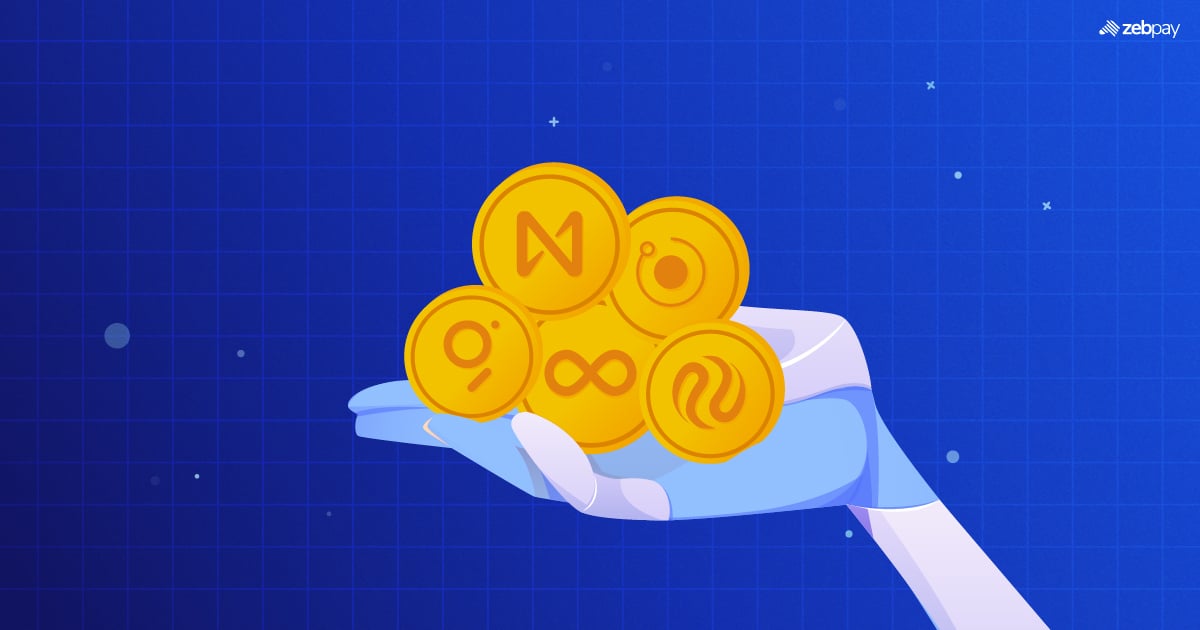
Snapshot of the Trending AI Crypto Coins
| Coin Name | Current Price | Market Capitalization | 24-Hour Volume |
| Near Protocol | $1.67 | $2.16 billion | $192.36 million |
| Internet Computer | $3.11 | $1.70 billion | $77.75 million |
| Render | $2.11 | $1.09 billion | $107.78 million |
| Bittensor | $271.20 | $2.86 billion | $182.81 million |
| The Graph | $0.03971 | $423.90 million | $20.79 million |
Also Read: Top 10 Free Crypto Mining Apps in India for 2026
Near Protocol (NEAR)
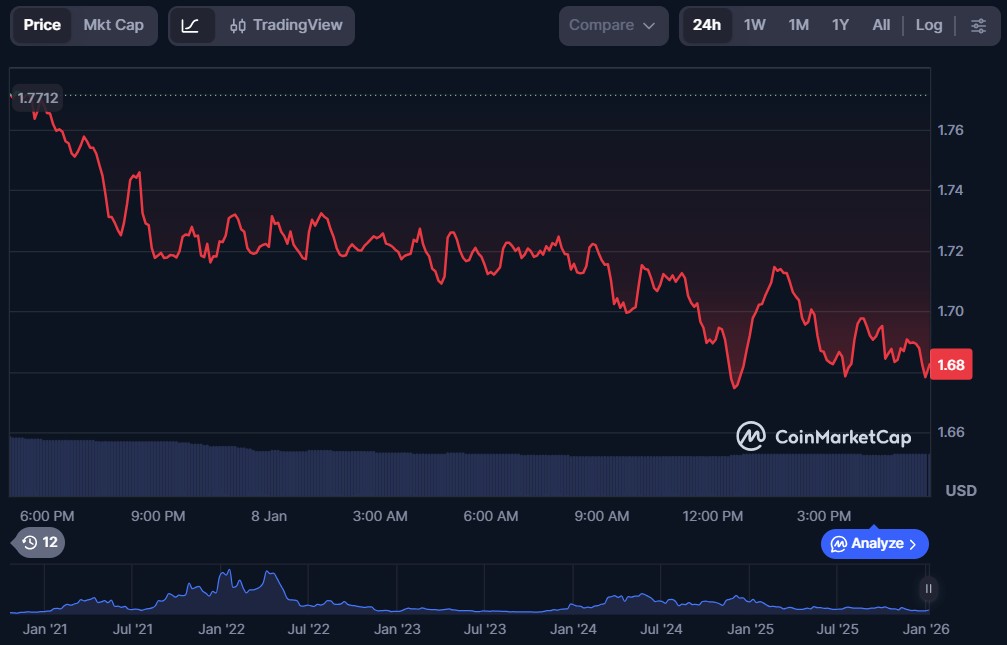
Near Protocol focuses on incentivising a network of computers to operate a platform for developers to create and launch decentralised applications. It uses the process of sharding to split the network’s infrastructure into segments for nodes to only have to handle a fraction of the network’s transactions. Sharding is expected to be more efficient and requires less computing power.
Near Protocol works similar to other cloud companies like Amazon Web Services, over which other applications can be built. But unlike legacy solutions where there is a single entity, NEAR is operated and maintained by a distributed network of computers.
Read more: What is Near Protocol (NEAR)
Internet Computer (ICP)
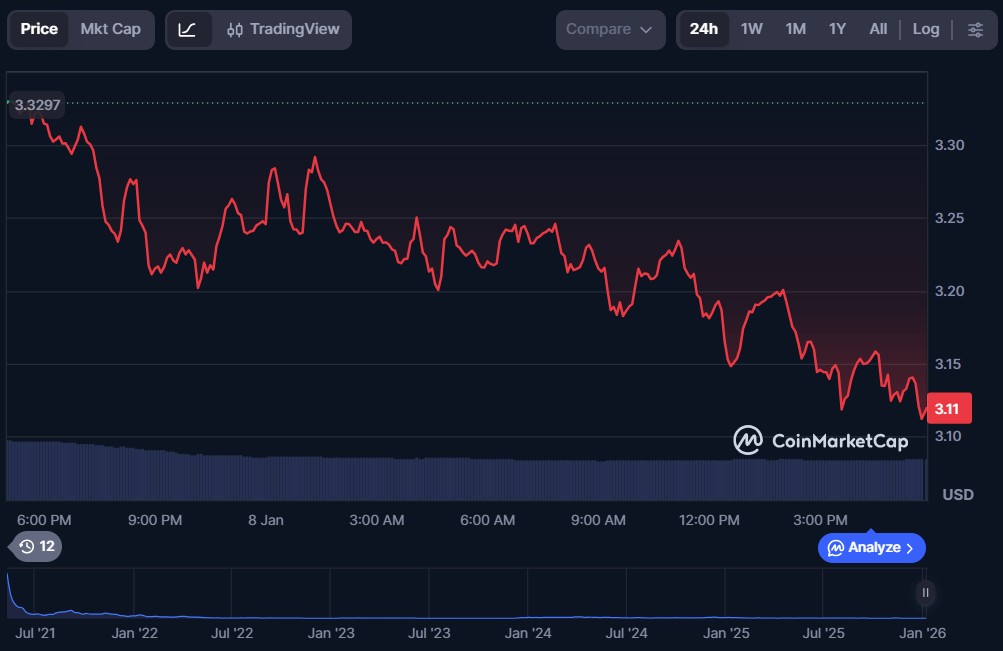
Internet Computer (ICP)protocol gives us the power of limitless smart contracts to host data, computing, user experience and content, on-chain. It allows us to build tamperproof Web 3 social media, enterprise infrastructure, gaming and virtual reality. Internet Computer (ICP) gives full-stack decentralisation and multi-chain options. It focuses on scalability and utility with a low carbon footprint. It is committed to build greentech Web3 solutions.
Render (RENDER)
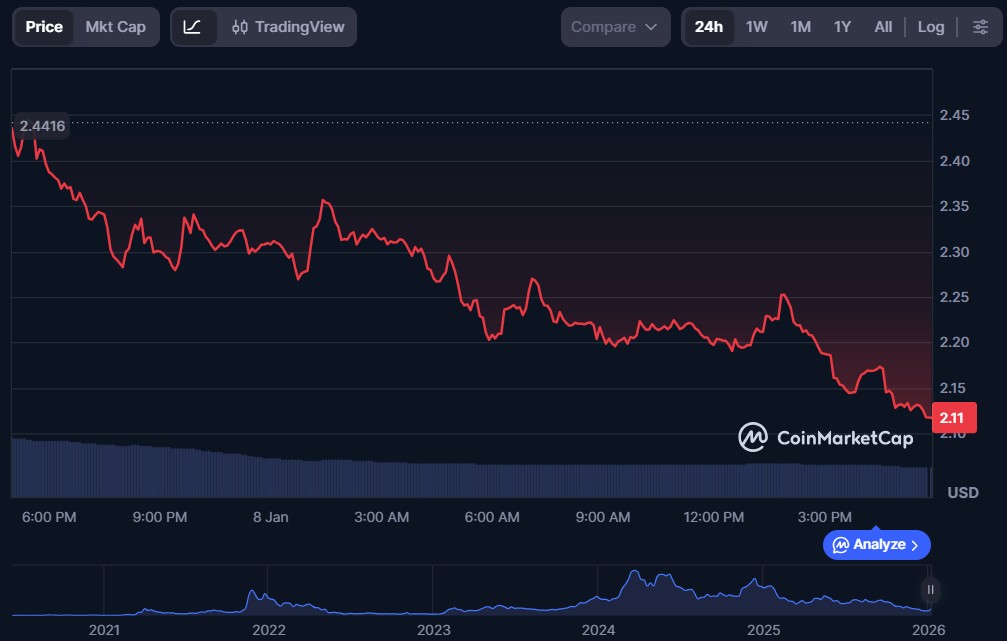
Render is an Ethereum blockchain-based distributed GPU network that functions as an essential platform for animation, VFX rendering, and motion graphics. Its native token, Render (RNDR), serves as a utility token specifically designed for utilization within the Render network. The network comprises two primary stakeholders: 1) Creators and 2) Node operators. Through the Render network, creators gain access to the immense GPU power available on the network, enabling them to generate high-quality images and visually captivating content at exceptional speeds and reduced costs. On the other hand, node operators lease out their GPU processing power to these creators and, in return, receive render tokens as rewards.
Bittensor (TAO)
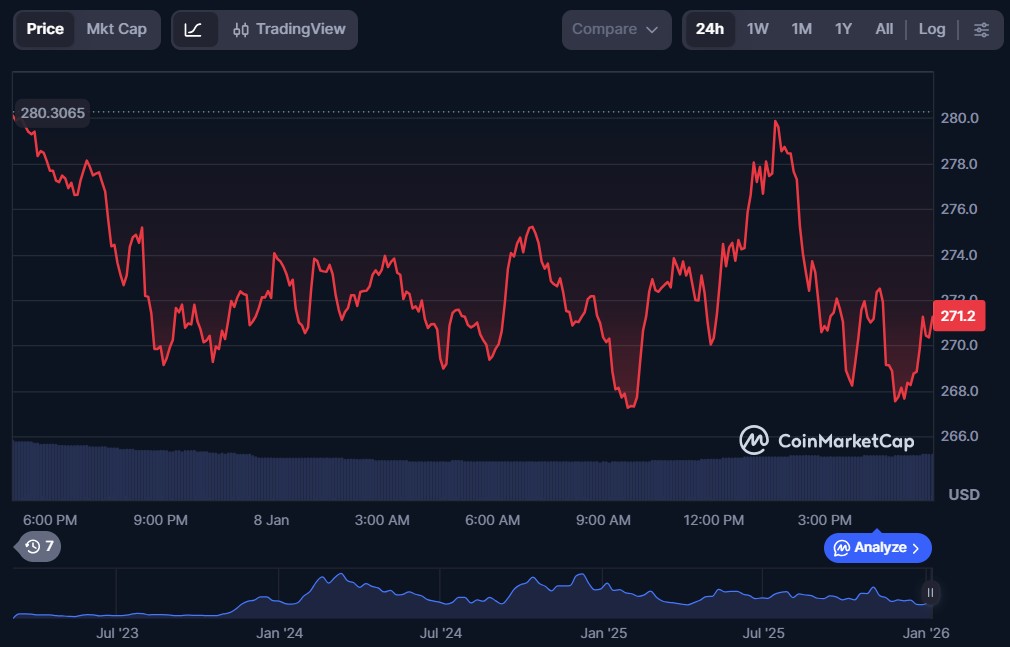
Bittensor is an innovative open-source protocol that powers a decentralized machine-learning network built on blockchain technology. It facilitates a collaborative training environment where machine learning models work together, earning rewards in the form of TAO tokens based on the valuable information they contribute to the collective intelligence. Additionally, TAO enables external access, allowing users to tap into the network’s wealth of knowledge while guiding its activities to align with their specific requirements.
At its core, Bittensor’s ambitious goal is to establish a pure marketplace for artificial intelligence, a fair and incentivized arena where consumers and producers can engage in trustless, open, and transparent interactions.
The Graph (GRT)
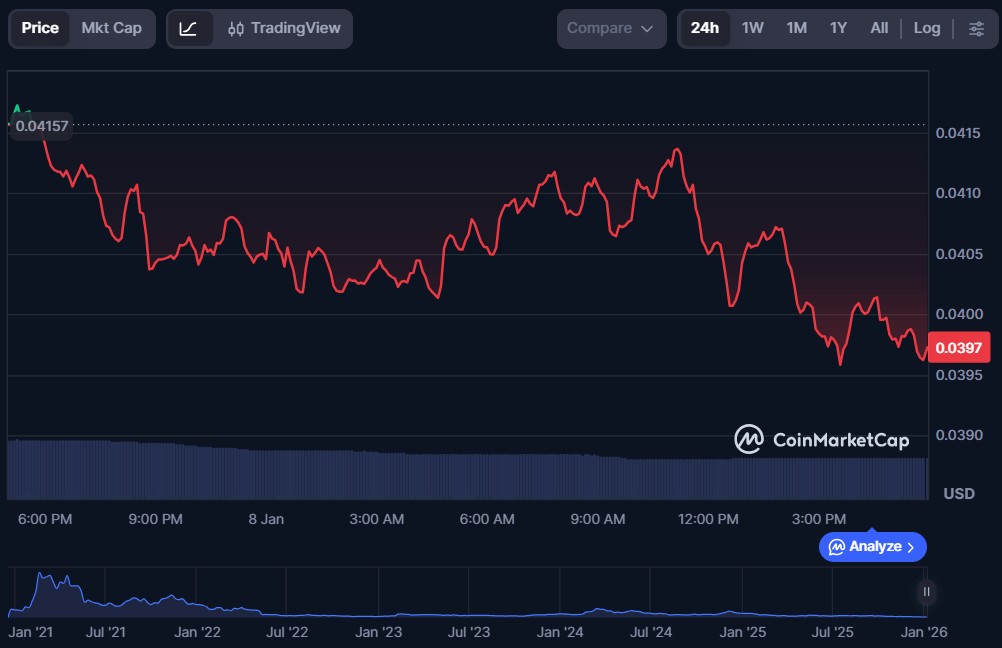
The Graph is a decentralized, open-source protocol that utilizes distributed ledger technology to gather data independently, eliminating the need for intermediaries. This protocol functions as a worldwide APU (Application Programming Interface) designed to index and organize data efficiently. It leverages the GraphQL language to enable easy accessibility and processing.
Similar to how Google indexes the web, The Graph protocol indexes blockchain data. However, indexing blockchain data poses challenges due to the presence of numerous smart contracts storing data, which can hinder swift query responses by decentralised applications (DApps). To address this, The Graph protocol employs subgraphs to effortlessly retrieve data from the blockchain. Subgraphs serve as open APIs that specify the data to be indexed and its storage method.
The native token of The Graph network is called GRT. GRT is utilized to allocate resources within the network. It is an ERC-20 crypto token that can be stored in Ethereum (ETH) and other ERC-20 compatible wallets.
Also Read: How to Choose AI for Crypto Trading?
Final Thoughts
The blend of artificial intelligence and blockchain technology is driving decentralized networks into a smarter, more capable era. A growing wave of AI-powered tokens is accelerating this shift, using machine learning to boost network performance, strengthen security layers, and refine how blockchain platforms process and interpret data.
Yet the transformation isn’t just about speed or efficiency—it’s reshaping how decentralized systems evolve and adapt. Advancements such as privacy-focused computation, improved data interoperability, and intelligent protocol decision-making are enabling blockchain networks to become more intuitive and self-optimizing. As interest in AI-integrated crypto projects surges, industry veterans recognize one core truth: lasting progress depends on real technological innovation, not short-lived hype.
Read more: What are Crypto Trading Bots
In the grand scheme of things, ZebPay blogs are here to provide you with crypto wisdom. Get started today and join 6 million+ registered users to explore endless features on ZebPay!