

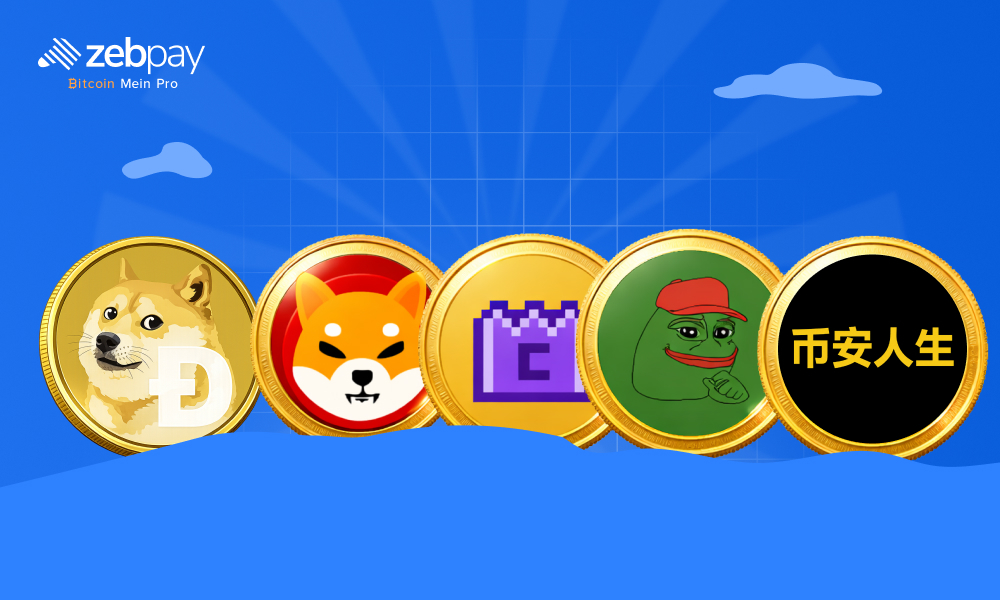
Meme coins have grown into a distinctive segment of the crypto market, shaped as much by internet culture and community participation as by traditional market dynamics. What often begins as an internet meme, viral trend, or community-led project can evolve into a widely recognised crypto asset with an active and highly engaged following. This combination of culture, attention, and participation has given meme coins a unique place within the broader Web3 ecosystem.
While many crypto assets are built around defined technological, financial, or utility-driven use cases, meme coins often derive much of their momentum from their communities and cultural relevance. Social media conversations, online trends, influencer activity, and changes in retail interest can quickly reshape the narrative around a token, influencing demand and contributing to sharp movements in its market value.
In 2026, meme coins continue to attract considerable attention across the crypto market. Their prices can respond quickly to changes in sentiment and online narratives, making community activity and broader market interest particularly relevant when assessing this segment. With several projects continuing to capture attention, here are the meme coins making the biggest impact in 2026.
Introduction to Meme Coins
Meme coins are often driven by attention, sentiment, and community activity rather than traditional financial or technological fundamentals. Social media conversations, viral trends, and changes in community interest can influence demand rapidly, making collective attention an important force behind market activity in this segment.
Their narratives can also change at remarkable speed. A viral post, trending meme, celebrity mention, or sudden surge in online engagement can shift sentiment within hours and lead to significant price movements. This close relationship with online culture makes meme coins particularly responsive to changes in public attention and community behaviour.
For those following this segment, monitoring emerging narratives alongside market activity can provide useful context. Social sentiment, community engagement, trading patterns, and on-chain data can help identify where interest is building and whether a particular narrative is gaining or losing momentum. Looking at these signals together can provide a clearer understanding of how meme coin trends are evolving.
Also Read: Tokenization Market to Reach USD18.8B by 2032
Top 5 Meme Coins
| Coin Name | Current Price | Market Capitalization | 24-Hour Volume |
| Dogecoin (DOGE) | $0.08715 | $14.99 billion | $562.98 million |
| Shiba Inu (SHIB) | $0.000005440 | $3.20 billion | $47.17 million |
| MemeCore (M) | $0.0005725 | $37.08 million | $5.23 million |
| Pepe (PEPE) | $0.000004198 | $1.73 billion | $198.63 million |
| 币安人生 (币安人生) | $0.5883 | $587.96 million | $17.06 million |
Note: This list has been made based on internal research and should not be taken as investment advice. Investors should do their thorough research before buying or selling crypto assets.
Dogecoin (DOGE)
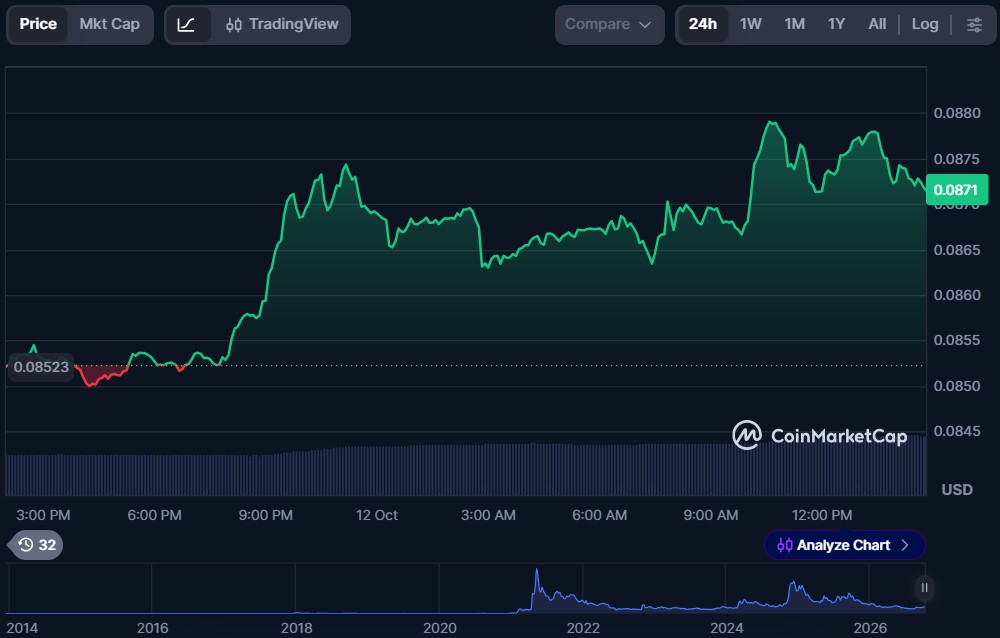
In 2013, Dogecoin emerged as a crypto, playfully paying homage to the renowned internet meme featuring a Shiba Inu dog. Differing from Bitcoin’s finite supply, Dogecoin does not have a limit on the number of coins that can be generated. It employs a proof-of-work consensus algorithm, where miners utilise computational power to solve intricate mathematical problems, validating transactions and earning Dogecoin rewards. While Dogecoin gained popularity in early 2021 due to endorsements from celebrities like Elon Musk, its value has exhibited high volatility. Primarily utilised for online tipping and microtransactions, Dogecoin can also be exchanged for other cryptos or traditional fiat currency.
Shiba Inu (SHIB)
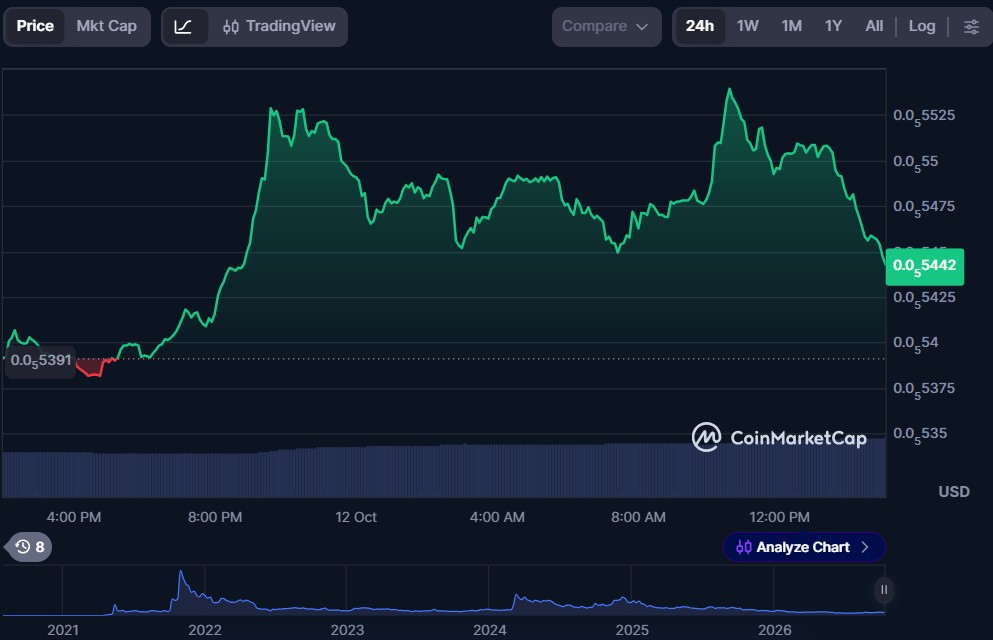
Introduced in August 2020 as a direct rival to Dogecoin, Shiba Inu (SHIB) is a crypto operating on the Ethereum blockchain. Utilising a proof-of-stake consensus algorithm, SHIB selects validators based on the quantity of SHIB tokens they possess, rather than computing power. An individual or group known as “Ryoshi” anonymously created this asset, aiming to establish a decentralised community of SHIB holders capable of exchanging tokens and participating in governance decisions. Its value has displayed remarkable volatility, with the primary usage revolving around speculative trading rather than acting as a payment method.
MemeCore (M)
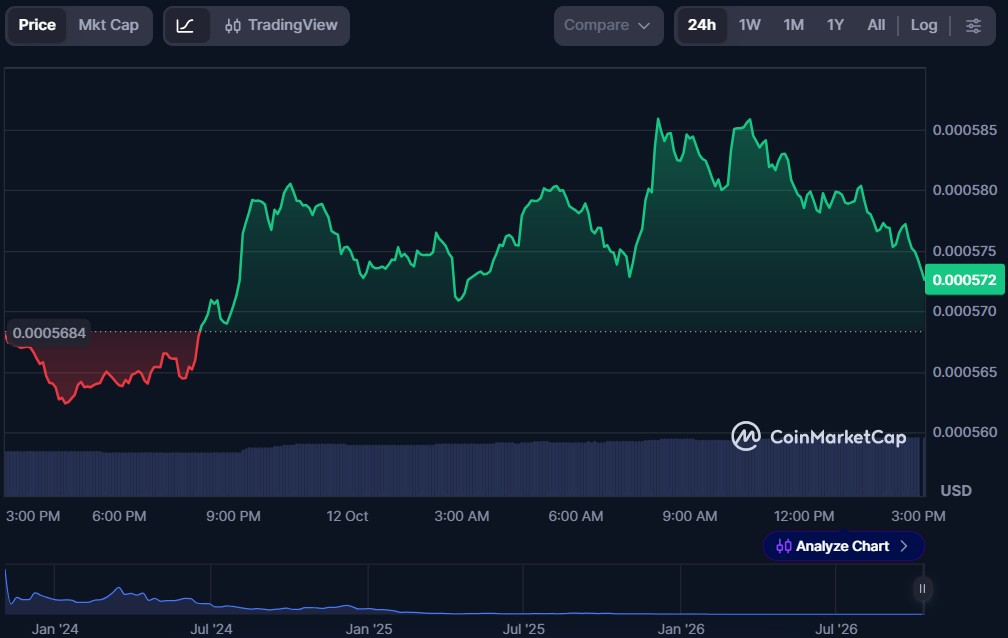
MemeCore is a meme-driven blockchain project that positions itself as a cultural movement rather than just a crypto asset. Built around internet humor and community creativity, MemeCore aims to become the foundational layer for meme-based digital economies. At the heart of its ecosystem is the MemeCore Chain, designed to support meme-centric applications, NFTs, and social interactions powered by on-chain activity. The project emphasizes community participation through creator incentives, governance, and reward mechanisms tied to the M token. By blending meme culture with blockchain utility, MemeCore seeks to transform viral content into a sustainable, community-owned ecosystem.
Pepe (PEPE)
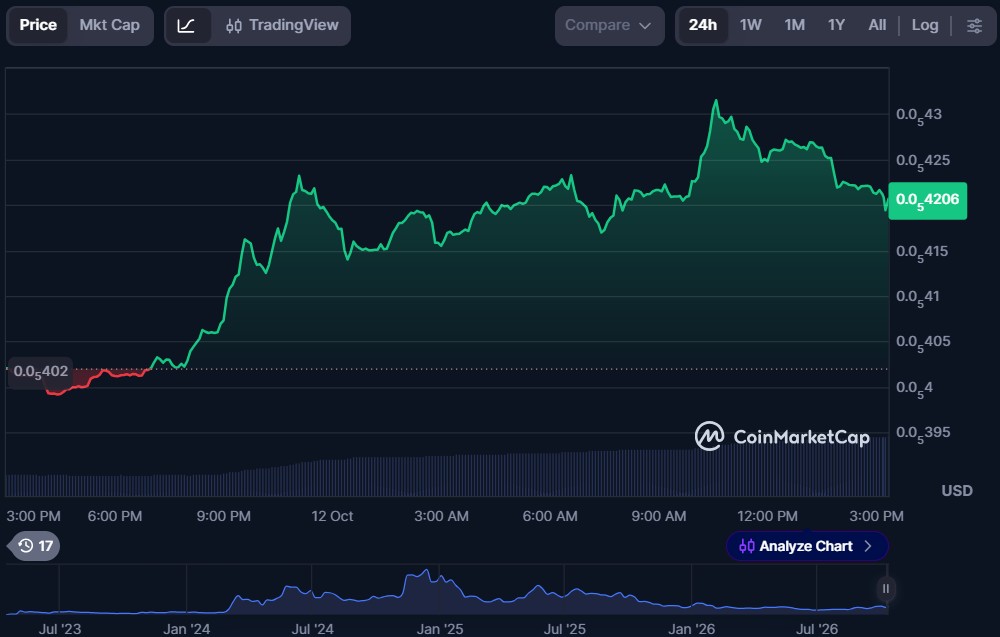
Pepe is a recently introduced crypto that derives inspiration from the well-known “Pepe the Frog” meme. This project boasts a circulating supply of 420.69 trillion tokens, with more than 90% securely locked in liquidity pools. Since its inception, Pepe has witnessed a noteworthy upsurge in market capitalization While investing in meme coins entails considerable risk, Pepe stands out as a token that has garnered substantial popularity. As an ERC-20 token, Pepe leverages the capabilities of Ethereum’s extensive network and infrastructure.
Also Read: Difference Between Yield Farming and Staking
币安人生 (币安人生)
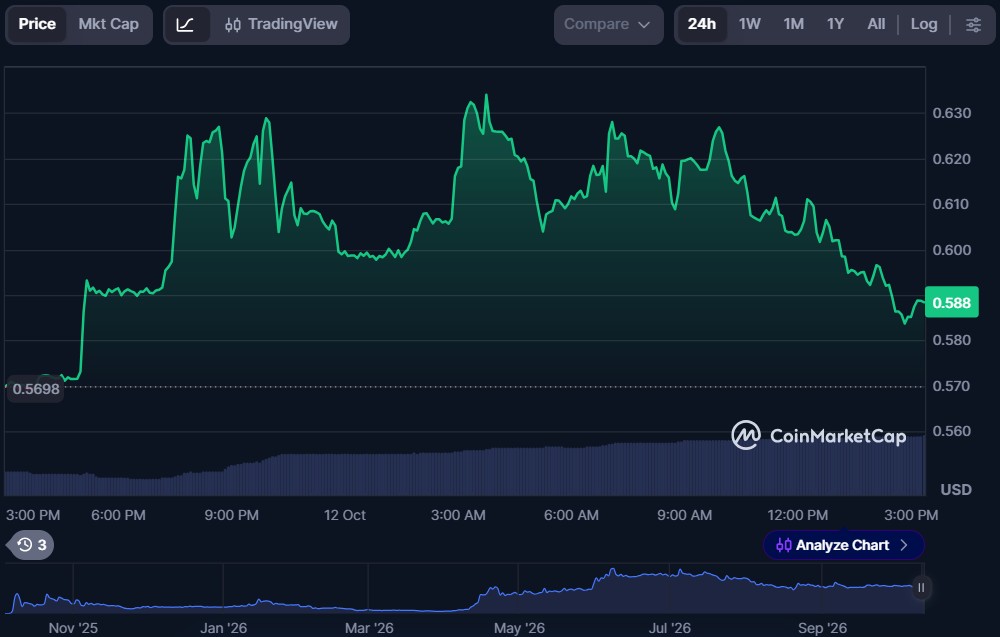
币安人生 (Binance Life) is a meme token on the BNB Chain that draws inspiration from the experiences, culture, and trends surrounding the broader crypto community. The project embraces the community-driven nature of meme coins, with its popularity largely influenced by social engagement and market interest. As a BEP-20 token, it operates within the BNB Chain ecosystem, benefiting from efficient transactions and network accessibility. Since its launch, Binance Life has gained attention among traders and enthusiasts, establishing a presence within the evolving meme coin landscape.
Also Read: Top 5 Countries Leading Global Crypto Adoption
Conclusion
Meme coins continue to hold a significant place in the crypto market in 2026, driven by highly active communities and the fast-moving nature of online culture. While established names such as Dogecoin and Shiba Inu remain widely recognised, newer tokens like Pepe, Floki, and Bonk have also gained traction through community participation and expanding ecosystems. Over time, what began largely as internet-based experiments has developed into a distinct market segment with considerable trading activity and a growing user base.
The meme coin segment offers a clear example of how social sentiment and online narratives can influence crypto market behaviour. Changes in community interest and emerging trends can shape price movements, providing a window into retail sentiment and where market attention is shifting. Despite their accessibility and widespread appeal, meme coins require careful consideration. Thorough research, realistic expectations, and disciplined risk management remain important when evaluating these assets and deciding whether they align with an individual’s investment objectives.
In the grand scheme of things, ZebPay blogs are here to provide you with crypto wisdom. Get started today and join 6 million+ registered users to explore endless features on ZebPay!
FAQs
What defines a “meme coin” in the crypto world?
A meme coin is a crypto asset whose popularity primarily comes from internet culture, social media trends, jokes, or viral communities rather than strong fundamental use-cases. Its price typically relies heavily on hype, community sentiment, or viral moments.
What is special about Dogecoin (DOGE)?
Dogecoin, launched in 2013 and inspired by the “Doge” Shiba Inu meme, uses a proof-of-work consensus mechanism and has no maximum supply cap. It’s widely used for tipping, microtransactions, and community-driven trading, supported by one of the most active and enthusiastic communities in the crypto space.
How does Shiba Inu (SHIB) differ from Dogecoin?
Shiba Inu runs on the Ethereum blockchain, uses a proof-of-stake-based ecosystem, and was launched in 2020 as a direct competitor to Dogecoin. While it also has meme roots, it aims to offer more decentralized governance and community-driven features. Its volatility remains high and its real-world utility beyond speculation is still developing.
What are the risks associated with meme coin investing?
Meme coins are highly volatile, with their value often driven by social media hype that can disappear quickly. Many lack strong real-world utility or a clearly defined development roadmap. Regulatory actions, shifts in market sentiment, or negative publicity can trigger sharp price declines.
Additionally, meme coins often have concentrated token ownership, where a small number of large holders (“whales”) can influence prices through sudden buy or sell actions. Liquidity can also be limited, increasing the risk of slippage or difficulty exiting a position during market downturns. Because many meme coins launch quickly and without rigorous technical standards, investors should always be cautious of potential scams, rug pulls, or abandoned projects.
Are meme coins a good entry point for newcomers to crypto?
Meme coins can be appealing due to their low entry cost and widespread attention, but they also carry risks. For beginners, they may be suitable only as a small, speculative part of a diversified portfolio. It’s generally wiser to balance such exposure with more established crypto assets and always conduct thorough research before investing.
While meme coins can offer a fun and engaging introduction to the crypto world, they should not be mistaken for stable or long-term investments. Their prices can fluctuate rapidly based on trends, influencer activity, or market sentiment, making them unpredictable for first-time investors. Newcomers should focus on learning core crypto fundamentals like blockchain basics, risk management, and secure wallet usage before relying too heavily on highly volatile meme tokens.
How do community and social media trends affect meme coin prices?
Community and social media influence meme coin prices significantly. Viral moments, trending posts, or influencer endorsements can trigger sharp price hikes, while active communities amplify hype and visibility. On the other hand, declining engagement or negative sentiment can cause prices to fall quickly.
Beyond short-term buzz, strong communities can influence a meme coin’s long-term direction by driving real adoption and encouraging developers to build new utilities around the token. Social media platforms often act as coordination hubs where holders propose features, push for exchange listings, or organize collaborative initiatives. This collective action can help transform what starts as a meme into a project with growing utility and sustained ecosystem development.