



Metaverse coins are becoming an important part of the economies built around virtual worlds, giving users a way to participate in and exchange value across digital environments. These blockchain-based assets can be used for payments, digital ownership, governance, and access to experiences within virtual platforms. As these ecosystems develop, their native tokens are helping create economic models where users can do more than simply interact with a platform. They can own assets, participate in its growth, and contribute to the wider digital economy.
Their role differs from one metaverse project to another. Users may use native tokens to purchase virtual land, digital collectibles, in-world items, experiences, and other assets. Platforms such as Decentraland and The Sandbox, for example, have built virtual economies around their respective tokens, giving users ways to interact with platform features and participate in decentralised digital environments.
Metaverse tokens can also play a role in supporting creators and digital content. They can facilitate the creation and exchange of NFTs, reward user-generated content, and enable new models for creator-led economies. As virtual worlds continue to evolve, these tokens are becoming more than a means of payment. They are helping establish the infrastructure through which users and creators can create, own, exchange, and participate in digital value.
Also Read: What is the Metaverse
Why Metaverse Coins Matter in Virtual Economies
Immersive virtual worlds need functioning economies to support meaningful and sustained user participation, and metaverse coins provide a mechanism for moving value within these digital environments. They can facilitate transactions involving virtual land, in-game assets, digital wearables, experiences, and platform services, allowing users to buy, sell, and interact with assets without leaving the ecosystem.
Their role, however, extends beyond facilitating payments. Metaverse projects can use native tokens to reward creators, recognise community contributions, and encourage participation across their platforms. By connecting different groups through a shared economic system, these tokens can create incentives for developers, players, creators, and other participants to contribute to the growth and activity of a virtual ecosystem.
As metaverse platforms continue to evolve, their token-based economies are becoming increasingly sophisticated. Users can earn, spend, exchange, and in some cases own digital assets within these environments, creating economic models that bring elements of ownership and value exchange into virtual worlds. In this way, metaverse coins form an important part of the infrastructure supporting digital economies.
Blockchain Technology Behind Metaverse Coins
Metaverse coins derive much of their functionality from the blockchain networks that support them. Rather than operating as standalone digital currencies, these tokens can form part of broader blockchain-based economies where ownership, transactions, and user activity are recorded on a shared network. Smart contracts add another layer of functionality by enabling transactions and digital interactions to take place according to predefined rules, without requiring every action to be managed by a central authority.
This becomes particularly important when virtual assets carry real economic value. Blockchain records can establish who owns a digital asset, track how it changes hands, and provide a verifiable history of transactions. This creates a transparent foundation for activities such as buying virtual land, exchanging digital items, or transferring other assets within a metaverse ecosystem.
The underlying technology can also support far more than token payments. Blockchain networks can power NFT marketplaces, programmable ownership, in-platform transactions, and community-led governance, allowing different components of a virtual economy to work together. By combining digital ownership with transparent value transfer and programmable functionality, blockchain gives metaverse platforms the foundation to build increasingly sophisticated digital economies.
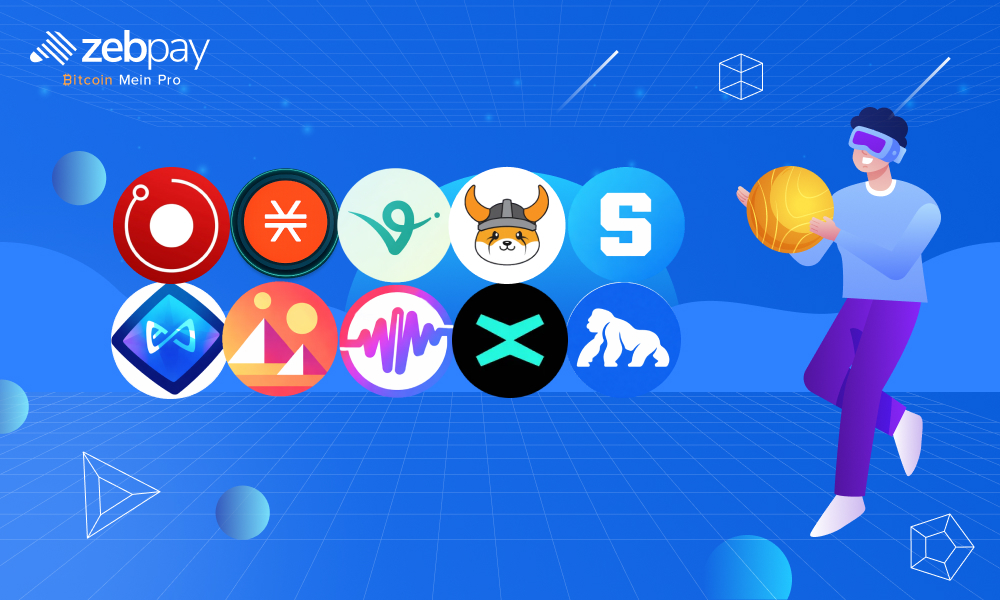
10 Notable Metaverse Crypto Coins
| Coin Name | Current Price | Market Capitalization | 24-Hour Volume |
| Render (RENDER) | $2 | $1.04 billion | $82.75 million |
| Virtuals Protocol (VIRTUAL) | $0.7649 | $504.15 million | $127.62 million |
| Stacks (STX) | $0.3982 | $721.45 million | $46.30 million |
| FLOKI (FLOKI) | $0.00002676 | $254.93 million | $38.22 million |
| Axie Infinity (AXS) | $1.17 | $204.95 million | $49.88 million |
| ApeCoin (APE) | $0.1467 | $146.72 million | $21.31 million |
| Decentraland (MANA) | $0.09955 | $197.75 million | $32.47 million |
| The Sandbox (SAND) | $0.07076 | $208 million | $207.29 million |
| WEMIX (WEMIX) | $0.1896 | $94.78 million | $517.99K |
| MultiversX (EGLD) | $4.04 | $124.88 million | $11.45 million |
Note: This list has been made based on internal research and should not be taken as investment advice. Investors should do their thorough research before buying or selling crypto assets.
Also Read: Advantages and Disadvantages of Blockchains
Render (RENDER)
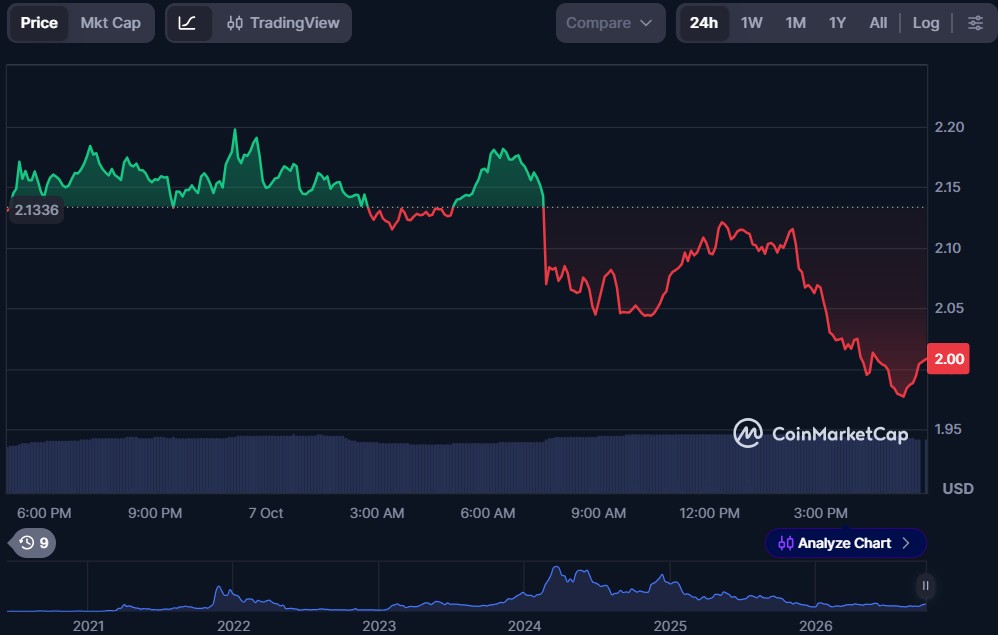
Render is a decentralised GPU rendering network designed to connect creators with unused computing power across the globe. It enables artists, developers, and studios to render high-quality 3D graphics, visual effects, and metaverse content more efficiently by leveraging distributed GPU resources. This makes Render particularly relevant for metaverse platforms, gaming environments, and immersive digital experiences that require heavy rendering workloads. The RNDR token is used as the medium of exchange within the network, facilitating payments between creators and node operators who provide GPU power. By decentralising rendering infrastructure, Render helps reduce costs, improve scalability, and accelerate content creation for virtual worlds, NFTs, and next-generation digital applications.
Virtuals Protocol (VIRTUAL)
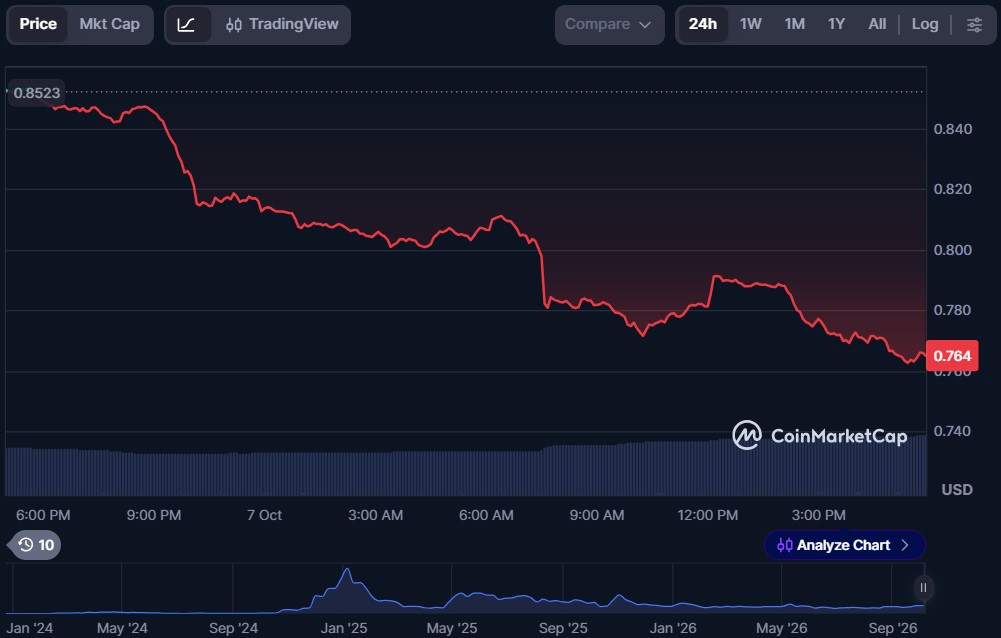
Virtuals Protocol (VIRTUAL) is an AI-integrated metaverse crypto project built to power autonomous digital agents within virtual environments. At its core, the protocol combines artificial intelligence and blockchain to allow creation, tokenization, and co-ownership of AI agents capable of operating, interacting, and even transacting on behalf of users. These agents can be deployed across gaming, social, and entertainment contexts, creating immersive and dynamic virtual experiences where VIRTUAL tokens serve as both transactional currency and governance units. VIRTUAL’s innovative design enables AI agents to issue their own tokens paired with VIRTUAL in liquidity pools, fostering co-ownership and revenue sharing. The protocol’s focus on multimodal AI capabilities, such as text, speech, and 3D interactions, places it at the intersection of Web3, gaming, and metaverse economies. This unique blend has positioned Virtuals Protocol as a forward-looking infrastructure for future digital ecosystems where AI and virtual participation converge.
Stacks (STX)
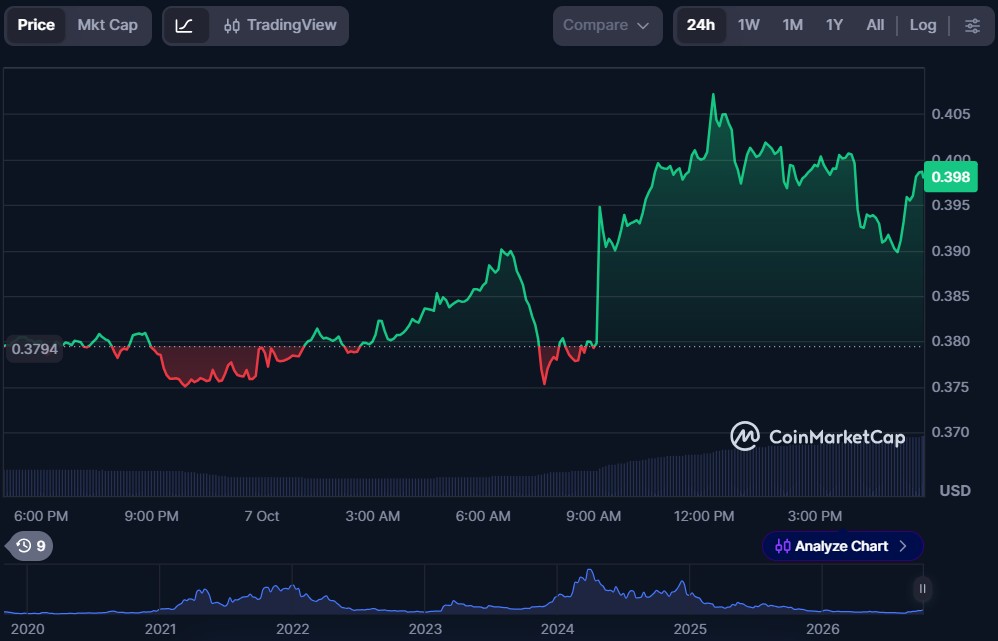
Stacks (STX) is the native crypto asset of the Stacks blockchain, a layer-1 network that brings smart contracts, decentralized apps (dApps), and decentralized finance (DeFi) to Bitcoin without altering Bitcoin’s core protocol. The Stacks blockchain uses a unique consensus mechanism called Proof-of-Transfer (PoX), which leverages Bitcoin’s security and allows STX holders to participate in stacking, which refers to a process where users lock STX to earn Bitcoin rewards and help secure the network. Its integration with Bitcoin provides a compelling bridge between the largest crypto and the growing ecosystem of programmable money and Bitcoin-anchored DeFi. Beyond network security and transaction fees, STX’s ecosystem supports a range of decentralized applications and token launches, with a broader aim to bootstrap a Bitcoin-centric Web3 economy. Over the past year, key upgrades have enhanced protocol performance, expanded developer infrastructure, and opened new opportunities for earning BTC via stacking, reinforcing STX’s value proposition as both a utility and participation token.
FLOKI (FLOKI)
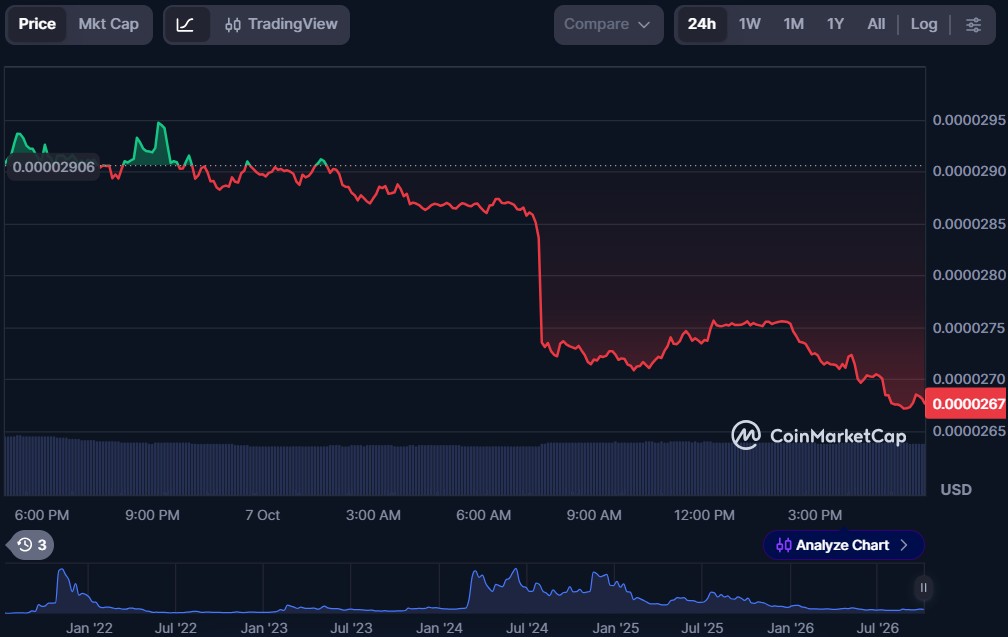
FLOKI is a well-known metaverse-focused crypto asset that originated as a community-driven project inspired by Elon Musk’s dog, Floki. Over time, it has evolved beyond a meme coin into a broader Web3 ecosystem with strong emphasis on metaverse gaming, NFTs, and decentralised finance. One of FLOKI’s core initiatives is Valhalla, a play-to-earn metaverse game where users can explore a virtual world, battle, trade NFTs, and earn rewards using the FLOKI token. The project also includes an NFT marketplace, DeFi utilities, and educational initiatives aimed at increasing crypto adoption. The FLOKI token plays a central role across this ecosystem. It is used for in-game transactions within Valhalla, NFT purchases, staking, governance participation, and utility across other FLOKI-powered platforms. By combining gaming, NFTs, and community-led development, FLOKI positions itself as a metaverse crypto project with ambitions that extend far beyond its meme origins.
Also Read: Complete Guide for Finding NFT Projects
Axie Infinity (AXS)
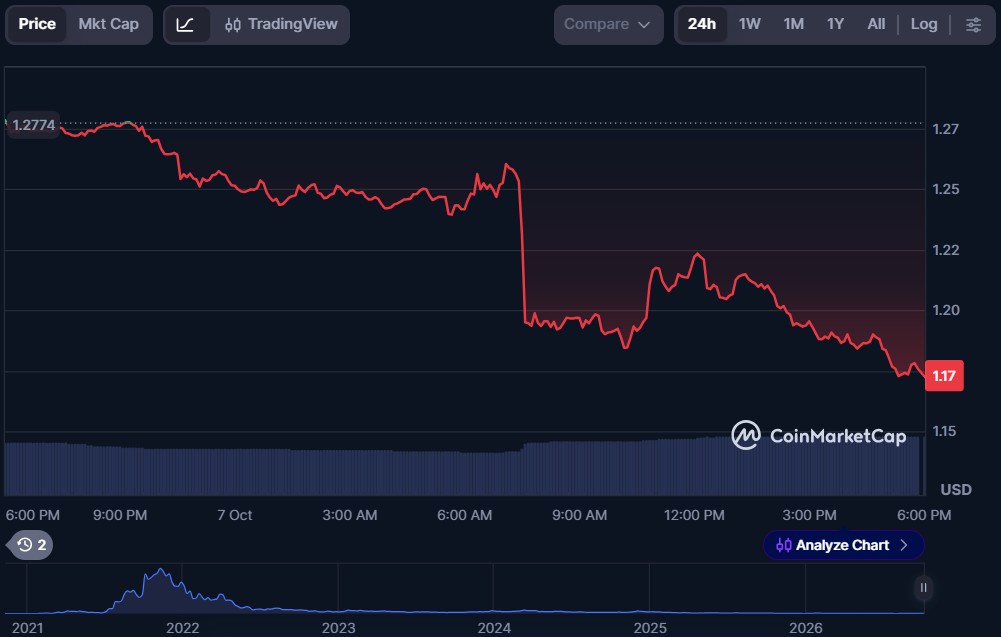
Next on our roster of leading metaverse cryptos is Axie Infinity. This blockchain-driven battling game draws inspiration from popular web2 games like Pokemon and Tamagotchi. In the Axie game, players can design and amass digital NFT creatures known as Axies, which come in diverse forms such as birds, beasts, and plants. Users can nurture and engage in battles with their Axies, with the victor earning experience points (exp) used for leveling up in the game. Additionally, Axies can breed to produce new creatures that players can employ in gameplay or sell on the Axie marketplace.
Also Read: What is Axie Infinity (AXS)
ApeCoin (APE)
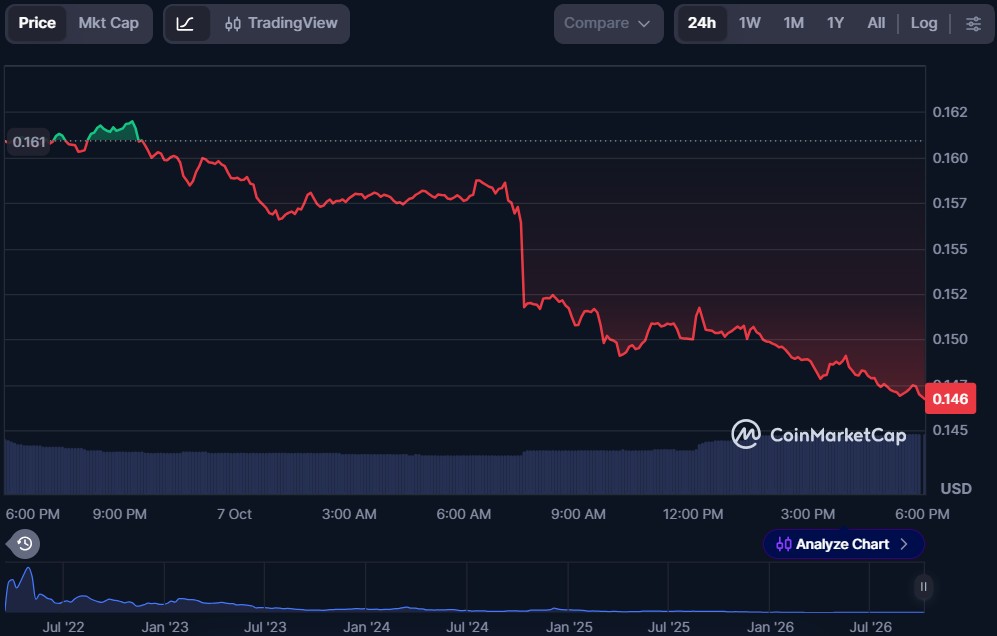
ApeCoin (APE) is a governance and utility token native to the broader Ape ecosystem, closely associated with the Bored Ape Yacht Club (BAYC) and other popular NFT projects. Launched on the Ethereum network, ApeCoin empowers holders to participate in the ApeCoin DAO, a decentralized organization that governs funding decisions, ecosystem growth, partnerships, and future developments tied to the token’s use cases. Beyond governance, APE is positioned as a currency for the growing Web3 metaverse economy, including play-to-earn games, virtual experiences, exclusive merch, and community-driven events. Its role as a shared medium within the Ape ecosystem, including future metaverse projects like Otherside, underscores its potential as both a utility token and a cultural connector in the evolving world of decentralized digital assets.
Also Read: What is Proof of Stake
Decentraland (MANA)
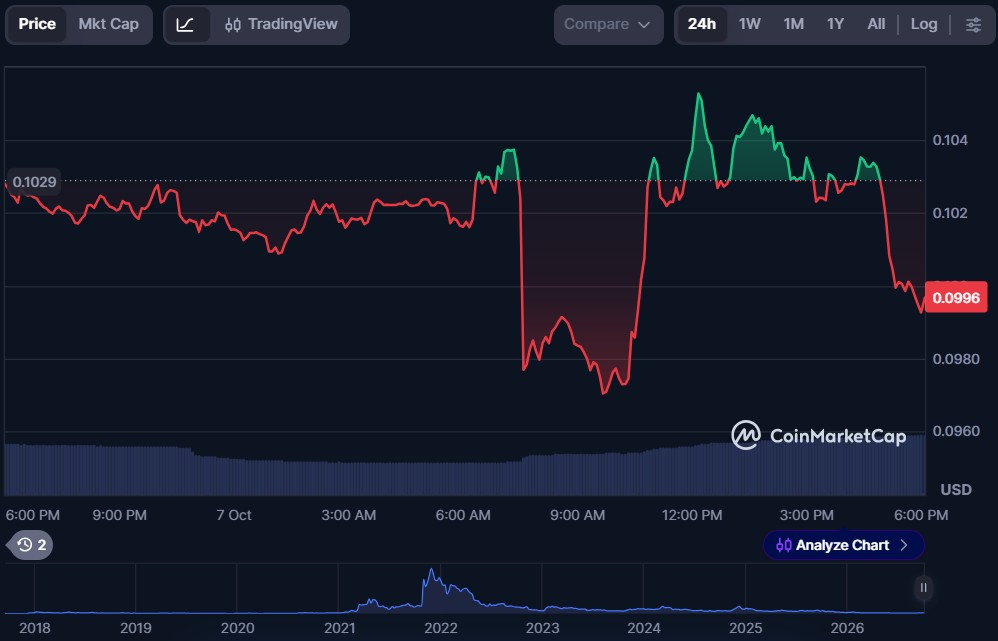
Decentraland is a decentralized virtual world constructed on the Ethereum blockchain, offering users the capability to generate, explore, and monetize digital content and experiences within a virtual reality setting. Employing blockchain technology, Decentraland ensures authentic ownership and scarcity of virtual land and assets. This intricate metaverse encompasses aspects such as land ownership, content creation, and an entire in-world economy centered around the MANA token. Within the virtual world of Decentraland, parcels of virtual land, referred to as LAND, are divided. Each LAND parcel is represented by a non-fungible token (NFT) on the Ethereum blockchain, allowing users to securely own, buy, sell, and trade metaverse plots. At the core of the ecosystem is LAND, where users can acquire a portion of land on one of Decentraland’s servers, subsequently developing interactive 3D scenes and experiences through a native scripting language known as the Decentraland SDK. These creations span a spectrum, from art installations and games to virtual shops and social spaces. Decentraland operates under the governance of a decentralized autonomous organization (DAO) known as the Decentraland Foundation. Ownership of MANA grants individuals the right to participate in the DAO’s decision-making processes, enabling them to influence the development and direction of the virtual world.
The Sandbox (SAND)
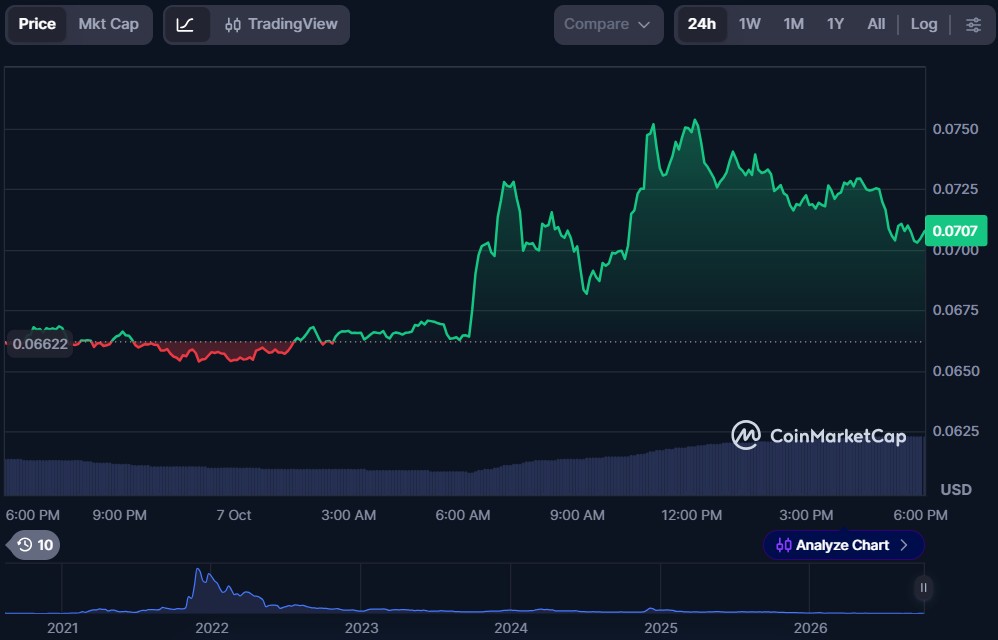
The Sandbox is a blockchain-based virtual realm that empowers users to craft, own, and monetize their gaming experiences and virtual possessions. Acting as a platform for creators, it facilitates the construction, sharing, and engagement in games, along with the buying and selling of virtual assets within the Sandbox metaverse. The platform places a strong emphasis on user-generated content and incorporates play-to-earn gaming mechanics, allowing creators to unleash their imaginative capabilities and construct distinctive experiences while earning rewards in the form of the platform’s native utility token, SAND. This approach fosters a diverse and continually evolving metaverse. The metaverse is constructed using blockchain technology to ensure genuine ownership of virtual assets. The integration of NFTs within The Sandbox permits creators and players to securely buy, sell, and trade virtual items through its dedicated NFT marketplace, mitigating the risks of duplication or fraud.
WEMIX (WEMIX)
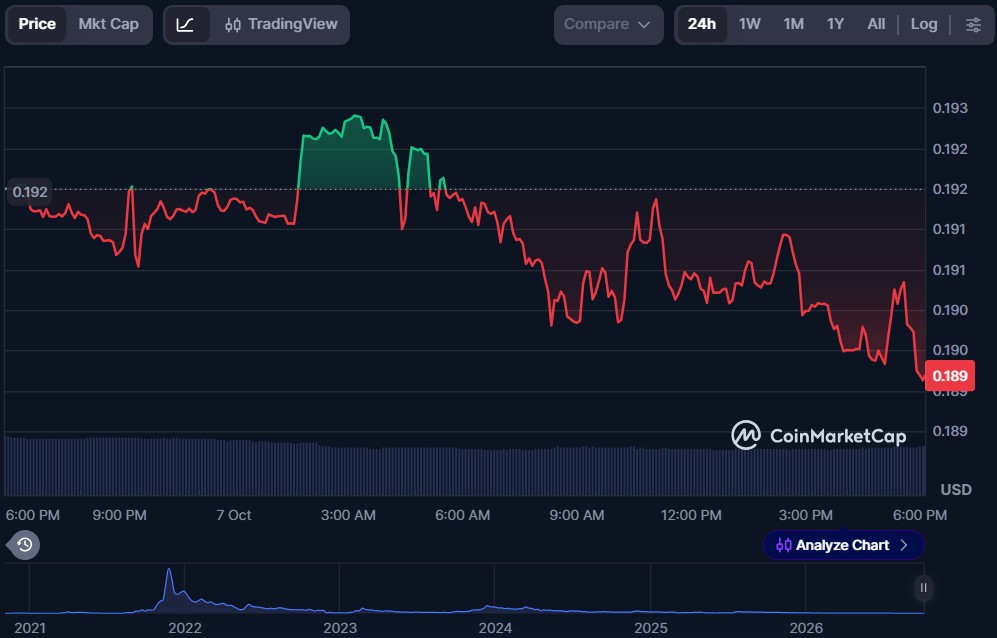
WEMIX (WEMIX) is the native token of the WEMIX 3.0 blockchain, a high-performance, Ethereum Virtual Machine (EVM)-compatible layer-1 network optimized for Web3 gaming and metaverse applications. WEMIX aims to support resource-intensive decentralized applications (dApps) by providing fast throughput, dynamic gas pricing, and scalable infrastructure, making it attractive to developers building interactive game worlds, NFT ecosystems, and virtual economies. The WEMIX ecosystem encompasses dedicated platforms like WEMIX PLAY for gaming titles, Nile for NFTs, and WEMIX.Fi for DeFi services, creating an interconnected space where users can earn, trade, and utilize WEMIX tokens across varied activities. With hybrid chain architecture and cross-chain bridges, the project reinforces interoperability while promoting broader adoption of metaverse and blockchain gaming experiences.
Also Read: What is ERC-20
MultiversX (EGLD)
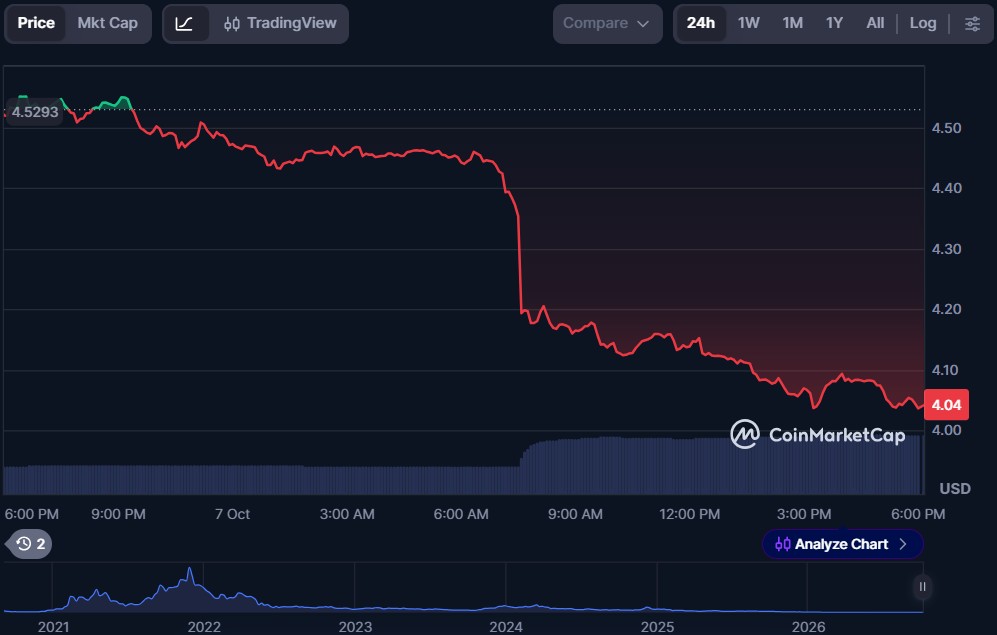
MultiversX (EGLD) is the native crypto asset of the MultiversX blockchain, a high-performance, scalable layer-1 network originally known as Elrond. MultiversX uses adaptive state sharding to achieve horizontal scalability and fast transaction finality, enabling developers to build decentralized finance (DeFi), gaming, identity, and metaverse applications with low fees and high throughput. The EGLD token fuels the MultiversX economy by paying transaction fees, securing the network through staking, and enabling governance participation. EGLD holders can stake tokens to help secure the blockchain and earn rewards, while also influencing protocol upgrades and economic parameters via on-chain governance. MultiversX’s adaptive architecture and developer-friendly features position it as a foundational platform for large-scale, real-world blockchain use cases that span beyond traditional financial applications into the emerging metaverse landscape.
Also Read: What is Metaverse Gaming
How Metaverse Crypto Enables Ownership of Digital Assets
One of the defining features of metaverse crypto coins is their ability to support digital ownership. Through self-custodial wallets, users can hold and control virtual assets such as land, NFTs, avatars, and collectibles without relying entirely on the platform where those assets are used. Blockchain records these assets and their ownership history, creating a transparent and verifiable system for managing digital property.
The concept of ownership can also extend across individual virtual worlds. Metaverse projects increasingly explore interoperability, allowing digital assets to be transferred, traded, or used across multiple platforms where supported. This gives users greater control over what they own and how they use it, while creating opportunities to monetise digital creativity, participate in virtual economies, and maintain digital identities and assets across a broader network of virtual environments.
Also Read: What is Solana?
Conclusion
The expanding metaverse landscape includes projects with widely different approaches, use cases, and levels of development. A strong market presence alone does not necessarily indicate that a project has the foundations to sustain long-term adoption. Assessing metaverse tokens therefore involves looking at the underlying ecosystem, including their practical utility, development activity, user engagement, and on-chain participation.
A well-researched approach is equally important when evaluating these assets. Factors such as tokenomics, the pace of development, community activity, platform adoption, and the project’s ability to adapt to changing technology can provide a clearer picture of its prospects. Given the evolving nature of the sector, maintaining diversification and keeping track of project and industry developments can help investors make more informed decisions while managing the risks associated with metaverse tokens. This content is for informational purposes only and should not be considered investment advice.
In the grand scheme of things, ZebPay blogs are here to provide you with crypto wisdom. Get started today and join 6 million+ registered users to explore endless features on ZebPay!
FAQs on Metaverse Crypto Coins
What is a metaverse crypto and how does it work within virtual worlds?
A metaverse crypto is a digital token used within virtual worlds to power transactions, interactions, and economic activity. These tokens function as the native currency of metaverse platforms, enabling users to buy assets, access services, participate in governance, and interact within the ecosystem using blockchain-based infrastructure.
How are metaverse crypto coins different from regular crypto assets?
While regular crypto assets often focus on payments or value storage, metaverse crypto coins are designed for use within virtual environments. They support activities like purchasing virtual land, trading digital assets, rewarding creators, and enabling participation in platform-specific economies and governance models.
What are metaverse tokens used for in virtual environments?
Metaverse tokens are commonly used to buy virtual land, avatars, wearables, and digital collectibles, pay for in-world services, mint or trade NFTs, and reward user participation. They also enable access to events, games, and premium features within virtual ecosystems.
How do metaverse crypto coins enable buying virtual land and digital assets?
Metaverse crypto coins act as the medium of exchange for virtual real estate and digital assets. Smart contracts on the blockchain process ownership transfers securely, ensuring that land parcels, items, and NFTs are verifiably owned and tradable within and outside the platform.
Are metaverse crypto coins mainly used for gaming purposes?
Although gaming is a major use case, metaverse crypto coins extend beyond games. They support virtual commerce, social interactions, digital art, education, real estate, and decentralized governance, making them integral to broader virtual economies.
How do NFTs and metaverse crypto tokens work together?
NFTs represent unique digital assets such as land, avatars, or collectibles, while metaverse crypto tokens are used to buy, sell, and trade these NFTs. Together, they create functional digital economies where ownership and value are secured on the blockchain.
What role do governance tokens play in metaverse platforms?
Governance tokens allow users to vote on platform decisions such as feature updates, economic parameters, and community rules. This decentralised governance model gives token holders a voice in shaping the future direction of the metaverse platform.
How do users earn rewards in metaverse-based crypto projects?
Users can earn rewards through activities like gameplay, staking tokens, providing liquidity, participating in governance, creating content, or contributing to the ecosystem. Many platforms incentivise active participation to encourage growth and engagement.
What are the risks associated with investing in metaverse crypto coins?
Risks include high market volatility, project failure, regulatory uncertainty, security vulnerabilities, and liquidity constraints. As metaverse projects are still evolving, investors should approach them with caution and conduct thorough research.
How should beginners evaluate different metaverse crypto projects?
Beginners should assess the project’s use case, development team, technology, token utility, community engagement, partnerships, and roadmap. Comparing projects within the metaverse crypto coins list and understanding their real-world relevance can help in making informed decisions.
Do metaverse crypto coins have real-world use cases beyond gaming?
Yes, metaverse crypto coins are increasingly used in virtual commerce, digital identity, remote collaboration, virtual events, education, and brand engagement. These use cases highlight the growing intersection between virtual environments and real-world applications.
How does blockchain technology ensure ownership in the metaverse?
Blockchain records ownership of digital assets and transactions on an immutable ledger. This ensures transparency, prevents duplication, and allows users to retain verifiable ownership of their virtual land, NFTs, and digital assets across metaverse platforms.