

JP Morgan has become the first major institution to tokenize a private-equity fund on its new Kinexys Fund Flow, a blockchain-based platform to revolutionize investor servicing and fund operations. This latest development in tokenization will bring alternative investment fund management, making the process quicker, more transparent, and more efficient for all parties in the ecosystem.
JP Morgan’s Tokenization Push: Kinexys Fund Flow Explained
Kinexys Fund Flow, from JP Morgan’s digital asset division, tokenizes investor data using blockchain technology to automate real-time settlement in private fund transactions. Participants in the first live transaction included JP Morgan’s Asset Management, Private Bank, Kinexys Digital Assets, and one of the largest administrators of funds, Citco. This was considered a successful test of blockchain technology in the traditional financial world.
With Kinexys, the fund manager, transfer agent, and distributor operate off a single network, which provides real-time visibility into investor activity. Smart contracts and blockchain rails automate the process of capital calls and settlements, eliminating manual reconciliations that typically slow down the process and introduce costly delays. This provides a single, trusted source of data and substantially simplifies the distribution and servicing of alternative funds.
Why Tokenization Is the Future?
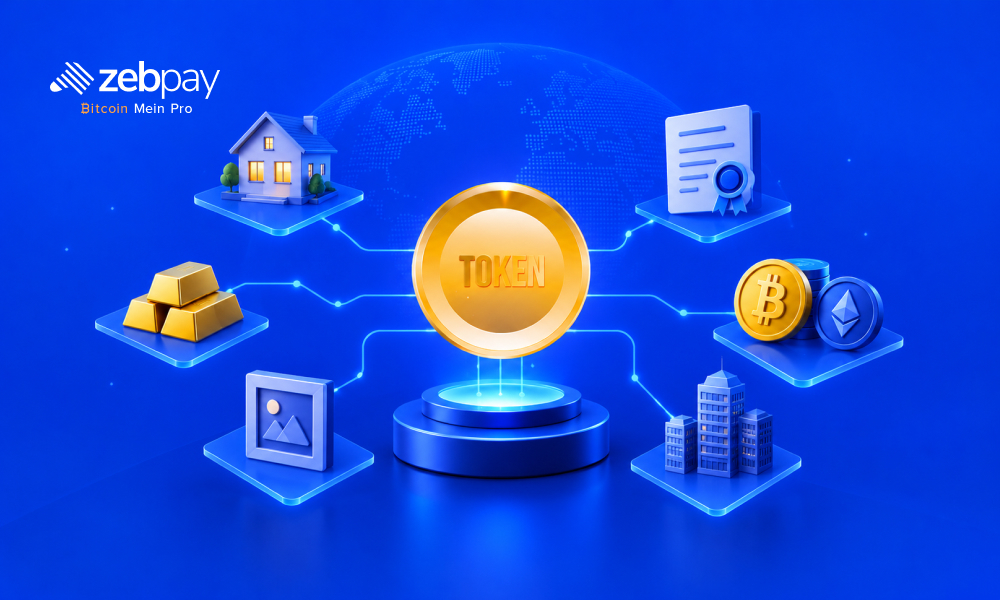
RWA tokenization, such as the process of digitizing private equity or real estate assets into digital tokens on a blockchain, is a way to modernize finance, making it more approachable, transparent, and liquid. By migrating investor registries and fund flows onto a blockchain, JP Morgan’s Kinexys platform can unlock operational efficiencies, cost reduction, and additional customization opportunities for investors and asset managers alike.
JP Morgan has already been at the forefront in this respect, having introduced JPM Coin in 2019, its blockchain unit Onyx in 2020, and partnering with companies as big as BlackRock and Siemens for on-chain settlements. The new Kinexys system is thus putting effort into private market infrastructure. Competitors such as Goldman Sachs, BNY Mellon, and BlackRock are also working toward stablecoin and fund tokenization, signaling that competition is incredibly intense in this race for digital-asset infrastructure.
How will this Benefit Investors?
Tokenization, for instance, enables instant settlement between parties, programmable rules-based fund distribution, and the availability of new product offerings like fractional ownership of private funds. This will reduce cash drag, enhance liquidity, and unlock an array of investment strategies for high-net-worth and institutional clients-representing the initial beneficiaries of Kinexys-that were once hard to manage or distribute.
Citco, one of the world’s largest fund administrators, has underlined that tokenization and blockchain reduce operational errors and democratize access to world-class investment strategies by eliminating administrative bottlenecks.
JP Morgan’s Kinexys Fund Flow further speaks to the practicality of tokenization in traditional finance and cements the bank’s role as a leader in bridging blockchain innovation with real-world assets. It represents a critical milestone for the tokenization of RWAs and a new benchmark for efficiency, transparency, and access that will be expected from the future of finance.
In the grand scheme of things, ZebPay blogs are here to provide you with crypto wisdom. Get started today and join 6 million+ registered users to explore endless features on ZebPay!
FAQs
1. What is RWA tokenization, and why does it matter?
RWA tokenization means the process of converting a real-world asset into a blockchain-based digital token. In other words, it is the latest revolution in modern finance, improving speed and broadening access to investors.
2. What is JP Morgan’s Kinexys Fund Flow?
Kinexys Fund Flow is a blockchain-based platform that automates and streamlines the transaction lifecycle for private funds using JP Morgan’s proprietary technology, including real-time settlement, transparency, and efficient data sharing among participants.
3. How does tokenization improve the alternative investment process?
Tokenization reduces human errors, reduces operational costs, and can enable automation via smart contracts. Tokenization for investors might offer fractional ownership, quicker liquidity, and better insights into their portfolios.
4. Who benefits from the Kinexys Fund Flow?
Wealthy and institutional clients at launch, but JP Morgan’s roadmap includes access to broader clients for other asset classes that could democratize alternative investments over time.
5. When will Kinexys Fund Flow be widely available?
JP Morgan said it plans a wider release in 2026 with more features and support for additional types of assets.