

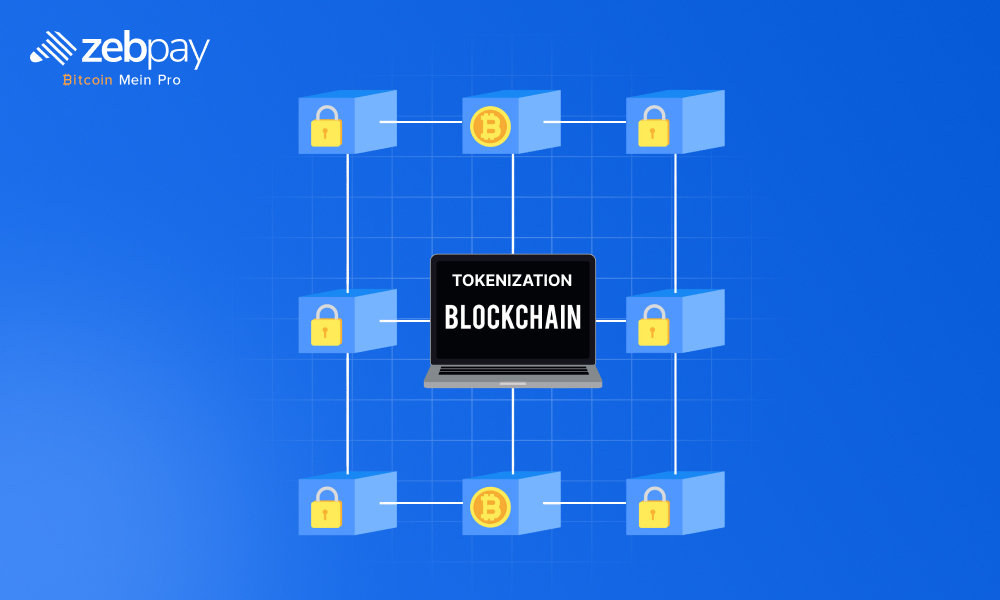
Tokenization transforms real-world assets (RWAs) like real estate, bonds, and commodities into blockchain-based digital tokens, enabling fractional ownership, 24/7 trading, and global access. The global tokenization market reached USD 3.9 billion in 2025 and is projected to hit USD 18.8 billion by 2034 at a 19.0% CAGR, per Dimension Market Research.
RWA tokenization drives this boom, with tokenized assets surpassing $36 billion on-chain by late 2025, a 2,200% rise since 2020.
From BlackRock’s tokenized funds to JPMorgan’s Kinexys platform, institutions lead adoption. This blog analyzes market size, trends, growth drivers, challenges, and forecasts to 2032.
Market Size and Growth Projections
| Metric | What to Check | Ideal |
| Win Rate | Profitable trades % | >60% |
| Sharpe Ratio | Risk-adjusted returns | >1.5 |
| Max Drawdown | Worst loss | <20% |
| ROI (Backtest) | Historical performance | >50% annual |
Key Drivers of Tokenization Growth
1. Fractional Ownership and Liquidity
Tokenization democratizes high-value assets. Buy 1/100th of a Mumbai property or US Treasury via tokens, and entry barriers drop from lakhs to thousands. Illiquid RWAs gain 24/7 DEX liquidity.
Real Estate: $20B tokenized in 2025; platforms like Propy enable global fractional buys.
2. Institutional Adoption
BlackRock, JPMorgan, and UBS launch tokenized funds. JPM’s Kinexys tokenizes private equity for instant settlement. 60% US/EU asset managers plan tokenized products.
Stablecoins: $1T AUM by 2026 to power RWA settlements.
3. Regulatory Clarity
US FIT21 Act clarifies SEC/CFTC roles. EU MiCA harmonizes rules. Singapore/Japan treat tokens as securities. India’s FIU guidelines boost compliance.
4. Technological Advances
API-based (54.1% share) and cloud deployment (61.5%) dominate for scalability. DeFi integration (Aave collateral) yields 5-10% on tokenized RWAs.
Asia-Pacific Surge: Japan (21.2% CAGR), India fintech boom.
Regional Analysis
North America (37.7% share): US $1.3B (2025), innovation hub. BlackRock’s BUIDL fund tokenized $500M+.
Europe (25% share): MiCA enables cross-border. UBS tokenized bonds.
Asia-Pacific (Fastest, 20%+ CAGR): Japan ODX, India real estate pilots. China treasuries lead.
India Context: ₹2,900Cr market by 2032 (23% CAGR). RBI pilots tokenized deposits; realty firms like Lodha explore fractional sales.
Market Segmentation
By Type:
- Solutions (78.6%): Platforms like Securitize, Tokeny.
- Services: Compliance consulting grows.
By Technique:
- API-based (54.1%): Seamless TradFi-blockchain bridge.
- Gateway-based: Secure transactions.
By Deployment:
- Cloud (61.5%): Scalable for SMEs.
- On-Premises: Banks prefer control.
By Enterprise:
- Large (65.1%): BFSI leads (29.6%).
- SMEs: Rapid adoption.
By Application:
- Payment Security (31.7%): PCI-DSS compliance.
- User Authentication: HIPAA in healthcare.
By Industry:
- BFSI: Cross-border payments.
- Healthcare: Secure EHRs.
RWA Tokenization Trends for 2026-2032
- Treasuries & Fixed Income: $7.4B (2025) → trillions. BlackRock yields 5% on-chain.
- Real Estate: Fractional luxury/residential; $11.55T US by 2032.
- Private Credit/Commodities: Gold (PAXG), carbon credits.
- DeFi Integration: RWAs as Aave collateral.
- AI Valuation: Automates appraisals.
- CBDC Synergy: Tokenized assets settle via digital rupees.
Challenges:
- Regulatory Hurdles: Cross-border compliance.
- Security: Smart contract exploits ($1B+ 2025).
- Oracle Risks: Off-chain data feeds.
- Liquidity: Secondary markets nascent.
Key Players: BlackRock, JPMorgan, UBS, Securitize, tZERO, Polymath.
Future Outlook to 2032
By 2032, tokenization reaches $15-18B overall, but RWA tokenization explodes to $2-16T across illiquids alone (BCG/McKinsey). Treasuries hit $5T, real estate $4T, private credit $3T. 90% global asset managers allocate 5-10% to tokenized funds.
2026-2028: Regulatory golden era—US/EU/Asia harmonize rules. L2s (Base, Arbitrum) cut fees 99%; AI oracles solve pricing. India’s RBI scales tokenized bonds (₹10L Cr issuance).
2029-2032: Mass adoption. Pension funds allocate $2T; retail owns 20% tokenized property globally. DeFi TVL hits $5T with RWAs as 60% collateral. CBDCs integrate natively, $1T tokenized deposits.
India: $1B+ by 2030. Mumbai/Delhi fractional realty booms; startups like Pine Labs tokenize SME lending. Tax clarity (20% LTCG proposal) accelerates.
Global Catalysts: Quantum-resistant blockchains, cross-chain bridges (Polkadot), institutional custodians (Fireblocks scale 10x). Risks mitigated, $10B insured tokenized pools.
Tokenization becomes “digital plumbing” for $100T+ TradFi migration to blockchain by 2032.
Conclusion
Tokenization unlocks trillions through fractional RWAs, growing from $3.9B to $18.8B by 2034. Institutions drive early adoption; regulation and tech unlock mass scale. Investors gain liquidity, global access; markets efficiency, and transparency. By 2032, tokenized assets redefine ownership; position early for the shift.
In the grand scheme of things, ZebPay blogs are here to provide you with crypto wisdom. Get started today and join 6 million+ registered users to explore endless features on ZebPay!
FAQs
What is tokenization in crypto?
Tokenization converts RWAs into blockchain tokens for fractional ownership and 24/7 trading.
RWA tokenization market size?
$36B+ on-chain (2025); $2T+ by 2030 per BCG.
Top tokenized assets?
Treasuries ($7.4B), real estate ($20B), and private credit.
India’s tokenization growth?
$294M by 2032 (23% CAGR) via RBI pilots.
Challenges in tokenization?
Regulatory uncertainty, oracle risks, liquidity gaps.