

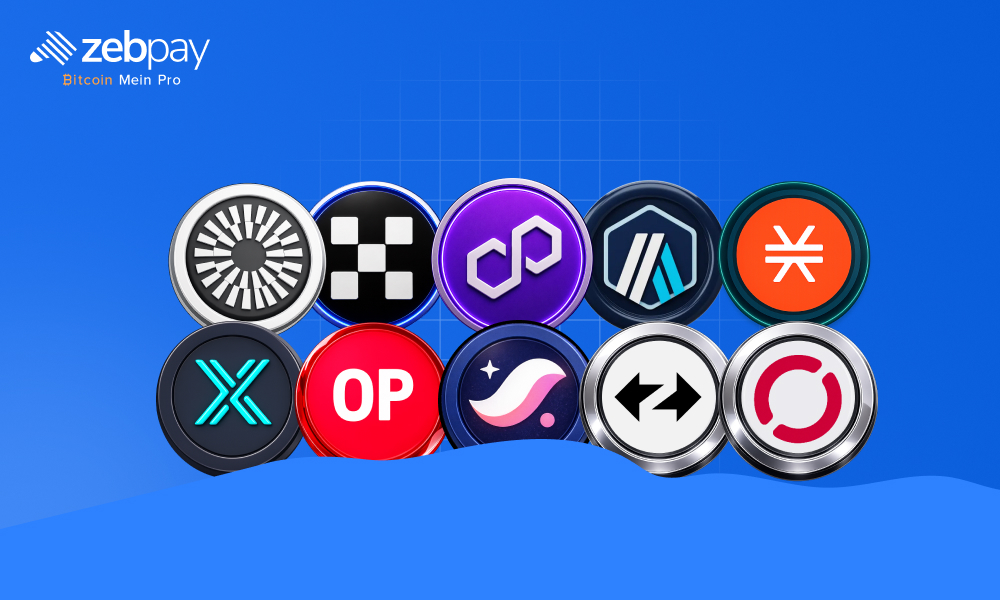
Blockchain networks were designed to provide decentralised infrastructure, but growing adoption has brought a practical challenge: how can they support millions of transactions and applications without making users deal with slower processing and higher costs? This is where Layer-2 (L2) networks have become increasingly important. Built on top of Layer-1 blockchains, they create an additional environment for processing transactions while still connecting back to the underlying network for settlement.
Ethereum is a clear example of why this matters. As demand for block space increases, congestion can push transaction fees higher and limit how efficiently the network can process activity. Layer-2 networks help overcome these limitations by moving much of the transaction activity away from the main chain. Depending on the technology used, they can bundle transactions, use cryptographic proofs, or employ other mechanisms to process activity more efficiently before settling the results on the Layer-1 network.
The result is a layered approach to blockchain infrastructure. Instead of asking a single network to handle every transaction, Layer-1 and Layer-2 networks can perform different roles within the same ecosystem. The base layer provides the underlying settlement and security framework, while the additional layer expands capacity and enables faster, more cost-efficient activity. Technologies such as Optimistic Rollups, ZK Rollups, state channels, and sidechains represent different approaches to achieving this goal.
As Web3 continues to expand across decentralised finance, gaming, applications, and other use cases, the ability to scale without compromising the core principles of blockchain remains increasingly important. Here are 10 leading Layer-2 crypto projects contributing to that evolution and helping shape the next phase of blockchain infrastructure.
Also Read: What is Dogecoin?
10 Notable Layer-2 Crypto Coins
| Coin Name | Current Price | Market Capitalization | 24-Hour Volume |
| OKB (OKB) | $123.38 | $2.59 billion | $21.59 million |
| Mantle (MNT) | $0.5387 | $1.77 billion | $23.81 million |
| Polygon [prev. MATIC] (POL) | $0.09906 | $1.05 billion | $134.65 million |
| Arbitrum (ARB) | $0.1883 | $1.27 billion | $155.66 million |
| Stacks (STX) | $0.4371 | $795.79 million | $54.01 million |
| Immutable (IMX) | $0.1727 | $345.60 million | $8.90 million |
| Optimism (OP) | $0.1516 | $349.53 million | $250.37 million |
| Starknet (STRK) | $0.08150 | $604.97 million | $193.58 million |
| SOON (SOON) | $0.3031 | $184.23 million | $8.96 million |
| ZKsync (ZK) | $0.01599 | $175.45 million | $80.67 million |
Note: This list has been made based on internal research and should not be taken as investment advice. Investors should do their thorough research before buying or selling crypto assets.
OKB (OKB)
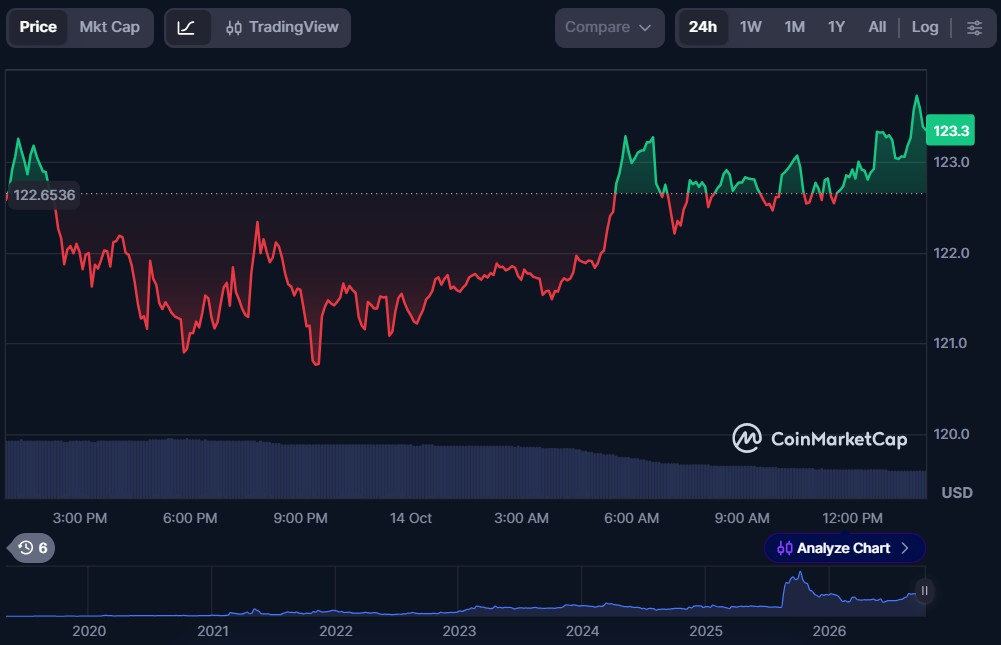
OKB is the native utility token powering the OKX ecosystem, offering users a wide range of benefits across the platform. Introduced in 2018, OKB provides advantages such as reduced trading fees, staking opportunities, participation in token launch events, and access to exclusive platform features. The token plays an important role across OKX’s trading, DeFi, and Web3 services, while also supporting integrations with various blockchain networks and smart contract applications. Over time, OKB has evolved beyond an exchange utility token into a broader ecosystem asset with multiple use cases within the digital asset space.
Mantle (MNT)
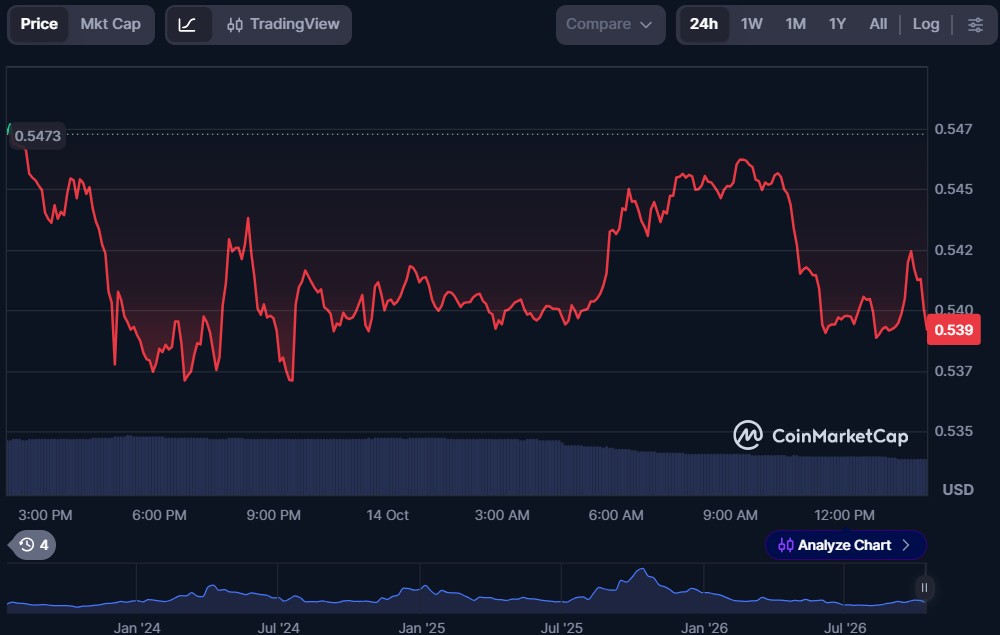
It is a rapidly emerging layer-2 scaling token built on Ethereum, designed to power the Mantle network, a modular execution layer focused on enhancing scalability and transaction efficiency for dApps. Mantle aims to reduce costs, increase throughput, and support advanced features such as tokenization services for real-world assets (RWA). Mantle’s ecosystem expands beyond simple transaction execution, offering infrastructure like Tokenization-as-a-Service (TAAS) and integrating with stablecoin systems to support regulated asset issuance. The MNT token plays a central role in network economics, governance, and potentially future utility models as the Mantle ecosystem grows.
Also Read: CBDC vs Crypto: Future of Digital Currency Explained
Polygon [prev. MATIC] (POL)
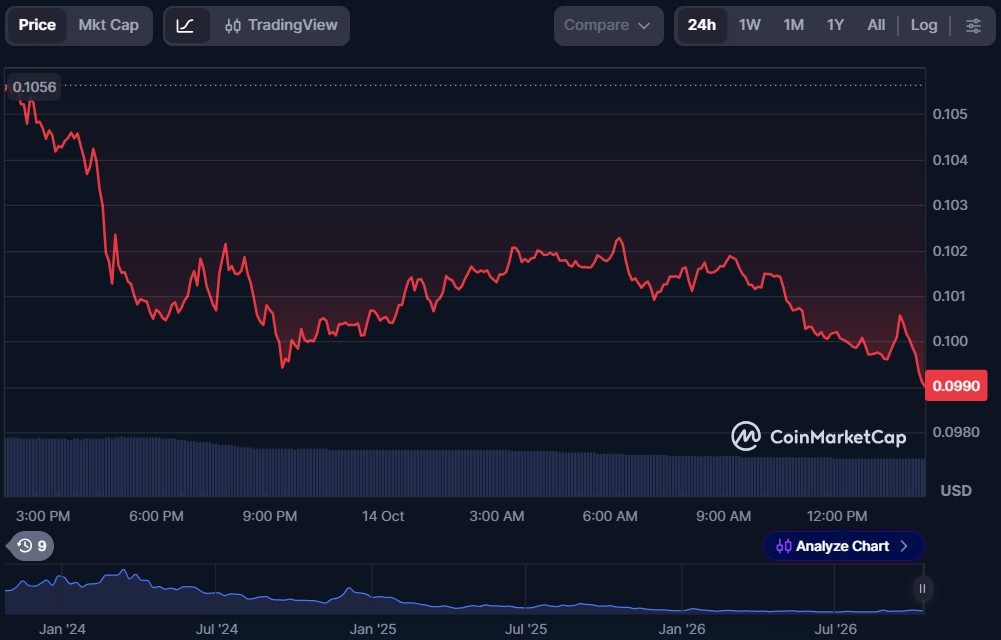
It is the native token of the Polygon ecosystem, previously known as MATIC, powering a suite of scaling solutions built to improve Ethereum’s performance and interoperability. POL supports high-throughput and low-cost transactions across Polygon’s multi-chain infrastructure, helping developers deploy dApps and seamlessly connect to Ethereum’s security. Following the upgrade and rebranding from MATIC, the POL token now serves as the central asset for staking, network security, and governance across Polygon’s expanding family of Layer-2 and Layer-3 chains. Its enhanced role is designed to facilitate multi-chain validation and empower holders to participate in decisions shaping the ecosystem’s future.
Arbitrum (ARB)
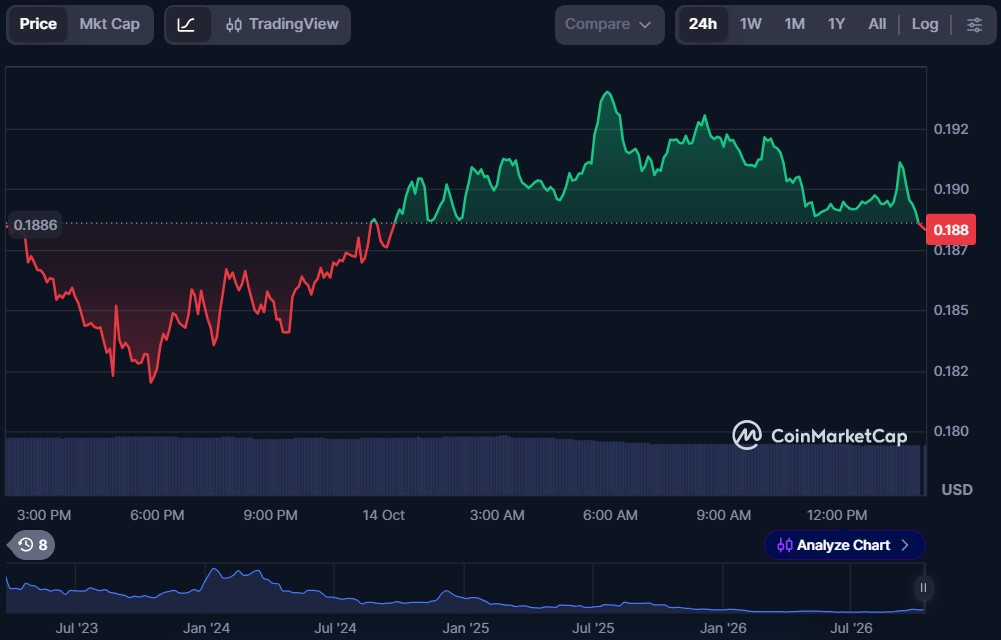
It is an inventive L2 initiative, enabling individuals to construct projects on Ethereum, the prominent layer-1 blockchain. Built by Offchain Labs, the project utilizes rollup technology, consolidating numerous transactions into a single entity, resulting in enhanced scalability and reduced on-chain transaction expenses. Furthermore, Arbitrum’s native token, ARB, plays a pivotal role in the ecosystem, allowing users to engage in protocol development decisions and fund distribution through voting. The platform simplifies the transfer of Ethereum to Arbitrum via a bridge, facilitating exchanges with other platforms as well.
Stacks (STX)
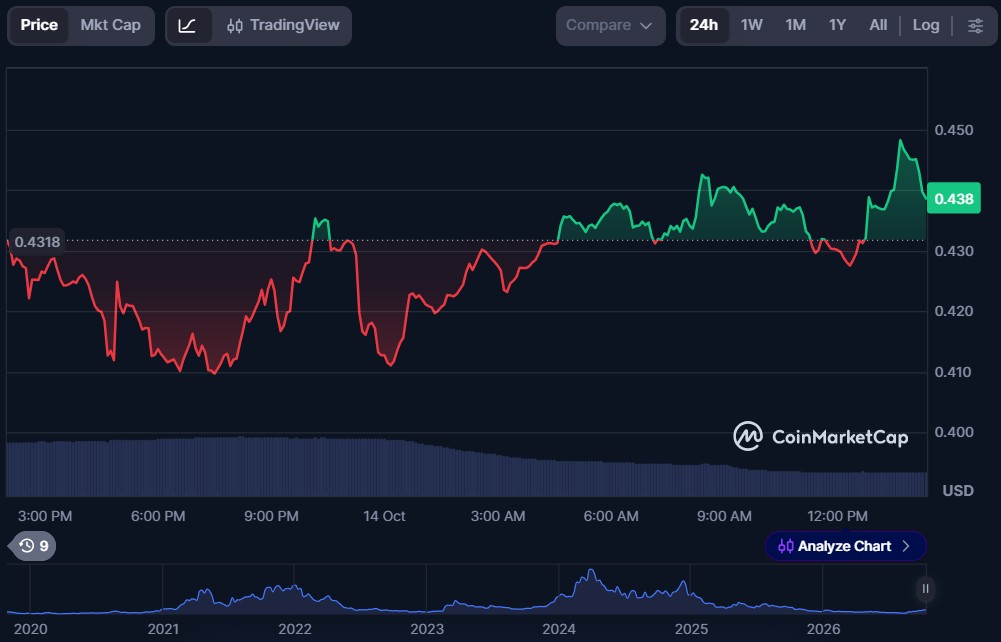
It is the native token of the Stacks network, a blockchain that brings smart contracts, decentralized applications (dApps), and DeFi functionality to Bitcoin by anchoring its operations to Bitcoin’s security. The Stacks protocol enables developers to build Web3 applications that interact with Bitcoin while inheriting its robustness. STX is used to pay transaction fees, support network consensus through Stacking (which can reward participants with Bitcoin), and participate in ecosystem governance and incentives. By bridging Bitcoin’s security with programmable features, Stacks expands the utility of Bitcoin beyond a store of value.
Immutable (IMX)
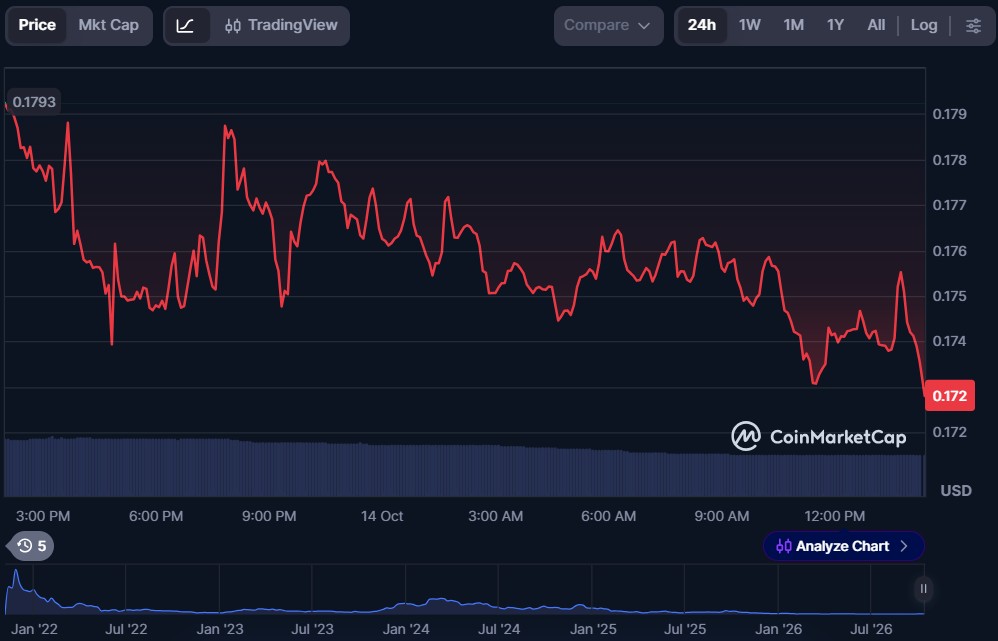
It is a dedicated Ethereum-based layer-2 network focused on enabling high-performance NFT infrastructure and Web3 gaming experiences. Built using zero-knowledge rollup technology, Immutable allows users and developers to build, mint, trade, and interact with digital assets and games while benefiting from Ethereum’s security and dramatically reduced transaction costs. The platform offers tools, APIs, and developer-focused infrastructure that make it easier to launch NFT projects, gaming economies, and digital marketplaces with fast, scalable transactions and near-zero gas fees. IMX is the native utility token of the network, used for paying protocol fees, staking for rewards, and participating in governance across the expanding Immutable ecosystem, which supports hundreds of integrated projects in the NFT and gaming space.
Optimism (OP)
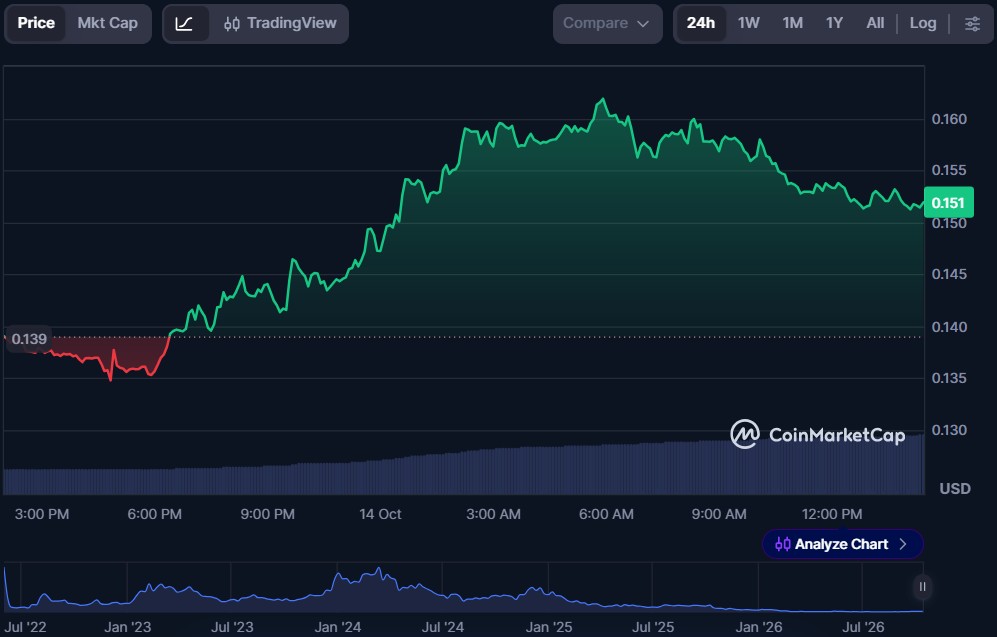
It serves as a layer-2 scaling solution on the Ethereum network, designed to lower transaction costs and latency while preserving Ethereum’s strong security guarantees. Built as an extension of Ethereum, Optimism enables users and developers to benefit from the base layer’s decentralised security at a fraction of the cost typically seen on the mainnet. Using Optimistic Rollup technology, it batches large amounts of transaction data and posts them to Ethereum, resulting in significantly more cost-effective and faster transactions compared with executing directly on the base chain. While other L2 solutions like Arbitrum and Base also have large TVL figures, Optimism continues to be a major player in scaling Ethereum and supports widely used projects including Velodrome, Aave, Curve, and Uniswap.
Also Read: Smart Contracts: An Overview of the Futures of Transactions
Starknet (STRK)
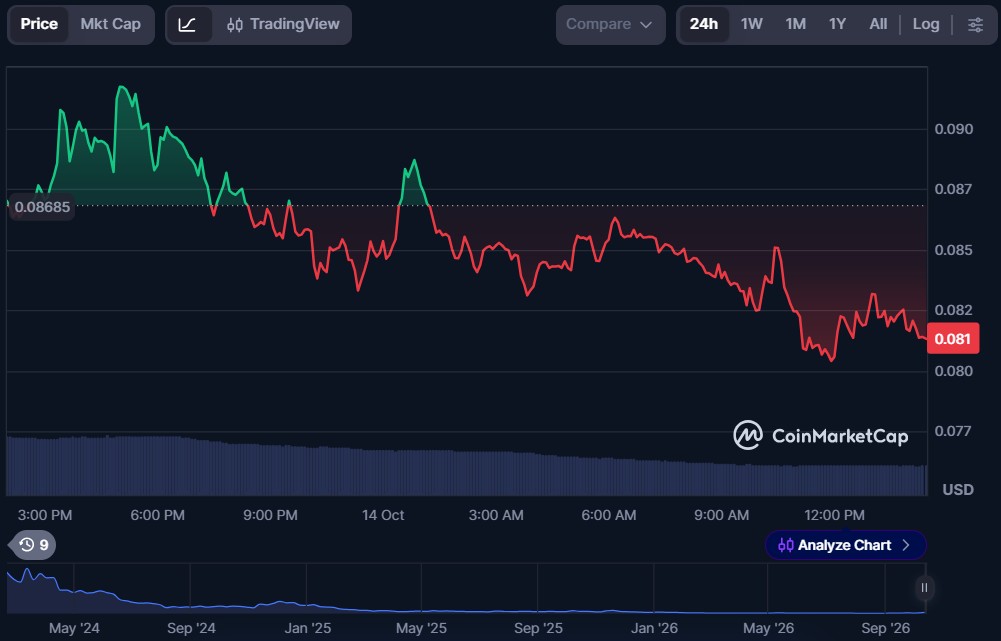
It is the utility and governance token of Starknet, a decentralized Layer-2 network built on Ethereum that uses zero-knowledge (ZK) rollup technology to scale the base chain. Starknet processes transactions off-chain and attests their validity to Ethereum, enabling lower fees, faster execution, and robust security for decentralized applications. STRK supports core network functions, including paying transaction fees, participating in governance decisions, and contributing to network security through planned staking mechanisms. This token plays a key role in driving Starknet’s decentralization and long-term growth as a high-performance Ethereum scaling solution.
SOON (SOON)
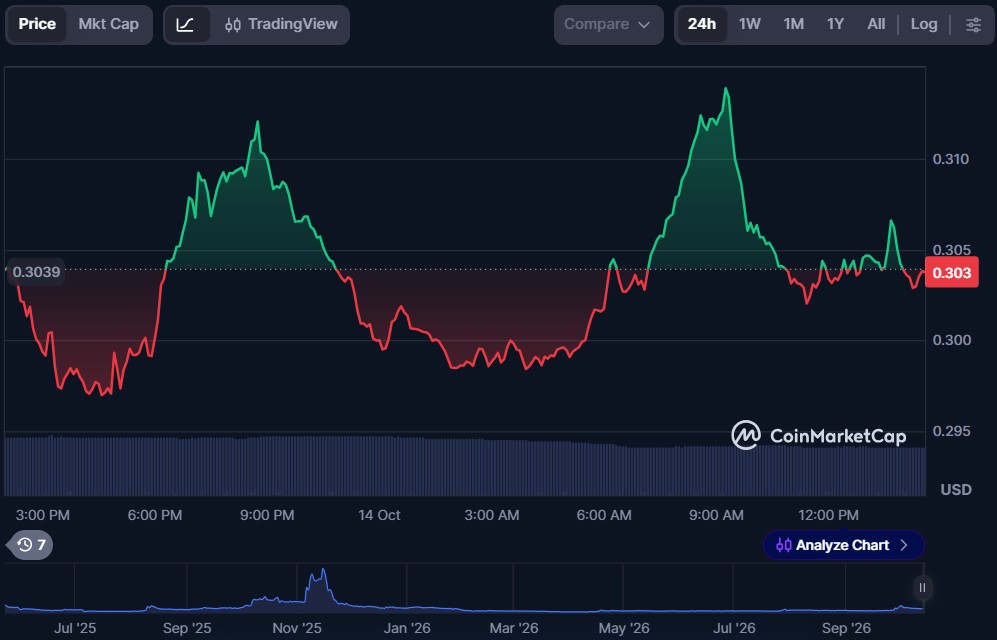
SOON is the native utility and governance token of the SOON ecosystem, designed to support a high-performance blockchain infrastructure powered by scalable Solana Virtual Machine (SVM) rollups. Launched alongside the SOON Alpha Mainnet in 2025, the token enables a variety of on-chain functions, including staking, governance participation, transaction-related activities, and ecosystem iin initiatives that encourage developer and community engagement. Serving as the core asset across SOON Mainnet, SOON Stack, and other ecosystem applications, SOON plays a key role in powering the network and fostering its continued growth and adoption.
Also Read: What is an Automated Market Maker?
ZKsync (ZK)
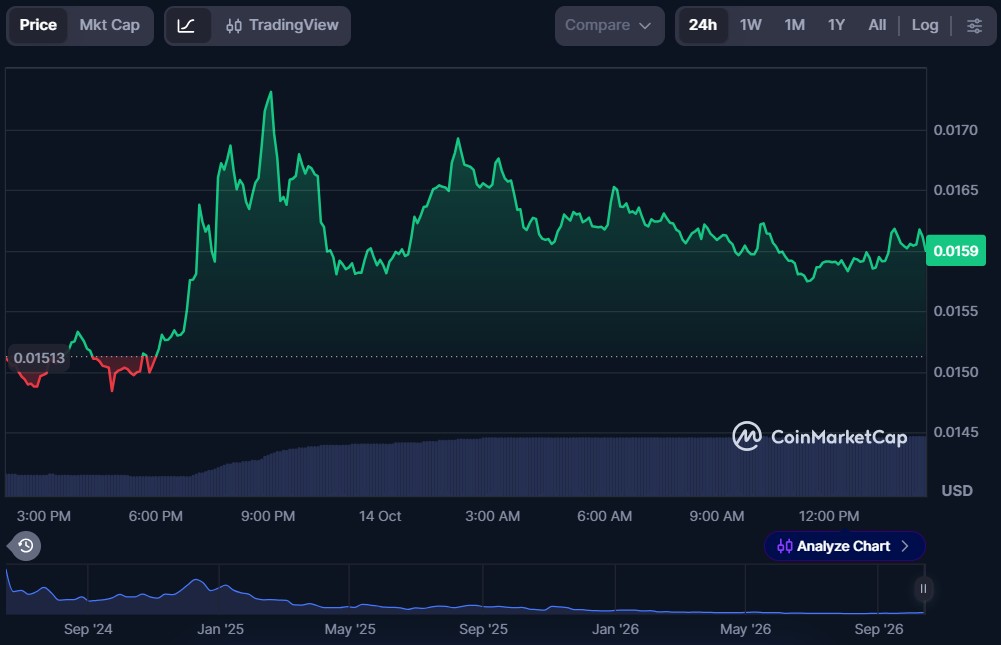
It operates as a layer-2 protocol that uses zero-knowledge rollup (zk-rollup) technology to scale Ethereum by processing transactions off-chain and submitting cryptographic proofs to the mainnet. This allows zkSync to deliver faster and much cheaper transactions while preserving Ethereum’s foundational security and decentralisation. zkSync is designed as a trustless, scalable network where transaction validity is ensured through zero-knowledge proofs, meaning users’ funds remain as secure as if they were on Ethereum’s base layer. The protocol has evolved into the zkSync Era ecosystem, which supports EVM-compatible smart contracts and enables developers to deploy dApps with minimal changes from Ethereum.
Also Read: 10 Best Cryptos to Buy Under $1 in 2026
Should I Invest in Layer-2 Crypto Projects?
The growing demand for blockchain-based applications has increased the need for infrastructure that can handle more activity without making transactions slower or more expensive. Layer-2 networks are helping meet this demand by adding capacity to existing Layer-1 blockchains. Their ability to improve transaction speed and efficiency is supporting use cases across decentralised applications (dApps), DeFi, blockchain gaming, and other areas of Web3. As adoption continues to expand, L2 infrastructure could become increasingly important to the way blockchain ecosystems scale.
That growth does not make Layer-2 tokens free from risk. Their performance can be influenced by broader market conditions as well as technological progress, competition between scaling solutions, and changes in regulation. Each project also differs in terms of its architecture, adoption, developer and user activity, ecosystem strength, token utility, and long-term viability. Investors should therefore evaluate these factors individually, conduct thorough research, and consider their financial goals and risk tolerance before making investment decisions.
Unravel everything that you need for your crypto journey via ZebPay blogs. Get started today and join 6 million+ registered users on ZebPay!
FAQs
What exactly is a Layer-2 blockchain, and why does it exist?
Layer-2 blockchains are built on top of an existing Layer-1 network (like Ethereum) to solve its scalability limitations. They process transactions off the main chain and periodically settle results back to it, dramatically increasing speed and reducing fees — without sacrificing the security of the underlying base layer.
What are the different types of Layer-2 solutions?
The main types include:
– Rollups (Optimistic & ZK-Rollups) — bundle multiple transactions and post them to Layer-1
– State Channels — allow parties to transact off-chain and only settle the final state on-chain
– Plasma — creates child chains anchored to the main chain
– Validium — similar to ZK-Rollups but stores data off-chain for even lower costs
Today, rollups (especially ZK-Rollups) are considered the gold standard.
What are the most popular Layer-2 cryptos right now?
The leading Layer-2 projects include Polygon (POL), Arbitrum (ARB), Optimism (OP), zkSync, StarkNet (STRK), and Base (developed by Coinbase). Each uses a different technical approach, but all aim to make Ethereum faster and cheaper for everyday users and developers.
How is a Layer-2 token different from Ethereum (ETH)?
ETH is the native currency of the Ethereum base layer, used for securing the network and paying gas fees on Layer-1. Layer-2 tokens like ARB or OP are used for governance, fee payments, or staking within their specific ecosystems. You often still need ETH to bridge assets between Layer-1 and Layer-2.
Are Layer-2 blockchains secure enough to trust with real money?
Generally, yes — especially rollup-based Layer-2s, since they inherit Ethereum’s security by posting transaction data back to the main chain. However, risks still exist, including smart contract bugs, bridge vulnerabilities, and varying degrees of decentralization. Always research a project’s audit history and how long it has been running in production before committing significant funds.