

As Ethereum adoption grows, the network faces increasing demand for transaction capacity while continuing to maintain its security and decentralisation. Layer 2 solutions have emerged as an important part of the answer, with rollups becoming one of the most widely used approaches to scaling Ethereum. By processing transactions away from the Ethereum mainnet and then submitting compressed or bundled transaction data back to it, rollups can increase throughput and reduce costs while continuing to benefit from Ethereum’s underlying security.
The rollup ecosystem is broadly divided into two approaches. Optimistic rollups assume transactions are valid by default and provide a mechanism for challenging transactions that are found to be invalid. Zero-knowledge (ZK) rollups, on the other hand, use cryptographic proofs to verify transaction validity before the data is submitted to the Ethereum network. Both approaches have become integral to Ethereum’s scaling ecosystem as the network continues to support a growing number of users, developers, and decentralised applications (dApps).
For developers and investors, understanding how these approaches differ can provide useful context when evaluating Layer 2 infrastructure. This article examines five leading rollup-based crypto projects contributing to Ethereum’s scaling ecosystem, selected based on their transaction-processing capabilities, security architecture, network reliability, and ecosystem development.
Also Read: What is a ZK Rollup?
What are Rollups?
Rollups are Layer 2 solutions designed to help blockchains handle higher transaction demand without requiring every transaction to be processed directly on the base layer. On networks such as Ethereum, they execute transactions outside the main chain, bundle multiple transactions together, and submit the relevant data back to the Ethereum mainnet. By reducing the computation required on the base layer, rollups can increase transaction throughput and lower gas costs while continuing to leverage the underlying blockchain’s security.
This combination of scalability and base-layer security has made rollups a key part of Ethereum’s Layer 2 ecosystem. As more users and developers interact with decentralised applications (dApps), rollups provide a way to support faster and more cost-efficient transactions while continuing to rely on Ethereum as the underlying settlement layer.
Rollup technology is primarily divided into two categories: optimistic rollups and zero-knowledge (ZK) rollups. Optimistic rollups assume transaction batches are valid unless they are challenged, while ZK rollups use cryptographic proofs to verify their validity. The two approaches can differ significantly in areas such as transaction costs, confirmation times, withdrawal periods, and technical requirements, making these distinctions important when developers and blockchain projects evaluate Layer 2 solutions.
Also Read: The Settlement Revolution – Why Speed is Becoming Crypto’s Biggest Advantage
Top 5 Rollup Tokens
| Token | Current Price | Market Capitalization | 24-Hour Volume |
| Arbitrum (ARB) | $0.1949 | $1.32 billion | $162.39 million |
| Starknet (STRK) | $0.1065 | $791.15 million | $524.38 million |
| Immutable (IMX) | $0.1887 | $377.11 million | $11 million |
| ZKsync (ZK) | $0.01569 | $172.18 million | $58.61 million |
| Nervos Network (CKB) | $0.001634 | $81.46 million | $134.10 million |
Note: This list has been made based on internal research and should not be taken as investment advice. Investors should do their thorough research before buying or selling crypto assets.
Arbitrum (ARB)
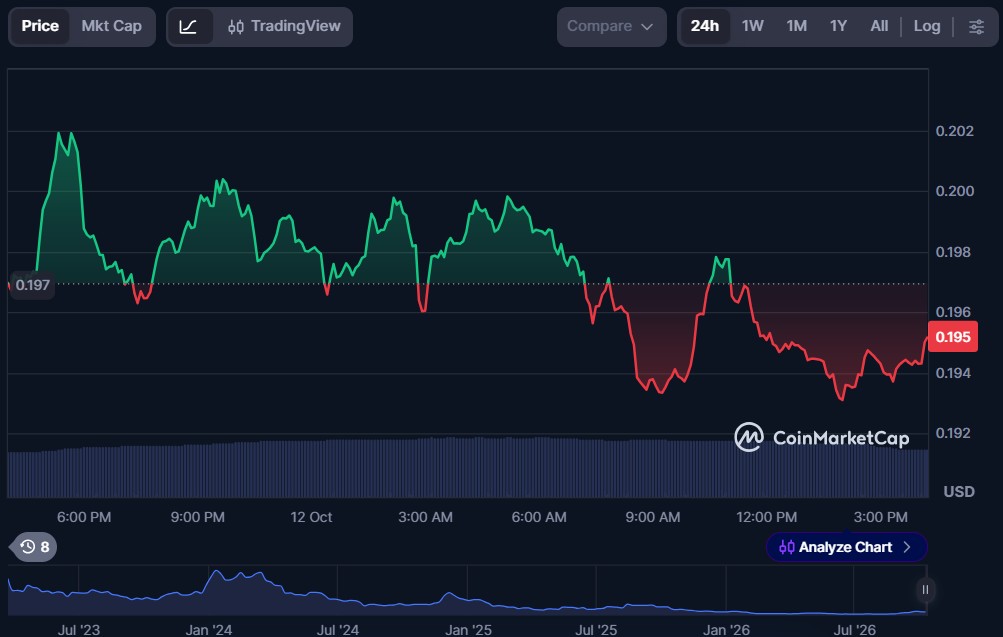
Arbitrum is a leading rollup-based scaling solution built on Ethereum, designed to enhance transaction speed and reduce costs through optimistic rollup technology. It enables developers to deploy decentralised applications with minimal changes while benefiting from Ethereum’s security. The ARB token supports governance within the ecosystem, allowing holders to participate in key protocol decisions as Arbitrum continues to expand its role in scaling DeFi and Web3 applications.
Starknet (STRK)
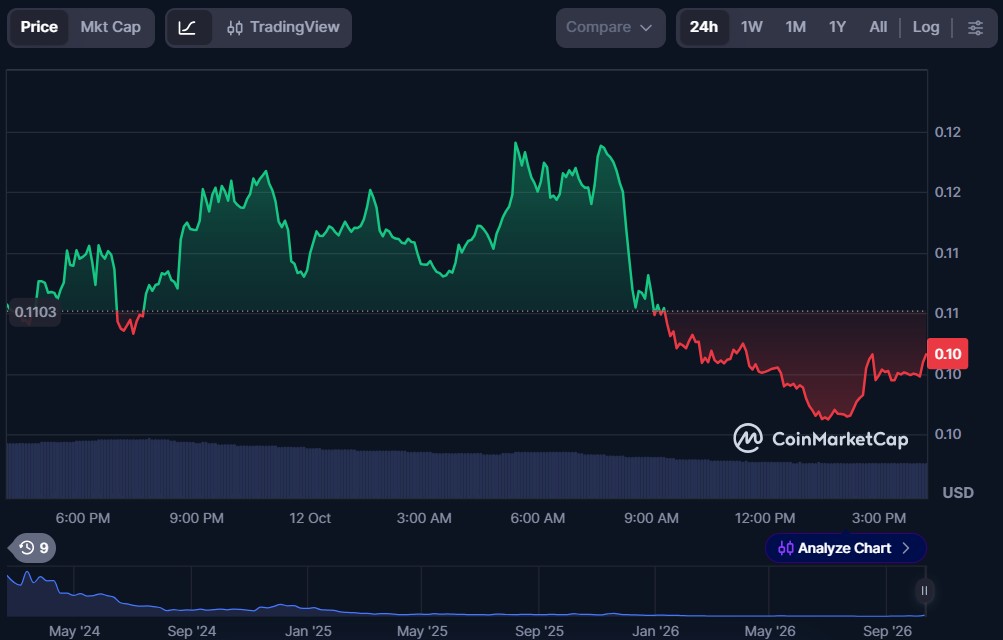
Starknet is a decentralised rollup network that leverages zero-knowledge proofs to deliver scalable and secure transactions on Ethereum. Designed for high performance, it allows developers to build complex decentralised applications with improved efficiency. The STRK token plays a role in governance, staking, and network participation, supporting Starknet’s vision of enabling scalable and trustless computation at scale.
Immutable (IMX)
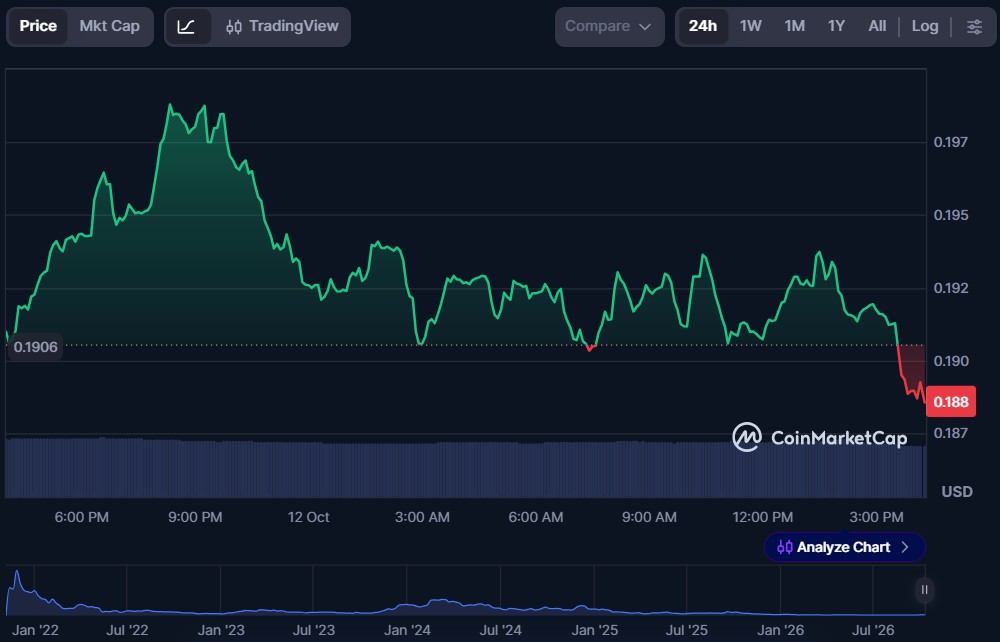
Immutable is a rollup-based platform focused on scaling NFT and gaming applications on Ethereum. Using zero-knowledge rollup technology, it offers high-speed transactions with low fees, making it suitable for digital asset trading and in-game economies. The IMX token is used for transaction fees, staking, and governance, while also supporting a growing ecosystem of gaming and NFT projects built on its infrastructure.
Also Read: What is a DEX?
ZKsync (ZK)
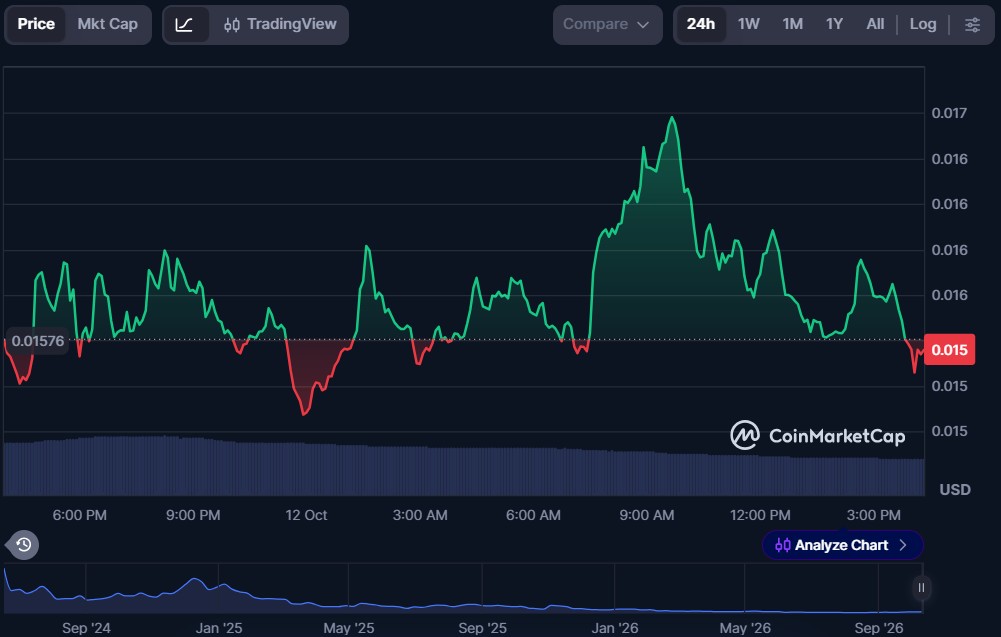
ZKsync is a Layer-2 rollup solution that uses zero-knowledge technology to enable fast and cost-efficient transactions while maintaining strong security guarantees from Ethereum. It focuses on user-friendly scalability, supporting seamless transfers and decentralised applications. The ZK token is integrated into the ecosystem for governance and network operations, contributing to the protocol’s growth and adoption.
Also Read: Top 10 Metaverse Coins in 2026
Nervos Network (CKB)
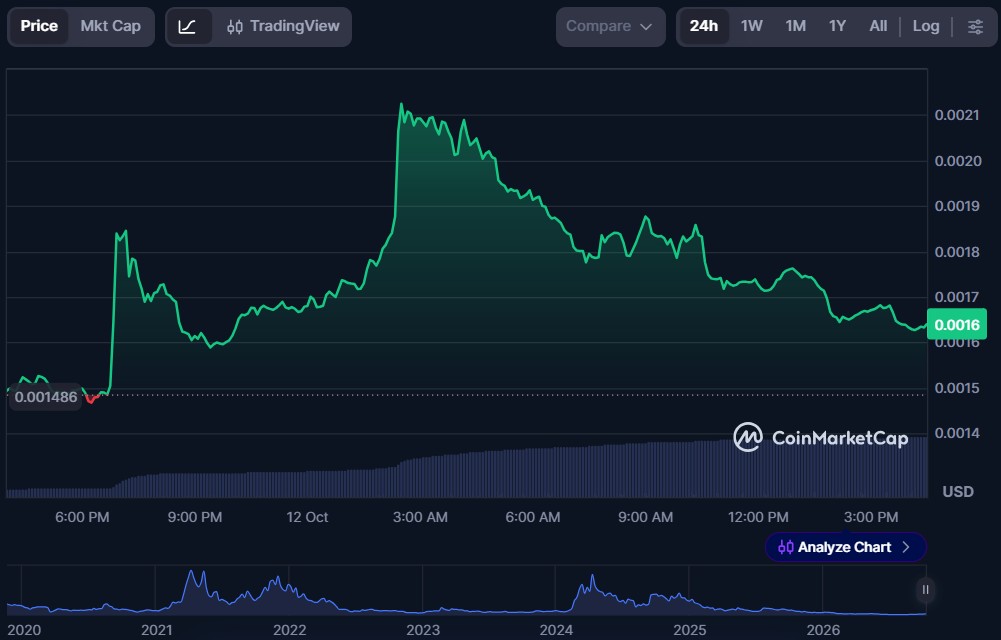
Nervos Network is a blockchain platform built to address key limitations in the crypto space, such as scalability, interoperability, and long-term security. At its core is the Common Knowledge Base (CKB), a Layer-1 blockchain that focuses on maintaining decentralization while supporting efficient transaction processing through a layered architecture. The ecosystem allows developers to create decentralized applications that can seamlessly connect with different blockchain networks.
Also Read: What is Web3?
Conclusion
The continued expansion of Ethereum’s ecosystem has made Layer 2 scaling increasingly important, with rollups playing a central role in supporting higher transaction activity and more efficient network usage. The projects discussed in this article highlight some of the notable solutions within this space, chosen for their scalability, security infrastructure, user adoption, and ecosystem development. While they share the broader goal of improving Ethereum’s capacity, each project approaches the challenges of Layer 2 scaling in its own way.
Looking ahead, ongoing development across both optimistic and zero-knowledge (ZK) rollups could lead to further advances in transaction efficiency, costs, interoperability, and the overall developer experience. As these technologies mature, understanding how leading rollup-based crypto projects operate can help developers, investors, and Web3 users better assess the direction of Ethereum’s Layer 2 ecosystem and the broader evolution of decentralised infrastructure.
In the grand scheme of things, ZebPay blogs are here to provide you with crypto wisdom. Get started today and join 6 million+ registered users to explore endless features on ZebPay!
FAQs on Rollup Coins
What are rollup coins?
Rollup coins are crypto tokens associated with rollup-based Layer-2 solutions that help scale blockchain networks like Ethereum. These solutions process transactions off-chain and submit them in batches to the main network, improving speed and reducing costs.
How do rollups improve blockchain scalability?
Rollups enhance scalability by handling a large number of transactions off the main chain and then settling them collectively on the base layer. This reduces network congestion and increases transaction throughput while maintaining security.
What are the main types of rollups?
The two primary types of rollups are optimistic rollups and zero-knowledge (ZK) rollups. Optimistic rollups assume transactions are valid unless challenged, while ZK rollups use cryptographic proofs to verify transactions before they are finalised.
Are rollup coins secure?
Rollup-based systems are generally considered secure as they inherit the security of the underlying blockchain, such as Ethereum. However, like all crypto technologies, they still carry risks and depend on proper implementation and adoption.
Why are rollup coins important for the future of crypto?
Rollup coins play a key role in enabling scalable and cost-efficient blockchain usage. As adoption grows, they support the expansion of decentralised applications, making crypto networks more accessible and practical for everyday use.