




India has rapidly embraced crypto investing as part of a broader digital-first investment culture, especially through app-based, small-ticket investing habits (similar to stock SIPs and micro-investing). Chainalysis’ Global Crypto Adoption Index has ranked India #1, reflecting deep participation across retail activity and DeFi usage, and signaling that crypto is no longer a niche asset class in the country.
At the same time, many investors now prefer a systematic approach instead of trying to time the market. That is where a crypto sip (systematic investment plan-style recurring buy) comes in, helping people invest steadily into digital assets with less day-to-day decision pressure.
Growing Crypto SIP Users
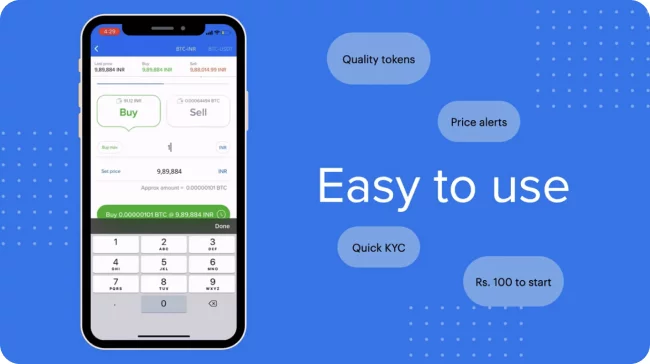
Crypto SIP adoption in India expanded sharply in 2025, with reports highlighting 60%+ growth in crypto SIP users, and many users beginning with monthly investments as low as ₹100–₹500. This trend matters because it shows crypto SIPs aren’t only for high-capital traders; they are increasingly being used as a “first step” into crypto investing.
A key driver behind this growth is behavioural: SIPs reduce the temptation to buy only during hype cycles, and they normalize investing as a recurring habit. Another driver is accessibility, recurring buys fit India’s UPI-led payment culture and the broader shift toward small, frequent contributions (instead of large one-time purchases).
One more reason SIPs are spreading is that they help investors manage crypto’s volatility through rupee-cost averaging. When prices fall, the same SIP amount buys more units; when prices rise, it buys fewer. This can reduce the average purchase cost over time compared with trying to “guess” the best entry.
Read: How to Invest in Crypto SIP? Step-by-Step Guide
Automated SIP Tools
In practice, a crypto SIP is typically an automated recurring purchase (daily/weekly/monthly) of selected digital assets, executed at market price. This automation reduces manual errors, like forgetting to invest, delaying decisions, or panic-selling during short-term dips.
What makes SIP tools “safer” (or riskier) is not the automation itself, but how the tool is implemented:
- Frequency controls help match the SIP to cash flow (weekly salary vs monthly budgeting).
- Asset selection controls matter because investing the same SIP amount into a highly volatile, low-liquidity token is very different from investing in large, established assets.
- Pause/edit options are important during personal cash crunches or extreme market conditions so investors don’t feel “locked in.”
A practical way to evaluate SIP safety is to check whether the SIP tool provides clear order history, average cost visibility, and transparent execution (so users know what price they bought at and when). Transparency becomes especially important in India because SIP users often need clean records for tax filing under the VDA framework.
Institutional Investors Participation
Alongside retail SIP growth, 2025 also saw stronger institutional engagement in India’s crypto ecosystem, with exchanges and platforms reporting rising year-on-year participation from professional and large-ticket investors. This matters for SIP users because institutional participation typically improves liquidity, market depth, and infrastructure maturity, although it does not eliminate volatility.
Institutional growth also pushes exchanges to improve custody practices, compliance systems, and reporting, because larger investors demand stronger controls and transparency. Over time, this can make the overall investing environment safer for systematic products like SIPs, especially when platforms invest in audit readiness, risk controls, and clearer disclosures.
That said, SIP users should not assume “institutions are buying” means “prices won’t fall.” Crypto markets can still swing sharply due to global macro events, regulation updates, or large liquidations, so SIP safety still depends on personal time horizon and risk capacity.
Read more: Matt Hougan Signals Bullish Outlook for Crypto in 2026
Tax and Regulations in India
Crypto SIP safety in India is inseparable from the country’s tax and compliance rules for Virtual Digital Assets (VDAs). Under the VDA tax framework introduced from the Union Budget 2022 and continued in subsequent budgets, profits from the transfer of VDAs are taxed at a flat 30%, plus applicable surcharge and cess, with limited deductions (generally only cost of acquisition).
Additionally, India applies 1% TDS on certain crypto transactions under Section 194S (subject to thresholds), which is designed to create an audit trail of trades and improve compliance visibility. This TDS applies to transaction value (not profit), so frequent transactions can create cashflow friction; SIP users should account for how recurring buys and eventual sells may impact TDS credits and filing.
From a safety perspective, these rules create two important implications:
- Record-keeping is mandatory, so investors should prefer platforms that provide clear transaction exports and tax-ready statements.
- Short-term churning is punished because losses generally can’t be set off against other income, which makes “over-trading” riskier than disciplined long-term accumulation.
Finally, compliance expectations for exchanges increased after FIU-IND oversight expanded (KYC/AML tightening). For SIP users, this typically means better onboarding checks and monitoring, an inconvenience sometimes, but also a reduction in fraud and misuse risks at the ecosystem level.
Conclusion
Crypto SIPs can be safe in India when treated as a long-term, risk-managed accumulation strategy, especially because SIP adoption is growing quickly and more investors are starting with small amounts like ₹100. The real safety comes from disciplined asset selection, understanding volatility, and using a compliant platform that provides transparent execution and reliable records for taxes.
The biggest mistakes usually come from treating a SIP as a guaranteed-return product or ignoring India’s VDA tax/TDS mechanics until tax season. A well-structured SIP plan should focus on consistency, diversification, and clear documentation, so the investor is prepared both for market swings and for compliance.
In the grand scheme of things, ZebPay blogs are here to provide you with crypto wisdom. Get started today and join 6 million+ registered users to explore endless features on ZebPay!
FAQs
Is SIP safe in crypto compared to a one-time lump sum buy?
A crypto SIP can be safer than a lump sum for volatility management because it spreads purchases over time and reduces the impact of bad timing, although it cannot remove market risk.
Are SIPs safe during a crypto crash?
SIPs can help during drawdowns by buying more units at lower prices, but they are only “safe” if the investor has a long time horizon and is investing an amount they can continue comfortably.
Is it safe to invest in SIP in India with ₹100 per month?
Starting small can reduce financial stress and help build the habit, and reports show many Indian SIP users begin at ₹100–₹500; however, the same crypto volatility applies regardless of amount.
How do you judge whether a crypto SIP platform is trustworthy?
Look for strong compliance posture (KYC/AML), transparent transaction history, downloadable reports for tax filing, and clear fee disclosures so SIP execution is auditable.