

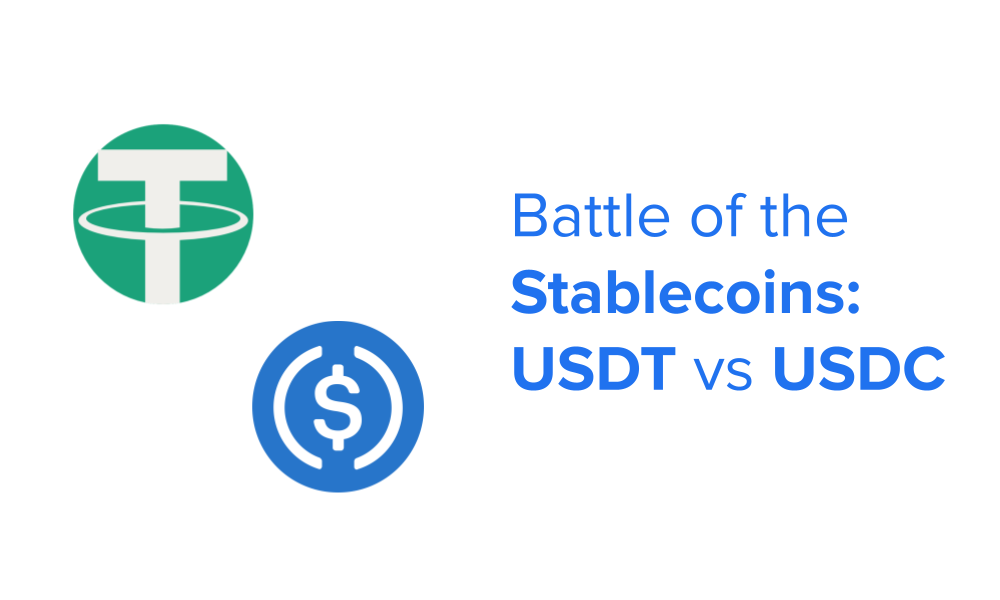
USDC and USDT are cryptocurrencies known as stablecoins because their value is pegged 1:1 to the U.S. dollar, meaning each coin is designed to maintain a stable price equal to one USD. Unlike traditional crypto assets, stablecoins are created to reduce volatility and provide price stability within the otherwise fluctuating crypto market. While USD-backed stablecoins like USDC and USDT are the most common, stablecoins can also be backed by other assets such as gold or other currencies.
USD-pegged stablecoins give traders a reliable way to enter and exit positions without exposure to typical crypto price swings, essentially acting as a store of value and a medium of exchange within decentralized finance and trading ecosystems. Because the U.S. dollar remains the world’s dominant reserve currency, USD-backed stablecoins have become a foundational part of crypto liquidity and trading infrastructure.
Stablecoins have surged in popularity over the past few years, and the total stablecoin market has grown to exceed $300 billion in market capitalization, with USDT and USDC together accounting for the vast majority of that supply. USDT, launched in 2014, remains the largest stablecoin by market cap and liquidity, while USDC, introduced in 2018, is widely recognised for its regulatory compliance and transparency.
In this article, we will explore the differences between the two leading USD-pegged stablecoins, comparing USDC vs USDT, explaining what is USDC vs USDT, and outlining key aspects of the USDT vs USDC difference to help you understand their respective roles, use cases, and the value each brings to the cryptocurrency ecosystem.
A Snapshot of USDT vs USDC
| Factor | USDT | USDC |
| Issuing Organization | Tether | Circle and Coinbase |
| Market Capitalization | $187.10 billion | $75.93 billion |
| Launched Year | 2014 | 2018 |
| Value Per Coin | $0.9987 | $0.9996 |
What is USDC?
USDC was launched in 2018 by Circle in partnership with Coinbase. It maintains a stable value of $1 and is fully backed by reserves held in USD or approved cash equivalents. The issuance and governance standards were initially overseen by the Centre Consortium, ensuring transparency through a strict 1:1 collateral system—meaning every USDC in circulation is supported by one U.S. dollar held in reserve.
USDC can be minted only by regulated financial institutions that meet Circle’s compliance and reserve requirements, which helps maintain trust and scalability across the ecosystem. Today, USDC is widely supported on major crypto exchanges, wallets, and platforms. Originally deployed as an ERC-20 token on Ethereum, it has since expanded to multiple blockchains including BNB Chain, Solana, Algorand, Stellar, Hedera, and others, making transfers faster, cheaper, and more accessible across networks.
USDC Volume
USDC currently has a circulating supply of approximately 76 billion tokens, with a 24-hour trading volume of around $10 billion at the time of writing.
USDC Stability
USD Coin usually stays near its $1 peg, often around $0.9996, with occasional small deviations that are quickly corrected to keep its value stable.
What is USDT?
USDT (Tether) was first issued in 2014 by Hong Kong-based Tether Limited, making it one of the earliest stablecoins in the market. It was created to bridge the gap between traditional fiat currency and digital assets, allowing users to trade a cryptocurrency pegged to the U.S. dollar. With its high liquidity and stable value, USDT brought the familiarity of fiat to blockchain transactions without the volatility seen in assets like Bitcoin or Ethereum.
By enabling fast, low-cost transfers of dollar-equivalent value, Tether unlocked new use cases in payments, remittances, and trading. Its early launch gave it a strong first-mover advantage, and soon, most crypto trading pairs began listing against USDT—cementing its role as a core liquidity asset in the market. Today, USDT is available across multiple major blockchains including Ethereum, Bitcoin (via Omni), Algorand, EOS, Tron, and others, making it widely accessible across the crypto ecosystem.
USDT Volume
USDT currently has a circulating supply of about 187 billion tokens, with a 24-hour trading volume of roughly $72 billion at the time of writing.
USDT Stability
USDT typically trades very close to $1.00, often around $0.9987, with small fluctuations that are generally corrected quickly to maintain its peg.
USDC vs USDT
The Blockchain Behind USDC vs USDT
Different blockchains offer different benefits for stablecoin users — from faster transactions to lower fees and wider utility. USDC is commonly available on networks like Ethereum, Solana, and Algorand, enabling flexible transfer options depending on user needs. USDT, on the other hand, is supported across an even broader range of blockchains including Ethereum, Tron, Algorand, EOS, OMG, SLP, and Bitcoin (via Omni), giving it wider interoperability across the crypto ecosystem.
Read more: Advantages And Disadvantages Of Different Types Of Blockchain
USDC vs USDT Fees
Both USDC and USDT can be bought or sold on crypto exchanges just like any other token, and transaction fees may vary depending on the platform used.
Use of USDC and USDT
Stablecoins such as USDC and USDT serve multiple roles in the crypto ecosystem, including storing value, enabling smooth payments, and accessing yield opportunities in DeFi. Here are some popular use cases.
Using DeFi for Lending
Decentralized finance, or DeFi, refers to an ecosystem operating without a third party or central administration. It comprises blockchain-based financial applications and works on a peer-to-peer model. You can lend your stablecoins to a borrower and earn interest with DeFi lending. This system benefits lenders and borrowers as it allows users to obtain lower-interest loans than the decentralized exchange. Lenders can also earn long-term interest on their stablecoins.
Crypto Pairs
Trading crypto pairs allows users to exchange one digital asset for another directly on an exchange. It also helps compare asset values — for example, the BTC/USDT pair shows how much USDT is equivalent to one Bitcoin.
Liquidity
Users can also provide liquidity on AMM-based decentralized exchanges (DEXs) using stablecoins. For example, depositing USDC into an ETH/USDC liquidity pool allows users to earn trading fees and potential rewards from the platform.
Earn Interest
You can also earn interest on USDC and USDT by lending your stablecoins for a fixed duration through platforms or exchanges that offer lending services. If you’re exploring earning opportunities, ZebPay also provides an Earn feature, allowing users to lend and earn returns on supported assets conveniently.
Concluding Thoughts
If you’re wondering what is USDC vs USDT and which one you should choose, here’s a clear comparison. Even though USDT leads in market cap and trading volume, it has faced criticism over transparency and auditing clarity. In contrast, USDC is known for offering higher transparency and regulatory oversight, while still being similar in usability, speed, and blockchain support. When looking at the USDC vs USDT debate, USDC tends to be preferred by investors who prioritise trust and transparency, while USDT is commonly chosen for liquidity, accessibility, and high-volume trading.
Both stablecoins hold a major share of the market, making them strong options for anyone interested in entering the stablecoin space. As adoption rises globally — including real-world integrations like Visa working with Circle — the USDT vs USDC difference will continue to shape how traders and institutions use stablecoins. With demand growing steadily, now could be an ideal time to explore stablecoin opportunities.
In the grand scheme of things, ZebPay blogs are here to provide you with crypto wisdom. Get started today and join 6 million+ registered users to explore endless features on ZebPay!
FAQs on USDT vs USDC
USDC vs USDT Fees
Both USDC and USDT can be bought or sold on crypto exchanges just like any other token, and transaction fees may vary depending on the platform used.
Use of USDC and USDT
Stablecoins such as USDC and USDT serve multiple roles in the crypto ecosystem, including storing value, enabling smooth payments, and accessing yield opportunities in DeFi. Here are some popular use cases.
Using DeFi for Lending
Decentralized finance, or DeFi, refers to an ecosystem operating without a third party or central administration. It comprises blockchain-based financial applications and works on a peer-to-peer model. You can lend your stablecoins to a borrower and earn interest with DeFi lending. This system benefits lenders and borrowers as it allows users to obtain lower-interest loans than the decentralized exchange. Lenders can also earn long-term interest on their stablecoins.
Crypto Pairs
Trading crypto pairs allows users to exchange one digital asset for another directly on an exchange. It also helps compare asset values — for example, the BTC/USDT pair shows how much USDT is equivalent to one Bitcoin.
Liquidity
Users can also provide liquidity on AMM-based decentralized exchanges (DEXs) using stablecoins. For example, depositing USDC into an ETH/USDC liquidity pool allows users to earn trading fees and potential rewards from the platform.
Earn Interest
You can also earn interest on USDC and USDT by lending your stablecoins for a fixed duration through platforms or exchanges that offer lending services. If you’re exploring earning opportunities, ZebPay also provides an Earn feature, allowing users to lend and earn returns on supported assets conveniently.
Concluding Thoughts
If you’re wondering what is USDC vs USDT and which one you should choose, here’s a clear comparison. Even though USDT leads in market cap and trading volume, it has faced criticism over transparency and auditing clarity. In contrast, USDC is known for offering higher transparency and regulatory oversight, while still being similar in usability, speed, and blockchain support. When looking at the USDC vs USDT debate, USDC tends to be preferred by investors who prioritise trust and transparency, while USDT is commonly chosen for liquidity, accessibility, and high-volume trading.
Both stablecoins hold a major share of the market, making them strong options for anyone interested in entering the stablecoin space. As adoption rises globally — including real-world integrations like Visa working with Circle — the USDT vs USDC difference will continue to shape how traders and institutions use stablecoins. With demand growing steadily, now could be an ideal time to explore stablecoin opportunities.
In the grand scheme of things, ZebPay blogs are here to provide you with crypto wisdom. Get started today and join 6 million+ registered users to explore endless features on ZebPay!
FAQs on USDT vs USDC
Are USDT and USDC considered crypto assets?
USDT and USDC are classified as stablecoins rather than crypto assets. Stablecoins aim to provide stability by pegging their value to a fiat currency, in this case, the US dollar.
Can I convert USDT to USDC?
Conversion between USDT and USDC is possible through various crypto exchanges and platforms that support both stablecoins. However, it’s important to note that conversion rates may vary based on market demand and liquidity.
Which stablecoin is more widely accepted?
Both USDT and USDC have gained significant adoption and are supported by numerous crypto exchanges and platforms. The acceptance of stablecoins may vary depending on the specific exchange or platform.
Are USDT and USDC backed by collateral?
Both USDT and USDC are backed by reserves of US dollars held in segregated accounts. These reserves are audited to provide transparency and maintain the 1:1 peg with the US dollar.
Can I use USDT or USDC for everyday transactions?
Yes, USDT and USDC can be used for everyday transactions where they are accepted. Their stable value makes them suitable for conducting digital transactions without being affected by the volatility commonly associated with other crypto assets.
Are USDT and USDC subject to regulatory oversight?
While stablecoins like USDC aim for regulatory compliance and undergo regular audits, the regulatory landscape for crypto assets, including stablecoins, is still evolving. The level of regulatory oversight may vary across different jurisdictions.
Is USDC and USDT the same thing?
USDT (Tether) and USDC (USD Coin) are stablecoins that aim to maintain a 1:1 peg with the US dollar. However, they are issued by different companies and operate on different blockchain networks, with USDT primarily on Ethereum and USDC on multiple blockchains including Ethereum and Algorand.
Can I convert USDT to USDC?
Yes, you can convert your USDT (Tether) to USDC (USD Coin) using various crypto exchanges or platforms that support both tokens. Look for exchanges that offer trading pairs or conversion options between USDT and USDC, and follow the instructions provided to initiate the conversion process.
Is USDT really backed by USD?
USDT (Tether) claims to be backed by reserves of fiat currency, particularly the US dollar, on a 1:1 basis. However, the transparency and adequacy of these reserves have been a subject of scrutiny and controversy in the crypto community. It’s important to do thorough research and exercise caution when dealing with stablecoins like USDT.