



Blockchain has moved well beyond its original use as the technology behind Bitcoin. Today, blockchain networks can support a wide range of digital activity, from moving value and managing assets to creating applications that operate without relying entirely on a centralised platform. Their ability to maintain shared records and execute transactions through programmable rules has opened up new possibilities across finance, gaming, digital ownership, identity, and other areas.
This shift has given rise to decentralised applications, commonly known as dApps. Unlike conventional applications that typically rely on centrally controlled servers and platforms, dApps use blockchain networks and smart contracts to execute functions and record activity on-chain. This can give users greater visibility into how applications operate while enabling them to interact directly with digital assets, protocols, and other participants within an ecosystem.
The dApp ecosystem now spans a broad range of use cases, including decentralised finance (DeFi), NFT marketplaces, blockchain gaming, social platforms, and decentralised governance. Each application can use blockchain technology differently depending on the problem it aims to solve, resulting in an increasingly diverse ecosystem of on-chain applications. This article examines some of the most prominent dApps, looking at their core functionality, technology, and role in the wider adoption of blockchain.
Also Read: Top 10 Layer-1 Blockchain Cryptos in 2026
An Introduction to Decentralised Applications (dApps)
Decentralised applications, or dApps, are blockchain-based applications designed to perform functions without relying entirely on a centrally controlled platform. While they can offer experiences similar to conventional apps, their underlying architecture is different. Instead of depending on a single organisation to manage the application’s core operations and records, dApps can use blockchain networks to process activity and maintain shared data across multiple participants.
This architecture can give users greater visibility into how transactions and other activities are recorded. Because relevant information can be stored on a public blockchain, users may be able to verify transactions and asset ownership independently rather than relying solely on a platform to maintain these records. Depending on the design of the application, users can also interact directly with their digital assets through compatible wallets, reducing the need to place complete control of those assets with a centralised service.
The distributed nature of blockchain can also make dApps less dependent on a single point of control or failure. Network participants collectively maintain and validate blockchain records, making it more difficult for one entity to alter information unilaterally. However, the degree of decentralisation can vary considerably between applications depending on how their smart contracts, front ends, governance systems, and underlying infrastructure are designed.
Smart contracts provide much of the programmable functionality behind dApps. These blockchain-based programs can execute predefined rules, process transactions, manage digital assets, and support governance mechanisms when specified conditions are met. This combination of programmable logic and distributed networks has enabled dApps to develop across a wide range of use cases, including decentralised finance (DeFi), NFT marketplaces, blockchain gaming, social platforms, and Web3 identity.
Also Read: 10 Best Cryptos to Buy Under $1 in 2026
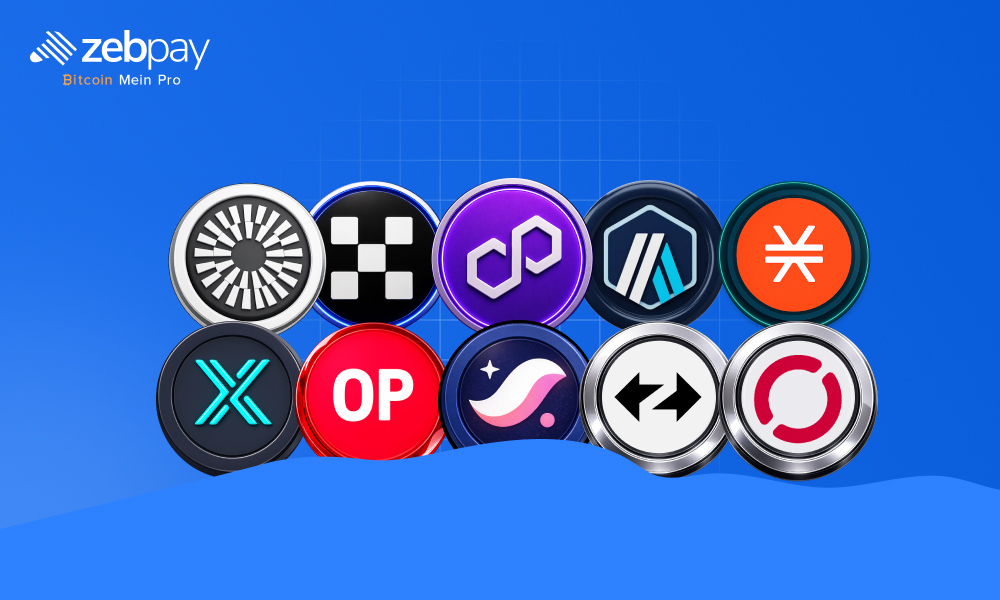
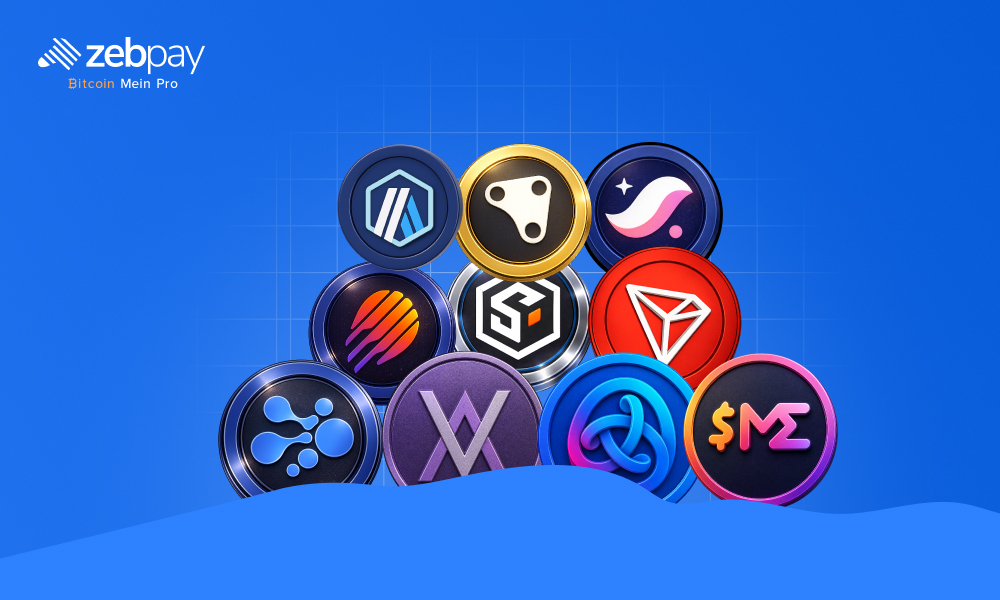
Top 10 Popular dApp Tokens
| Token Name | Current Price | Market Capitalization | 24-Hour Volume |
| Arbitrum (ARB) | $0.1852 | $1.25 billion | $160.11 million |
| Velvet (VELVET) | $0.07028 | $32.60 million | $3.01 million |
| Kite (KITE) | $0.1343 | $346.62 million | $24.11 million |
| Starknet (STRK) | $0.07906 | $586.79 million | $181.45 million |
| Meteora (MET) | $0.3715 | $204.75 million | $52.57 million |
| TronBank (TBK) | $0.1880 | $34.84 million | $144.75K |
| SoSoValue (SOSO) | $0.3047 | $104.26 million | $3.68 million |
| aelf (ELF) | $0.06725 | $55.73 million | $1.63 million |
| Astar (ASTR) | $0.006369 | $55.94 million | $1.22 million |
| Magic Eden (ME) | $0.06589 | $39.25 million | $136.55 million |
Note: This list has been made based on internal research and should not be taken as investment advice. Investors should do their thorough research before buying or selling crypto assets.
Arbitrum (ARB)
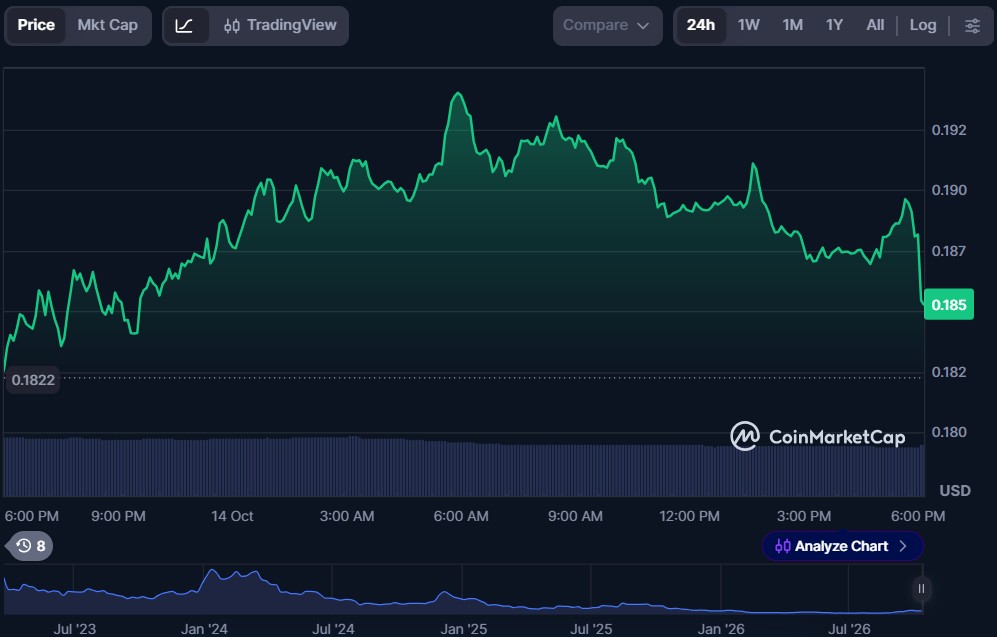
Arbitrum is a decentralised Layer-2 scaling solution built on top of the Ethereum blockchain that aims to improve transaction speed and reduce gas costs for users and developers. It leverages smart contracts to enable faster and more efficient Ethereum activity, making it easier to build and interact with decentralised applications. The ecosystem also supports a growing number of DeFi protocols, NFTs, and other on-chain services that benefit from lower fees and higher throughput. ARB is the platform’s native governance token. Holders can participate in decision-making through the Arbitrum DAO and influence upgrades, treasury allocation, and ecosystem incentives.
Also Read: What is Decentralised Finance (DeFi)
Velvet (VELVET)
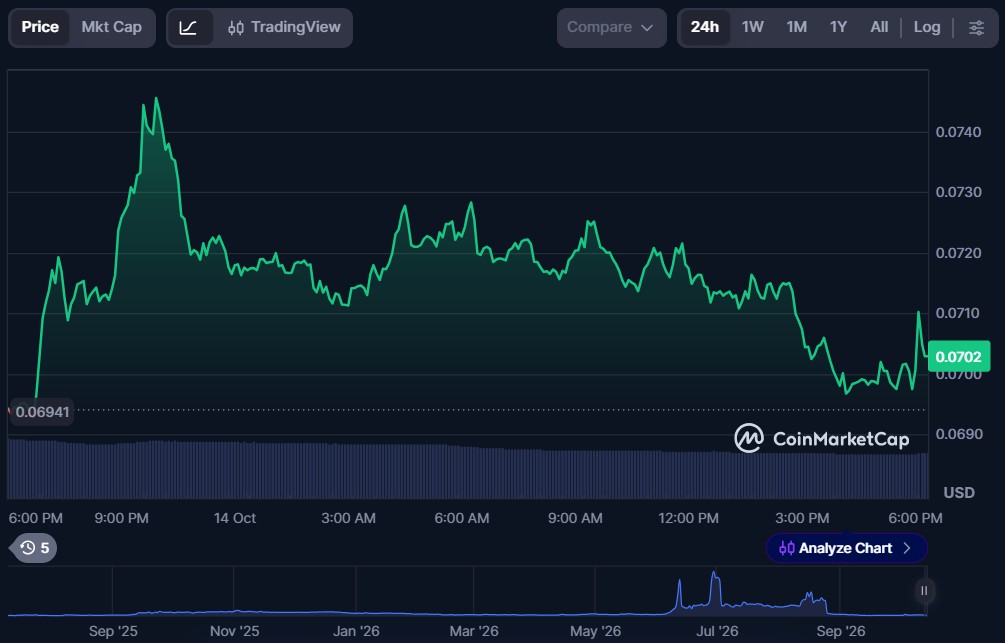
Velvet (VELVET) is the native utility and governance token of Velvet Capital, a DeFAI (DeFi + AI) ecosystem designed to simplify on-chain trading and portfolio management. The platform combines AI-powered research, automated trading tools, and cross-chain execution to help users navigate decentralized finance more efficiently. VELVET holders can participate in governance, earn staking-related benefits, and access fee discounts within the ecosystem. The token also plays a key role in sharing platform value with long-term participants through its VELVET staking model.
Kite (KITE)
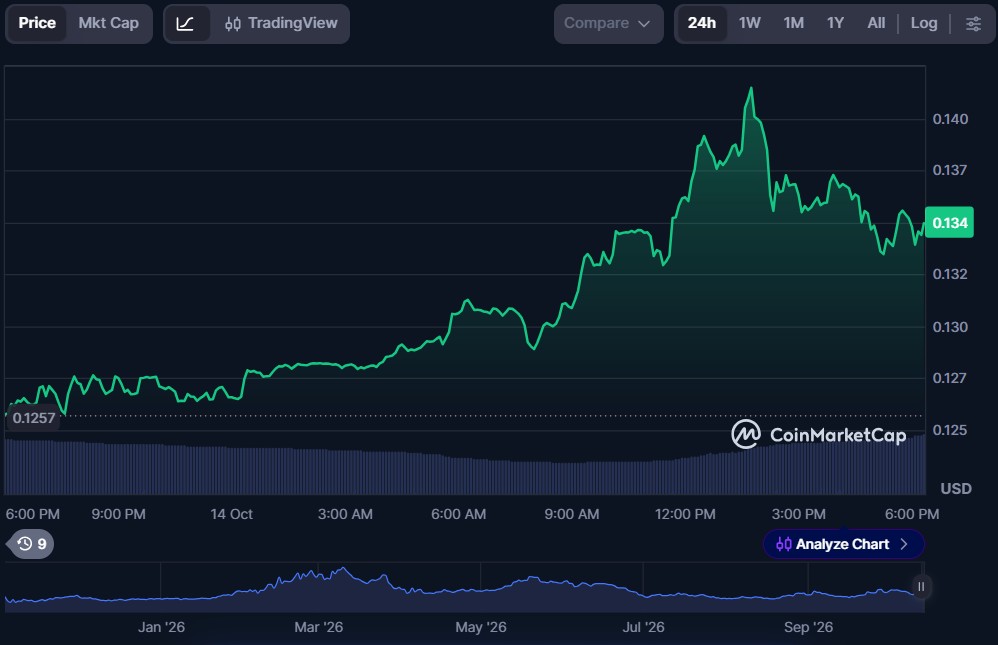
Kite is a decentralised blockchain project that operates on an EVM-compatible Layer-1 network designed for autonomous AI-powered agent interactions. It uses smart contracts to enable fast, low-cost transactions and on-chain identity and governance for AI applications, opening up new possibilities for digital payments and programmable workflows. The platform’s modular ecosystem supports developers building autonomous services that interact seamlessly with the network. KITE is the native token of the Kite blockchain. It supports network incentives, governance participation, and ecosystem engagement, with plans to expand its utility as the protocol evolves.
Starknet (STRK)
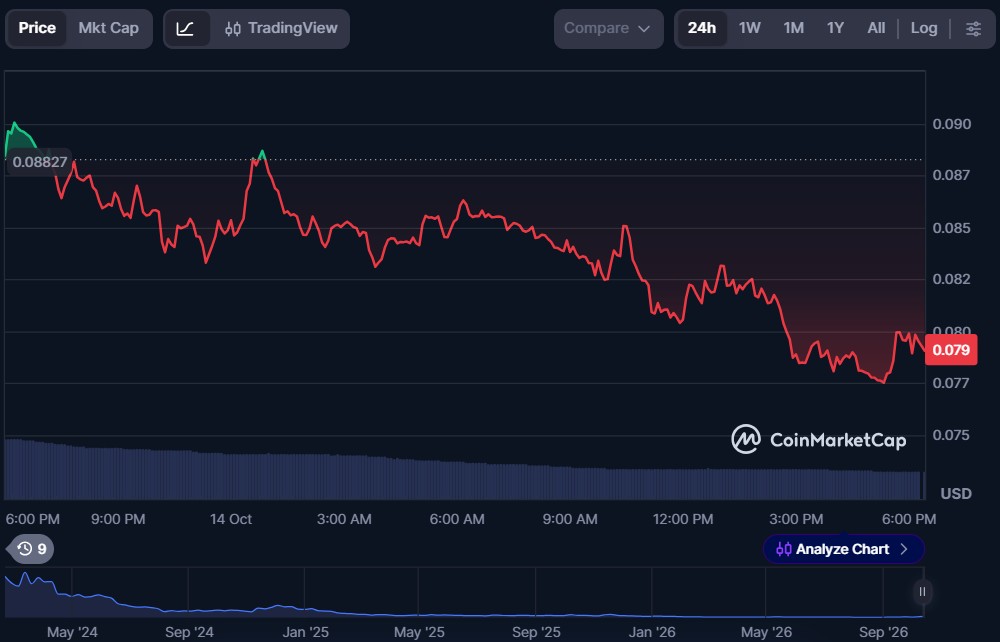
Starknet is a decentralised Ethereum scaling protocol that uses zero-knowledge proofs (zk-rollups) to increase transaction throughput while maintaining high security and low fees. The smart contracts on Starknet enable a wide range of applications, from DeFi to NFTs, with improved scalability compared to Ethereum mainnet execution. Its architecture helps developers launch more efficient dApps without compromising on decentralisation. STRK is the protocol’s native token. It is used for governance and can be staked to support network security and participate in decision-making processes within the Starknet ecosystem.
Also Read: Play to Earn vs Move to Earn
Meteora (MET)
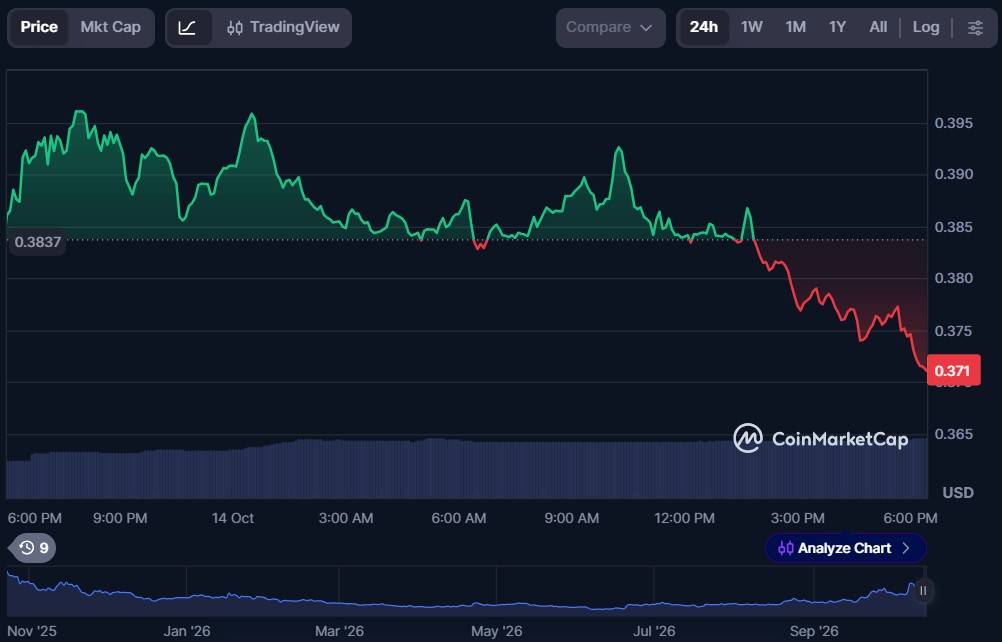
Meteora is a decentralised liquidity protocol built on the Solana blockchain that focuses on improving how liquidity is provided and managed across DeFi applications. It employs smart contracts and novel liquidity-optimization tools like dynamic liquidity market makers to reduce slippage and enhance capital efficiency for traders and liquidity providers. The platform also supports fair token launches and yield-generating opportunities. MET is Meteora’s native token. It offers governance rights, staking incentives, and rewards for liquidity participation, helping drive growth within the Solana DeFi ecosystem.
Also Read: Top 5 Cryptos by Market Capitalization
TronBank (TBK)
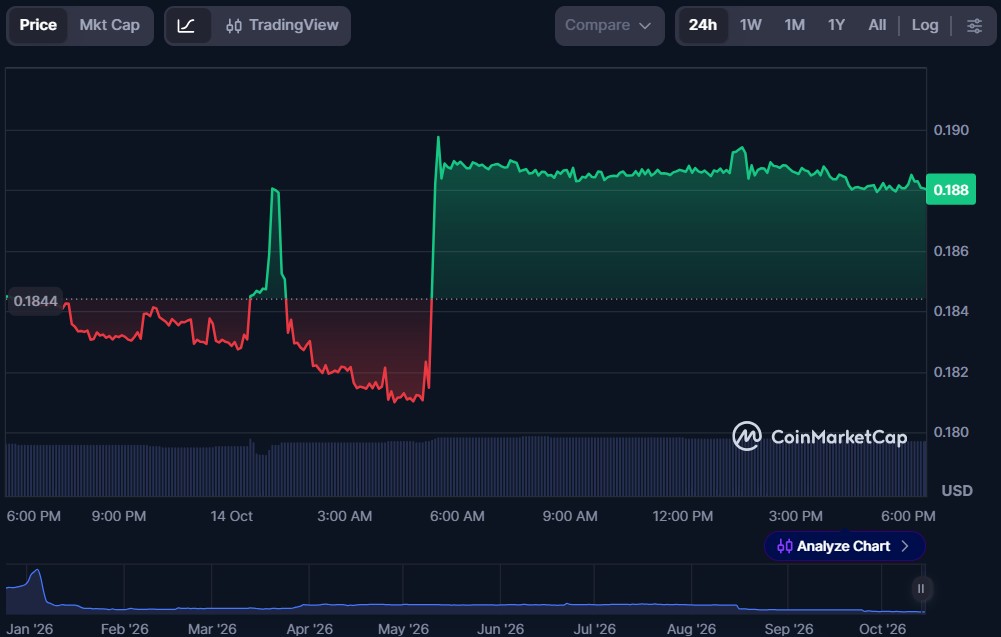
TronBank (TBK) is the native token of the TronBank ecosystem, a decentralized finance (DeFi) platform operating on the TRON network. It is designed to support services such as TRX staking and energy rentals, allowing users to optimize transaction costs while earning rewards from their holdings. TBK plays a key role in the platform’s governance and value-capture mechanisms, with a portion of ecosystem revenue allocated toward token buybacks and burns. The protocol also leverages AI-powered tools to enhance resource allocation and improve overall efficiency within the TRON ecosystem.
SoSoValue (SOSO)
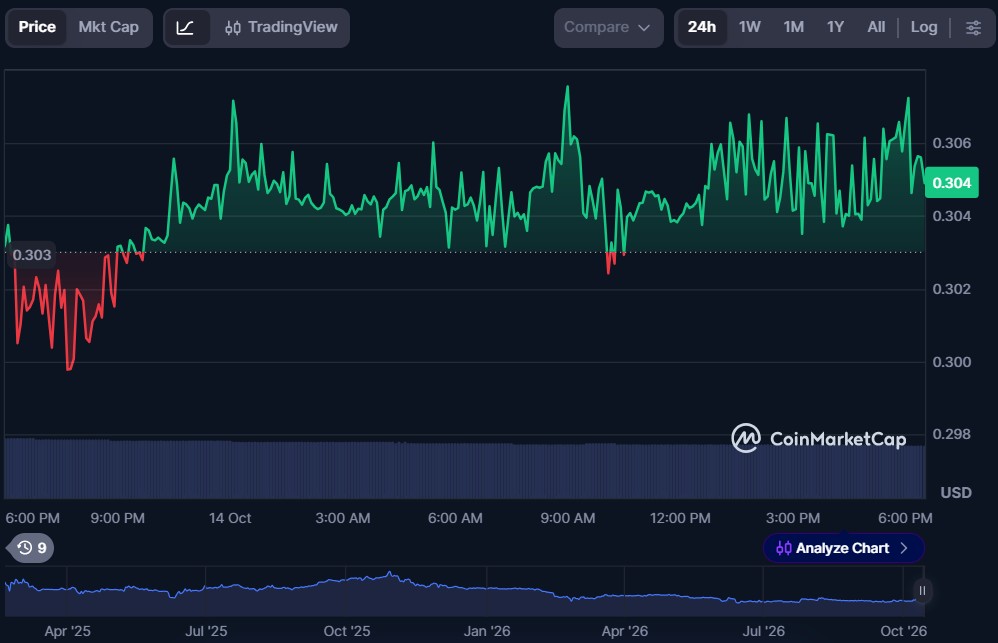
SoSoValue is a decentralised token integrated with blockchain-based applications designed to deliver value through community-driven engagement and utility-centric features. The ecosystem often rewards active participants and token holders by enabling them to interact with various DeFi functions, loyalty incentives, and potential staking or reward mechanisms that foster long-term involvement. SOSO serves as the native token for the SoSoValue platform, granting holders access to governance cues, ecosystem incentives, and potential participation in network-related reward programs that support community growth.
Also Read: MP Raghav Chadha Voices Support for Crypto
aelf (ELF)
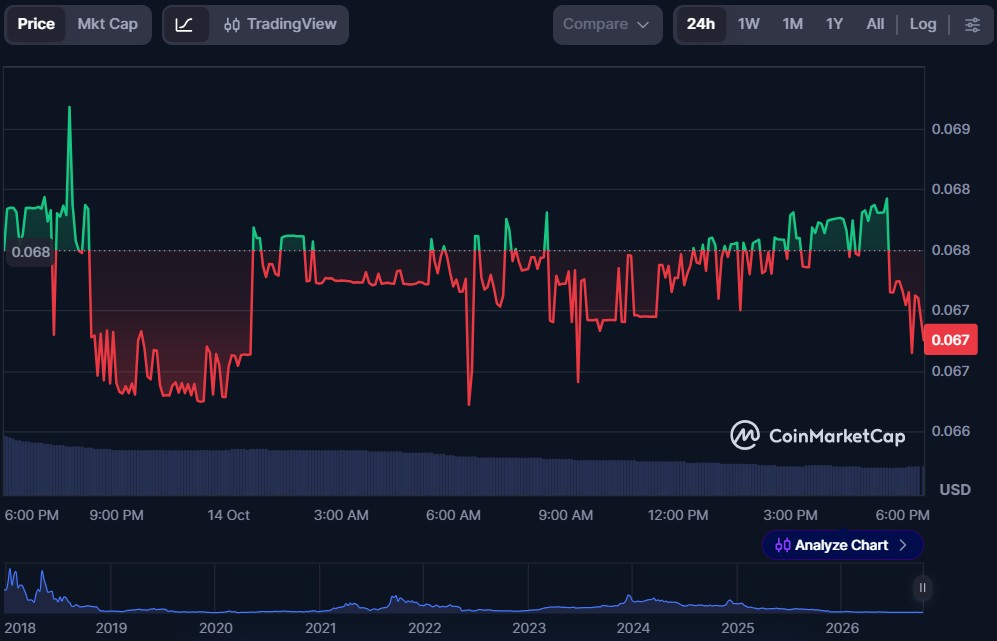
Aelf is a decentralised cloud computing blockchain network designed to support high-performance smart contracts and enterprise-grade dApps. Its modular architecture allows parallel processing and scalable infrastructure, enabling efficient transaction settlement and flexible deployment for developers building on its platform. ELF is the native utility and governance token of the network. It helps secure the ecosystem, supports staking rewards, and allows token holders to participate in governance decisions on protocol upgrades and funding directions.
Also Read: USDT vs. USDC
Aster (ASTR)
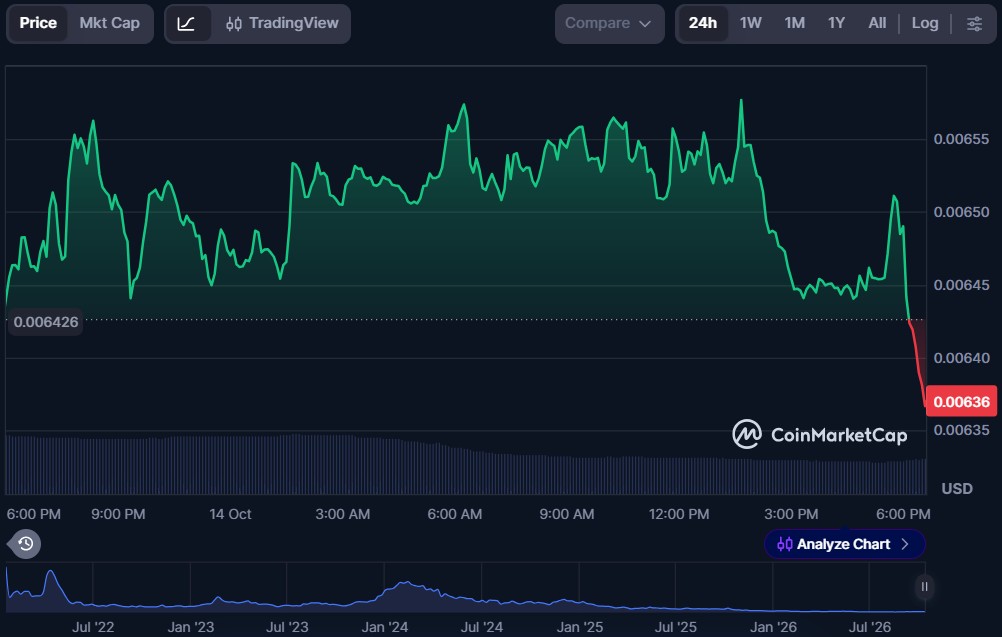
Astar is a multi-chain blockchain platform built to support scalable decentralised applications (dApps) and smart contracts across different blockchain ecosystems. Compatible with both the Ethereum Virtual Machine (EVM) and WebAssembly (WASM), it provides developers with the flexibility to build and deploy applications using multiple programming environments. ASTR is the network’s native utility and governance token, used to pay transaction fees, participate in on-chain governance, and support dApps through Astar’s dApp Staking mechanism. Token holders can also vote on protocol proposals, helping shape the future development and direction of the ecosystem.
Magic Eden (ME)
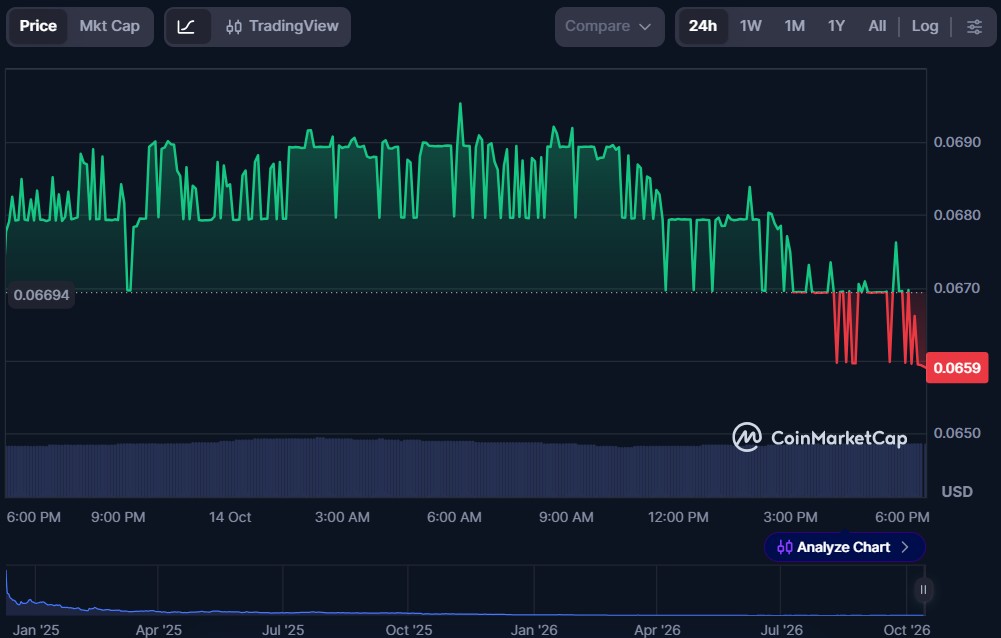
Magic Eden is a digital asset platform that allows users to discover, mint, buy, and sell NFTs and other on-chain assets. Originally launched on the Solana blockchain, it has since expanded into a broader multi-chain ecosystem, offering launchpad services, trading infrastructure, and developer tools that simplify digital asset creation and marketplace integration. ME is the platform’s native utility and governance token, enabling holders to participate in staking, earn ecosystem rewards, and vote on governance proposals. It plays a key role in supporting user engagement and powering activities across Magic Eden’s digital asset ecosystem.
Conclusion
The growth of decentralised applications is expanding the role of blockchain beyond digital assets and into everyday digital services. By combining distributed networks with smart contracts, dApps can support interactions without depending entirely on centralised intermediaries. Their presence across DeFi, NFT marketplaces, blockchain gaming, and blockchain scaling solutions highlights the range of applications that can be built around decentralised infrastructure.
For anyone exploring Web3, understanding the technology behind dApps is just as important as knowing what individual applications offer. Their functionality, token economics, adoption, and associated risks can vary significantly from one project to another. Developing this understanding can help users assess different dApps more effectively and approach the evolving decentralised ecosystem with greater awareness.
In the grand scheme of things, ZebPay blogs are here to provide you with crypto wisdom. Get started today and join 6 million+ registered users to explore endless features on ZebPay!
FAQs on Decentralised Applications (dApps)
What are decentralised applications (dApps)?
Decentralised applications, or dApps, are applications built on blockchain networks that operate without a central authority. They use smart contracts to function autonomously and allow users to interact directly with the platform in a transparent and permissionless manner.
How are dApps different from traditional applications?
Unlike traditional apps that are controlled by a single company and run on central servers, dApps operate on distributed blockchain networks. This means users retain greater control over their data, and the application’s rules are enforced by code rather than a central organisation.
What role do smart contracts play in dApps?
Smart contracts are self-executing programs stored on the blockchain that automate processes such as transactions, governance, and rewards. They ensure that dApps function securely and transparently without manual intervention or intermediaries.
What types of dApps exist today?
DApps span a wide range of use cases, including decentralised finance (DeFi), NFT marketplaces, gaming, social platforms, and infrastructure solutions. Each category uses blockchain technology to offer features that are not easily achievable with traditional applications.
Do I need a crypto asset to use dApps?
Most dApps require users to hold crypto to pay network fees and interact with smart contracts. Depending on the blockchain, this could involve tokens such as ETH, BNB, or others used for transactions and platform-specific activities.
Are dApps safe to use?
While dApps offer strong security through blockchain technology, they are only as safe as the smart contracts they rely on. Users should always research the platform, understand the risks, and follow best practices such as using trusted wallets and verified applications.