

The way we access, use, and participate in financial markets is changing. Blockchain technology is playing an increasingly important role in that shift, bringing a growing range of crypto assets into the financial landscape. Bitcoin and Ethereum continue to anchor the ecosystem, while stablecoins, DeFi tokens, and other digital assets are expanding the ways blockchain can be used across payments, investing, financial services, and digital ownership.
Yet, the crypto ecosystem is far from uniform. Different assets are built for different purposes, from facilitating transactions and maintaining price stability to powering decentralised applications and financial protocols. Understanding these distinctions is essential to making sense of how the ecosystem works and where each type of asset fits within it.
This guide takes a closer look at the major types of crypto assets in 2026, what sets them apart, how they work, and the role they play in the broader digital economy. Whether you are exploring crypto for the first time or looking to build a stronger foundation, it provides a straightforward way to understand the assets shaping the next phase of digital finance.
Introduction to Crypto
Crypto tokens are becoming a core part of the digital ecosystems built on blockchain. Their role now extends far beyond simply representing a digital asset. Depending on how they are designed, tokens can enable peer-to-peer transactions, reward participation, facilitate community governance, or provide access to products and features within a platform. Blockchain provides the underlying infrastructure, recording transactions on a shared ledger and using smart contracts to execute predefined rules without relying on a central authority.
These capabilities are opening up new models of participation across areas such as gaming, digital ownership, online communities, and decentralised applications. Instead of being passive users, participants can contribute to platforms, help shape their development, and in some cases receive incentives or digital rights in return. As these ecosystems mature, tokens are becoming a mechanism for connecting participation with value, creating digital economies where users can play a more active role in the platforms and communities they are part of.
Also Read: Crypto 2025 Recap: Top 7 Events That Shaped the Year!
Top 10 Crypto Assets
| Coin Name | Current Price | Market Capitalization | 24-Hour Volume |
| Bitcoin (BTC) | $83,757.62 | $1.68 trillion | $15.31 billion |
| Ethereum (ETH) | $2,555.17 | $312.06 billion | $8.62 billion |
| BNB (BNB) | $751.56 | $100.07 billion | $1.09 billion |
| XRP (XRP) | $1.41 | $89.03 billion | $1.31 billion |
| Solana (SOL) | $112.51 | $66.27 billion | $2.01 billion |
| TRON (TRX) | $0.3320 | $31.54 billion | $353.43 million |
| Zcash (ZEC) | $1,334.14 | $22.57 billion | $992.04 million |
| Hyperliquid (HYPE) | $87.55 | $22.25 billion | $475.38 million |
| Dogecoin (DOGE) | $0.08743 | $15.06 billion | $526.06 million |
| Chainlink (LINK) | $13.41 | $10.03 billion | $228.92 million |
Note: This list has been made based on internal research and should not be taken as investment advice. Investors should do their thorough research before buying or selling crypto assets.
Also Read: Is Crypto Legal in India in 2026? Legal Status, Tax Rules, RBI & More
Bitcoin (BTC)
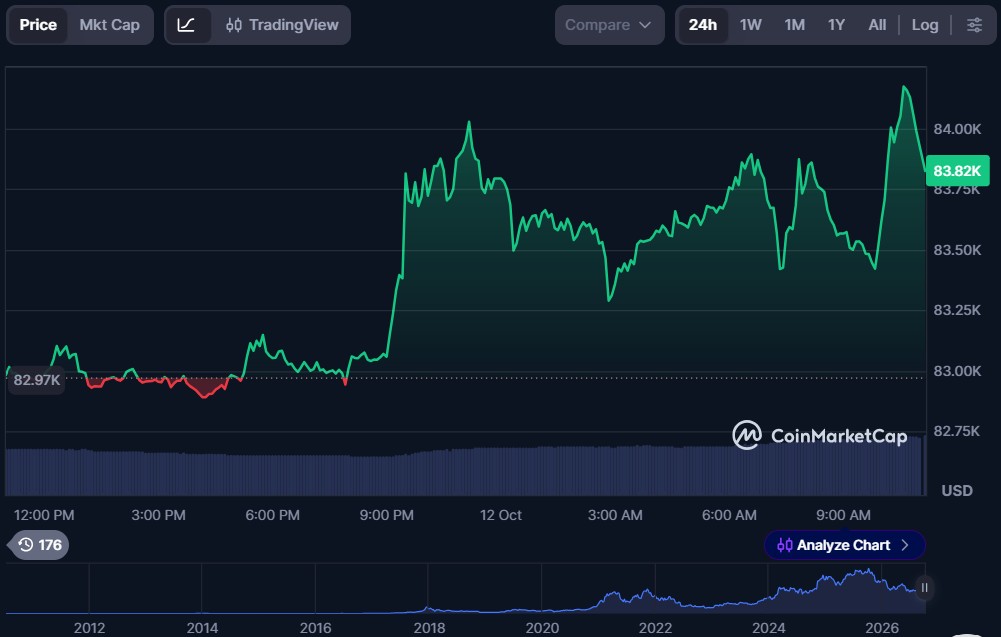
The oldest and most popular crypto token on the market, Bitcoin was the coin that started the entire crypto craze. From its humble beginnings in 2009, it has soared to unimaginable heights and gained the attention of investors, the media and businesses. The network is used as an alternative means of payment to cash and is protected through Proof of Work consensus. All transactions are stored on a blockchain, while miners can earn rewards for each block of transactions they confirm.
Pros of Bitcoin
- Most well-known token, which leads to heavy investments in the project.
- Relatively stable compared to some newer crypto tokens.
Cons of Bitcoin
- BTC operates on proof of work, which consumes a lot of electricity and requires excessive time to confirm transactions.
- As BTC acts as an index of the general crypto market, it rarely deviates from general market trends and conditions.
Ethereum (ETH)
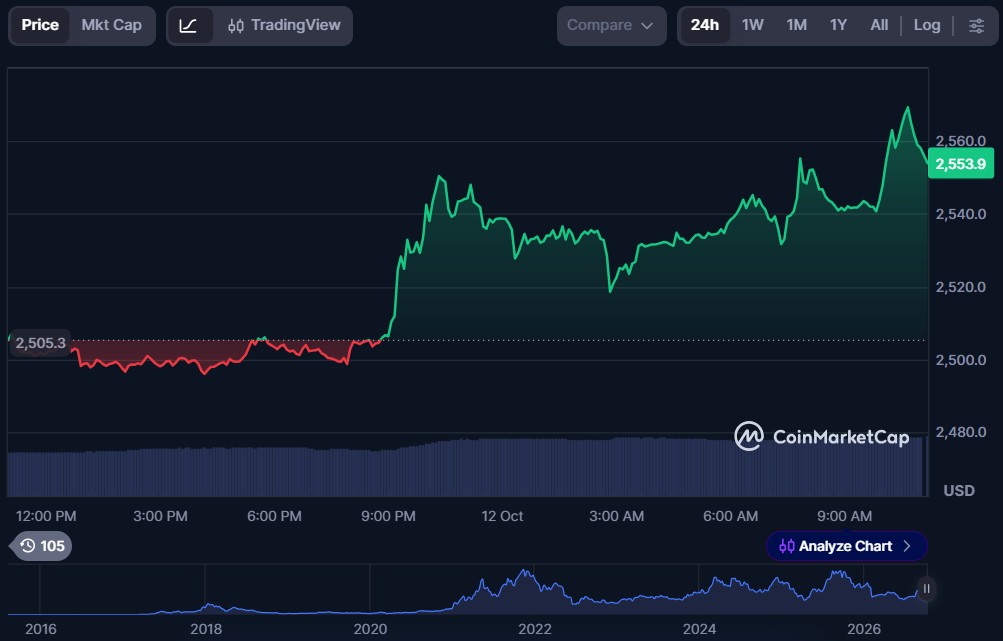
After Bitcoin, Ethereum has established itself as one of the most dominant forces in the crypto market. It was the first to introduce smart contract functionality, which enables developers to create and automate several key features we take for granted today. Ethereum is also built to provide a platform for decentralised applications and finance, becoming the leading blockchain to service this need. As the ecosystem continues to evolve, Ethereum remains the foundation upon which much of the decentralised web is being built.
Pros of Ethereum
- The largest player in the DeFi and dApp space. This gives it market dominance and requires that competitors offer much greater incentives to switch.
- Ethereum’s Proof of Stake consensus mechanism has made the blockchain highly efficient. The future upgrades are focused on increasing TPS and improving the already robust security protocols.
Cons of Ethereum
- Ethereum sometimes has high network traffic that can slow transactions down to a crawl. It must rely on scaling solutions to address the traffic on its network.
- Ethereum’s transaction costs can also skyrocket. In some cases, the fees can be higher than the value of the transaction.
BNB (BNB)
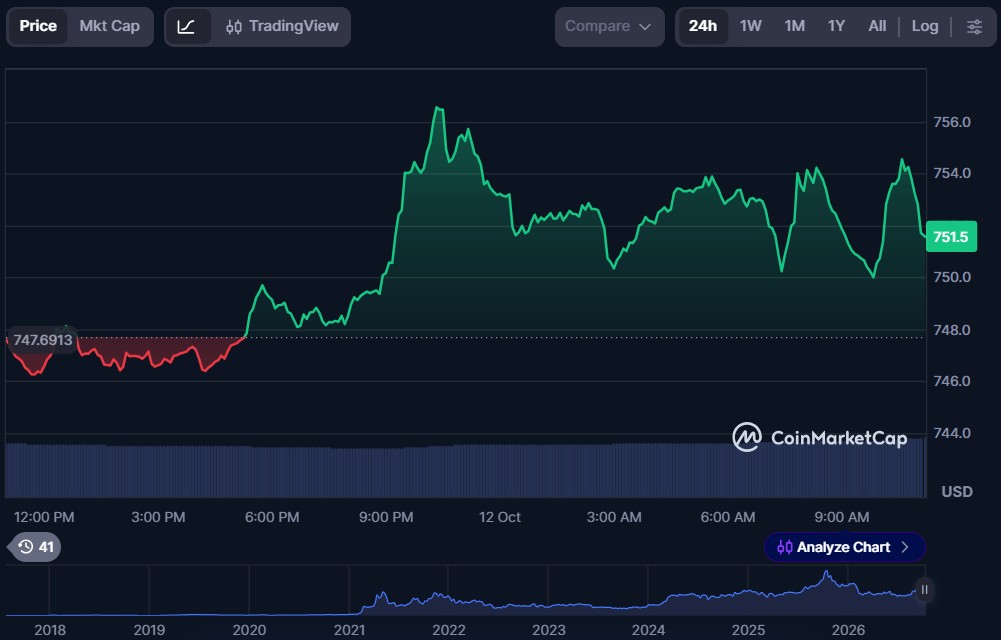
Launched in 2017, BNB has evolved from a simple token to powering its own ecosystem. At first, BNB was used to provide special benefits to users of the Binance crypto exchange, such as lower fees, exclusive access to initial coin offerings and cashback. Today, it forms the backbone of the BNB Chain ecosystem, which boasts high speed and low cost to compete with Ethereum’s dominance. It has established itself as a strong option in the market.
Pros of BNB
- Low costs and high throughput mean it can service much greater demand than many competitors.
- Owning BNB provides you benefits on the Binance exchange platform
Cons of BNB
- BNB is a highly centralized token, as it is controlled and managed by Binance. This reduces the freedom available to its community.
- BNB’s success is tied to Binance, which the regulators of several countries like the UK, Japan, and Germany have targeted.
XRP (XRP)
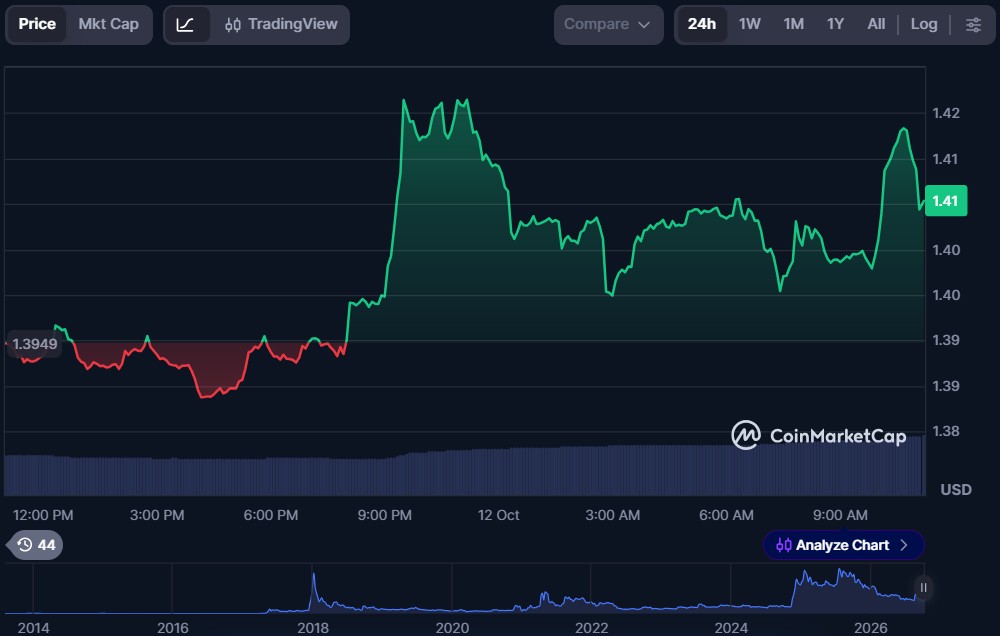
Unlike other general-purpose tokens, XRP is focused on creating payment solutions for banks and financial institutions. It solves several problems with competing systems like SWIFT for international settlements. Instead of requiring several hours or days for transfers to be finalised, XRP allows such settlements to be completed in a matter of seconds. Ripple has made traditional finance much more accessible for users through the efficient application of blockchain technology.
Also Read: What is Ripple (XRP)
Pros of XRP
- Much faster than its competitors like SWIFT.
- Expand access to banking and international settlement by lowering barriers to use.
Cons of XRP
- The network is highly centralised as all transactions are confirmed by a federated group of financial institutions.
- XRP’s adoption is closely tied to partnerships with financial institutions, which means its growth can be impacted by regulatory decisions and institutional acceptance.
Solana (SOL)
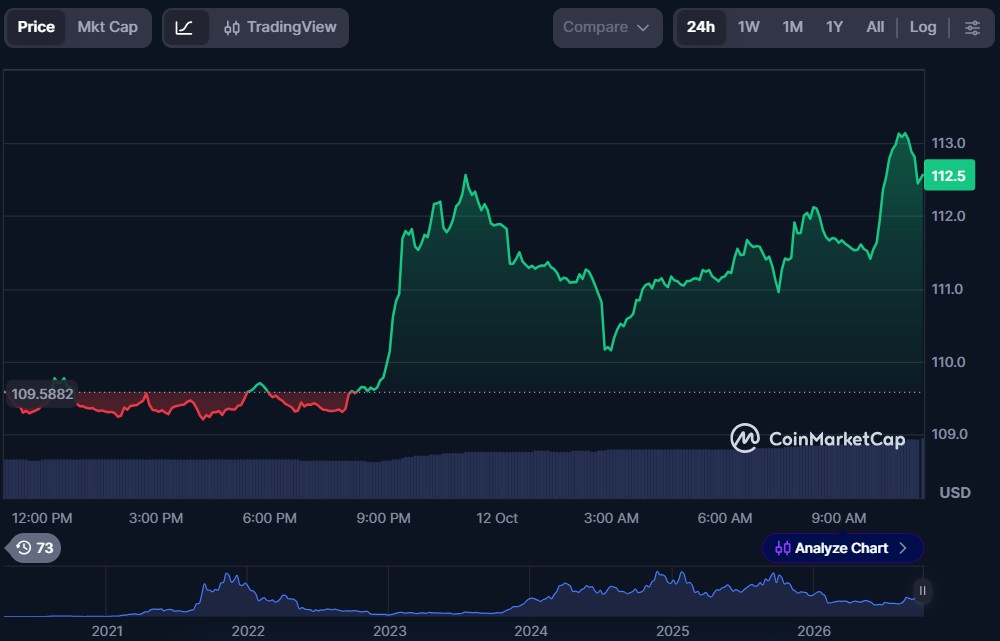
Solana is a high-performance Layer-1 blockchain designed to support decentralised applications (dApps), DeFi platforms, NFTs, and Web3 use cases at scale. It is known for its unique Proof of History (PoH) mechanism, which works alongside Proof of Stake to enable extremely fast transaction processing and low fees. This makes Solana a popular choice among developers building applications that require speed and high throughput. Solana has positioned itself as a strong alternative to other smart contract platforms by focusing on scalability without relying on complex Layer-2 solutions.
Also Read: What is Solana (SOL)
Pros of Solana
- High transaction speeds with very low fees, making it suitable for high-volume applications.
- Growing ecosystem of dApps, DeFi projects, NFTs, and developer tools.
Cons of Solana
- Past network outages have raised concerns around reliability and stability.
- Higher hardware requirements for validators, which can impact decentralisation.
TRON (TRX)
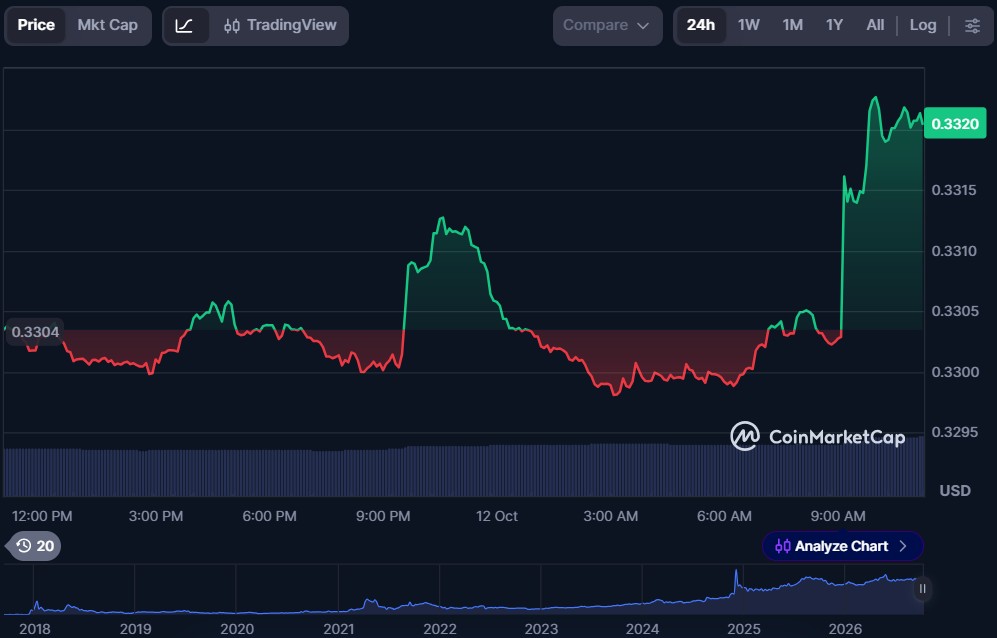
TRON (TRX) is a blockchain platform designed to decentralize the internet by enabling fast, low-cost transactions and supporting a wide range of decentralized applications (dApps). Its focus on scalability and efficiency has made it a popular choice for developers and users alike. TRON has also emerged as one of the largest networks for stablecoin transfers, particularly USDT, processing billions of dollars in transactions daily. This combination of speed, low fees, and high throughput makes it one of the most actively used blockchains in the world today.
Pros of TRON
- TRON offers fast, low-cost transactions suitable for high-volume decentralized applications.
- Its expanding ecosystem supports diverse use cases, including DeFi, NFTs, and gaming.
Cons of TRON
- The network faces criticism for being more centralized than other major blockchains.
- Ongoing regulatory scrutiny and leadership controversies may affect its long-term perception.
Zcash (ZEC)
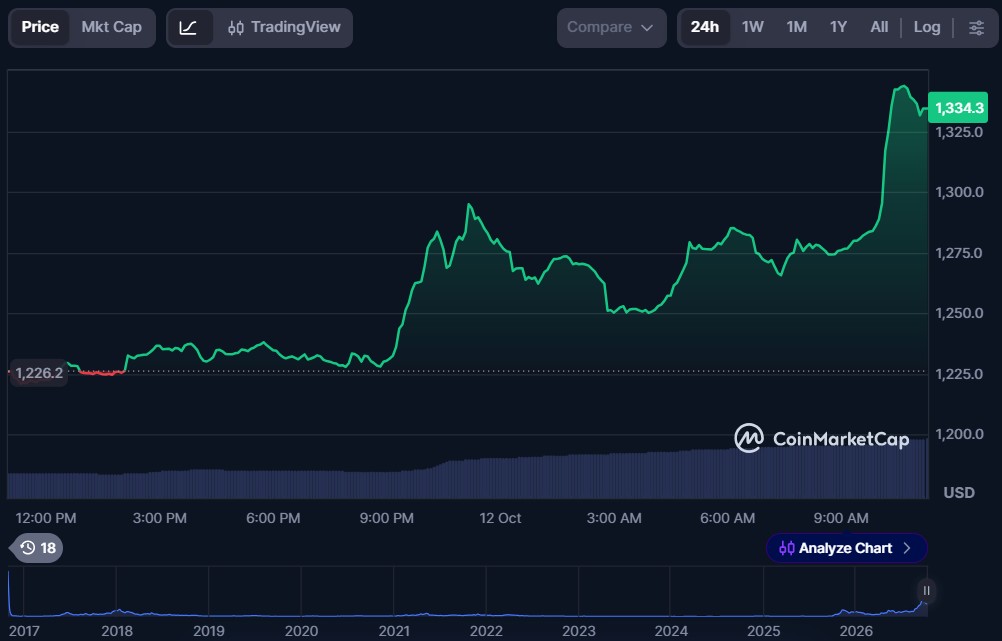
Zcash (ZEC) is a crypto asset designed to give users greater control over the privacy of their transactions. Introduced in 2016, it leverages zero-knowledge proof technology to secure transaction data while preserving the integrity of the blockchain. Users can choose whether to keep transaction details private or make them publicly visible, depending on their needs. This emphasis on privacy and user choice has helped Zcash establish itself as one of the leading privacy-focused digital assets.
Pros of Zcash
- Strong transaction privacy features.
- Optional transparency supports regulatory compliance.
Cons of Zcash
- Privacy features face regulatory scrutiny.
- Lower adoption compared to major crypto assets.
Hyperliquid (HYPE)
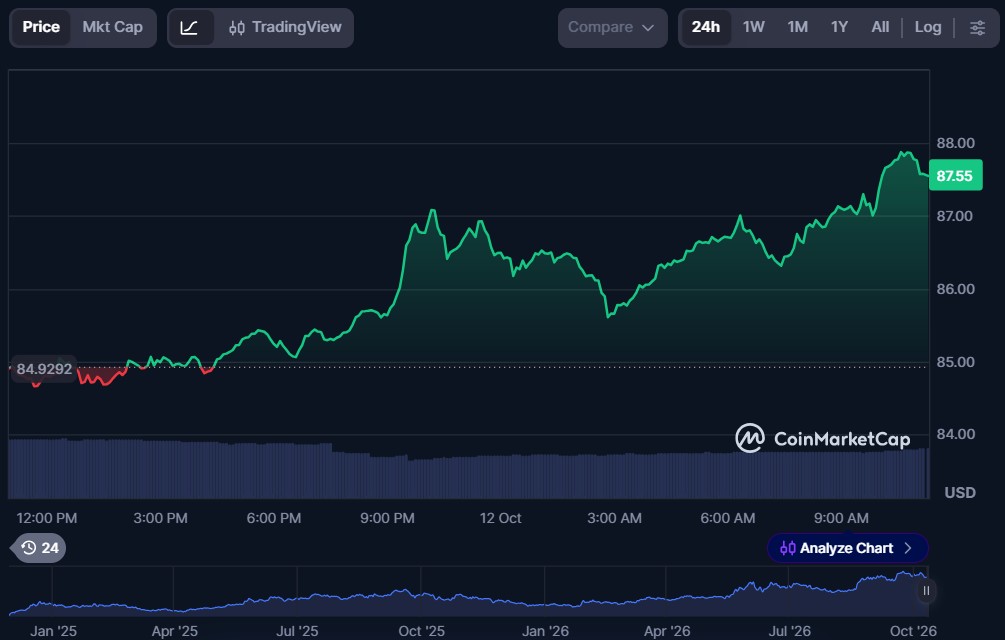
Hyperliquid (HYPE) is a purpose-built Layer 1 blockchain focused on delivering a seamless decentralized trading experience, especially for perpetual futures and spot markets. It aims to replicate the speed and efficiency of centralized exchanges while retaining the transparency and self-custody advantages of DeFi, creating a fully on-chain trading environment. The HYPE token supports the ecosystem through functions like staking, governance, and fee usage, while also being reinforced by a buyback and burn model linked to the platform’s revenue.
Also Read: Top 10 DeFi Tokens to Invest in 2026
Pros of Hyperliquid
- High-performance infrastructure designed for fast and efficient trading.
Token utility strengthened by revenue-linked buyback and burn mechanism.
Cons of Hyperliquid
- Primarily caters to experienced traders rather than beginners.
- Adoption is closely dependent on overall trading volume and market activity.
Dogecoin (DOGE)
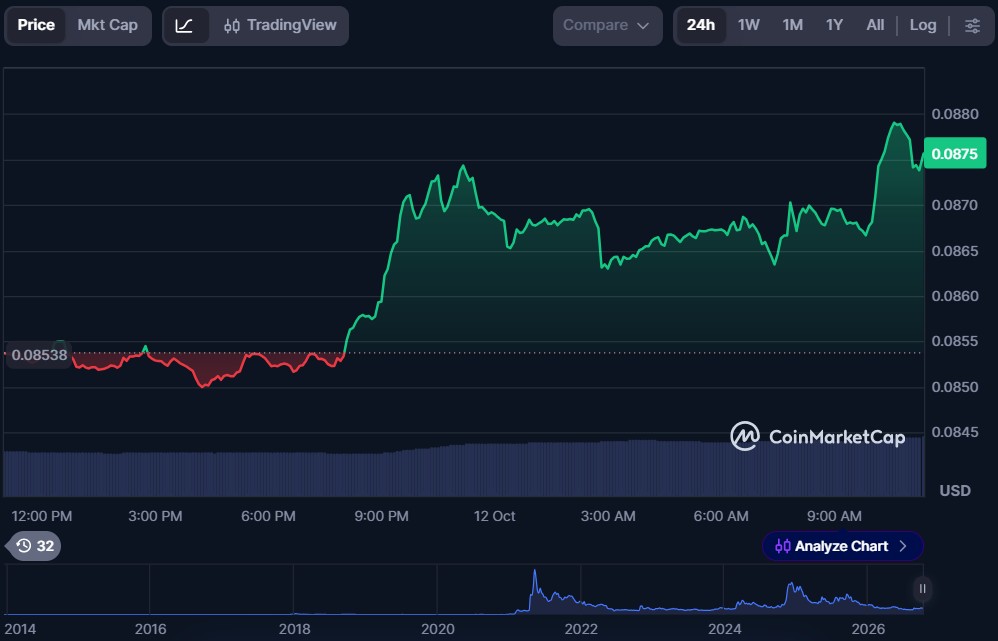
Dogecoin is one of the most popular tokens among investors. Initially started as a joke on Bitcoin, it became an internet sensation that garnered a passionate and active community. Its unique value is that it is based on the popular “Doge” meme. The project has been endorsed by several figures in the crypto community and celebrities like Elon Musk and Vitalik Buterin. It is important to note that Dogecoin is a memecoin and does not have intrinsic value, except for a strong community. Investors should conduct thorough due diligence before deciding to invest in memecoins.
Pros of Dogecoin
- The unique value proposition of a memecoin that has sustained its power in the market.
- Active community working for the token’s success.
Cons of Dogecoin
- No practical application, value is only based on a meme.
- There is no cap on the total supply of DOGE, which leads to inflation in the token.
Chainlink (LINK)
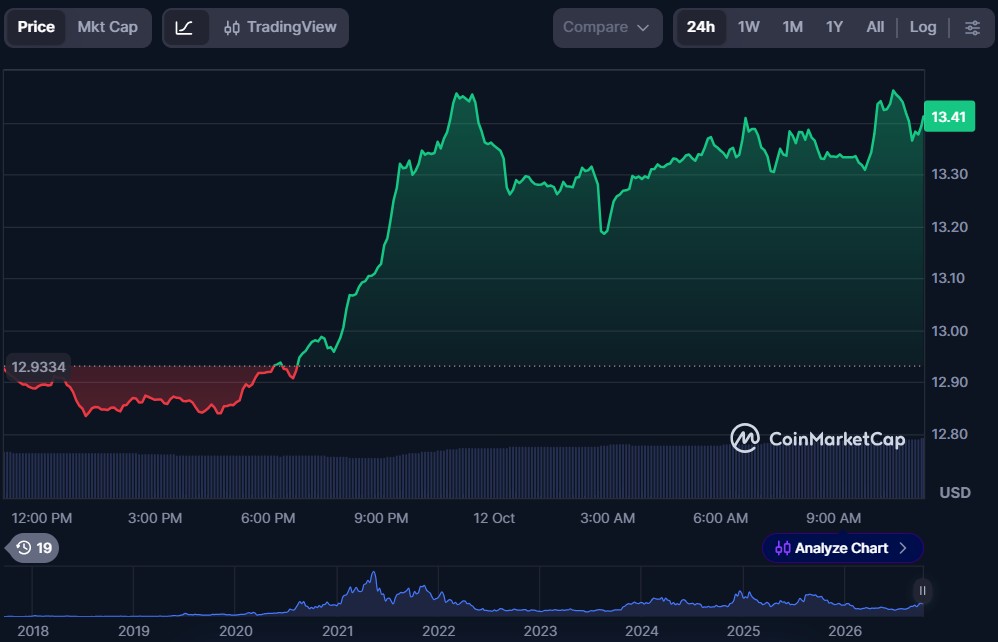
Chainlink is a decentralised blockchain oracle network designed to connect smart contracts with reliable data and information from outside the blockchain. Launched in 2017, the network enables smart contracts to access real-world data, including market prices, weather information, and other external inputs. LINK, its native token, is used to pay for services within the network and incentivise participants who help provide and secure data. By bridging blockchain networks with external information, Chainlink has become an important part of the infrastructure supporting DeFi and other Web3 applications.
Pros of Stellar
- Provides reliable real-world data to smart contracts.
- Widely integrated across DeFi and Web3 applications.
Cons of Stellar
- Depends on the quality and reliability of external data sources.
- Faces competition from other oracle networks.
Also Read: Matt Hougan Signals Bullish Outlook for Crypto in 2026
Conclusion
The crypto market in 2026 spans a broad range of digital assets, from well-established networks with significant market presence to newer blockchain projects focused on developing innovative applications. For those new to the space, established assets such as Bitcoin and Ethereum can offer a more accessible entry point for understanding how the crypto ecosystem works. At the same time, more experienced participants may explore emerging projects working across areas such as DeFi, tokenised real-world assets, AI-powered protocols, and next-generation blockchain infrastructure.
The interaction between established networks and emerging technologies continues to shape a diverse and evolving crypto ecosystem. This combination attracts investors, developers, and builders seeking to understand the opportunities available today while keeping pace with innovations that could influence the future direction of blockchain and digital assets.
Just like pineapple on pizza, ZebPay blogs offer a unique twist on crypto insights. Learn more and start your journey with millions on ZebPay!
FAQs on Top 10 Cryptos
How much should I invest when I start?
It depends on your risk appetite and overall financial situation. As a general guideline, only invest money you’re comfortable losing. Most beginners start with a small, fixed amount and gradually increase their investment as they gain confidence and experience.
What makes Bitcoin still a strong investment in 2026?
Bitcoin remains one of the most trusted crypto assets thanks to its fixed supply of 21 million, increased institutional adoption, and its role as a store of value. Despite its volatility, it continues to be regarded as digital gold.
Which crypto asset should I invest in right now?
Investors often focus on strong, established assets like Bitcoin, Ethereum, BAT, and other reliable high-utility altcoins. The ideal choice ultimately depends on your risk tolerance, time horizon, and overall investment approach—there’s no single coin that suits everyone.
What risks should I consider when investing in altcoins?
Altcoins could come with risks, including:
– High volatility compared to Bitcoin
– Smart contract vulnerabilities
– Regulatory uncertainty across different countries
– Low adoption risk if the project fails to scale
Diversifying across multiple projects can help reduce overall exposure.
How is ROI calculated for crypto assets?
ROI = (Current Value − Initial Investment) ÷ Initial Investment.
If you earn staking rewards or yields, include those amounts in the current value to get a more accurate ROI calculation.
How do crypto prices typically react to macroeconomic events (e.g., inflation, regulation) in 2026?
Crypto markets tend to react sharply to major macro events. Rising inflation or interest rate changes often drive investors toward Bitcoin as a hedge. On the other hand, tougher regulations or new tax policies can lead to short-term market pullbacks.
How can I start investing in crypto?
Begin by learning the basics of blockchain and how crypto assets work. Choose a reliable exchange, start with a small amount, and approach investing with a long-term perspective. Use strategies like rupee-cost averaging (RCA) can help manage risk and smooth out market volatility.
What are the tax implications of buying, holding, and selling crypto assets in India?
In India (2026):
– 30% tax on profits
– 1% TDS on each trade
– No deductions allowed other than the cost of acquisition
Investors should use exchange-generated reports for accurate filing and stay updated with the latest CBDT guidelines.
How to assess whether a crypto project has long-term utility versus just hype?
Look for:
– Real, practical use cases
– Strong and consistent developer activity
– Adoption or integration by businesses
– Clear and transparent tokenomics
– Independent third-party audits
Projects with active ecosystems and genuine adoption generally have a better chance of long-term success.
How can I stay safe and protect my crypto investments from fraud, hacks, or regulatory risk?
Best practices:
– Use hardware wallets or other secure storage options
– Enable 2FA on all exchange accounts
– Avoid suspicious links, messages, and phishing scams
– Trade only on regulated and reputable exchanges like ZebPay
– Stay updated on local regulations and compliance requirements